
- India,
- 27-May-2026 11:15 PM IST



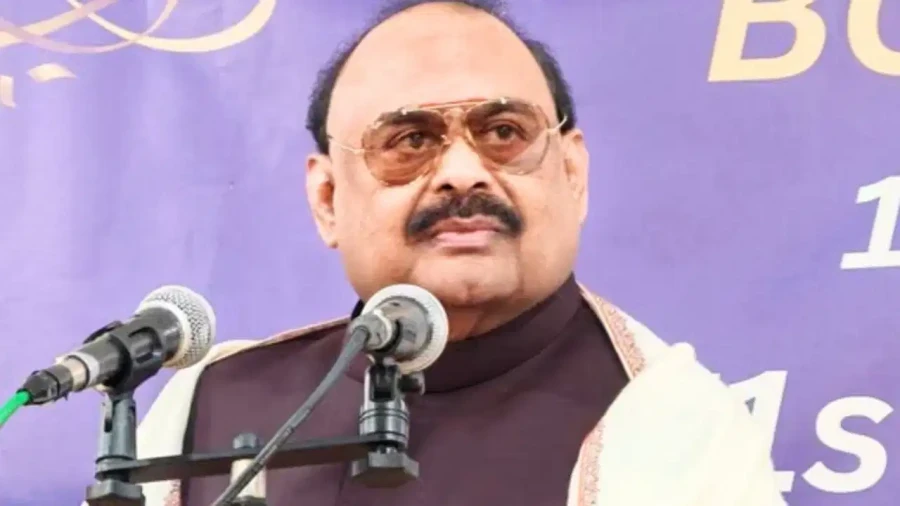
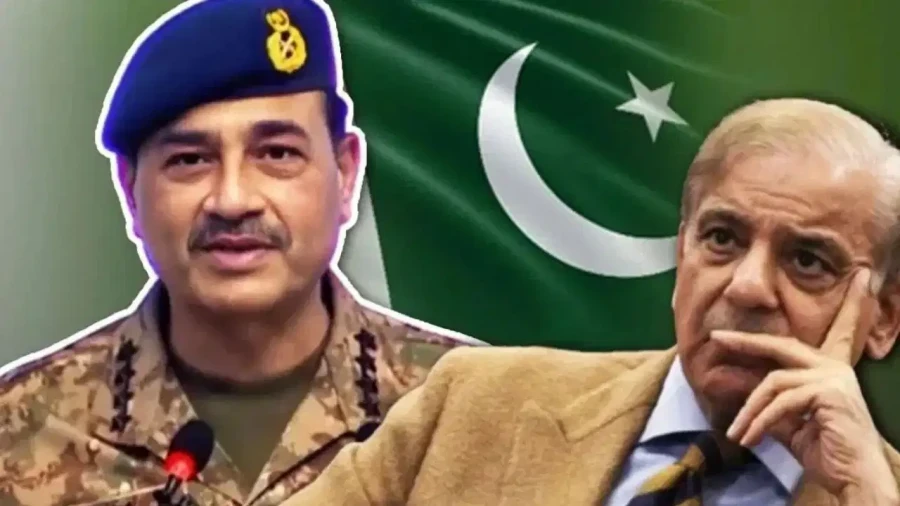
In a significant escalation of internal tension within Pakistan, Saifullah Kasuri, the Deputy Chief of the terrorist organization Lashkar e Taiba, has issued an open and direct threat to the country's top political and military leadership. This development has sent shockwaves through the Pakistani establishment, highlighting the growing defiance of militant groups against the state, while kasuri specifically targeted Pakistan Army Chief General Asim Munir and Prime Minister Shehbaz Sharif, warning them of dire consequences if any steps are taken toward establishing or supporting diplomatic ties with Israel.
The Nature of the Threat
The warning issued by Saifullah Kasuri was explicit and violent, while he stated that if any Pakistani leader attempts to provide support to Israel or move toward normalization of relations, they would be killed, destroyed, and ruined. This aggressive stance comes at a time when there have been various internal discussions and speculations within Pakistan regarding its foreign policy direction and potential shifts in its long standing position on Israel. The threat from the LeT deputy chief serves as a clear indicator that radical and jihadist organizations continue to wield significant influence and are willing to challenge the highest offices of the land.
Context of the Abraham Accords and Trump's Demand
The timing of this threat is closely linked to recent international developments, specifically the pressure from the United States. Former US President Donald Trump recently made a public demand for Pakistan to normalize its relations with Israel and sign the Abraham Accords. In a detailed post on Truth Social, Trump linked any potential peace agreement with Iran to the expansion of the Abraham Accords. He called upon several Muslim majority nations, including Saudi Arabia, Qatar, Pakistan, Turkey, Egypt, and Jordan, to formally recognize Israel and join the accords, while while the Pakistani government has officially rejected this demand, stating it won't normalize ties with Israel, the mere suggestion has triggered a violent reaction from militant factions within the country.
Internal Security Challenges for Pakistan
This situation presents a major headache for the Pakistani government and its security apparatus. It underscores a dangerous trend where terrorist organizations, which were historically nurtured or utilized by the state and its intelligence agencies, are now turning against their own creators. The political and military leadership now finds itself being openly threatened by the very elements that have long been part of the country's complex internal security dynamic. Following incidents like the Pahalgam attack, these Pakistani terrorist groups appear to perceive themselves as being above the government and the military, posing a grave threat to the internal security and political stability of the nation.
Pakistan's Official Stance
Despite the external pressure and the internal threats, the Pakistani government has maintained its official position. The administration has clarified that it has no intention of changing its policy toward Israel or joining the Abraham Accords at this stage. However, the threat from Saifullah Kasuri demonstrates that the government's official denials aren't enough to satisfy the radical elements who are now monitoring the leadership's every move regarding international diplomacy. The situation remains tense as the state grapples with the challenge of managing these extremist groups while navigating complex international relations.