
- India,
- 26-May-2026 03:24 PM IST



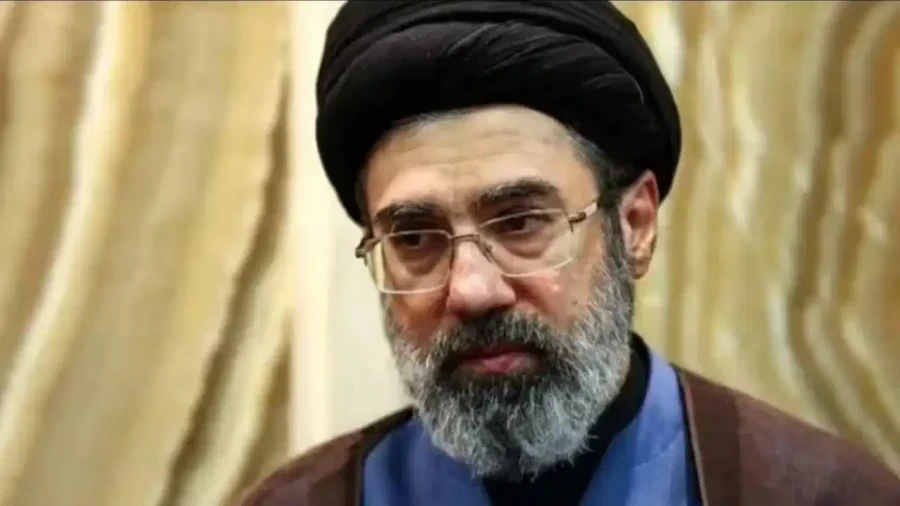
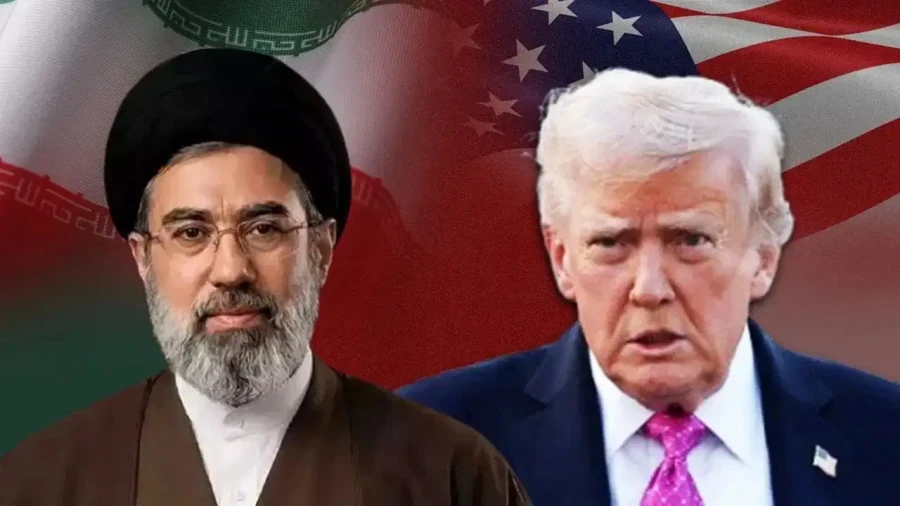
Iran's Supreme Leader Mujtaba Khamenei has issued a stern warning to the United States and its allies in the Gulf region, stating that American military bases are no longer secure. In a significant rhetorical escalation, Khamenei declared that the era of US dominance in the Middle East has come to an end, while he characterized the ongoing conflict against the United States and Israel as a definitive victory for the Islamic Resistance, suggesting that the strategic landscape of the region has fundamentally shifted. The Supreme Leader emphasized that the United States will no longer find the Middle East to be the safe haven it once was. According to Khamenei, the presence of American forces in Gulf countries is now under constant threat. This statement is particularly noteworthy as it comes during a period of intense diplomatic activity, while khamenei's message, which was released in written form via his official Telegram channel, underscores a hardline stance even as representatives from Iran and the US engage in discussions aimed at de-escalating the conflict.
Ongoing Negotiations in Doha
The timing of these remarks is critical, as Iranian officials are currently in Doha, the capital of Qatar, for high-level talks with American counterparts. The primary objective of these negotiations is to reach an agreement that could bring an end to the three-month-long war. Despite the ongoing dialogue, both Washington and Tehran have tempered expectations, indicating that a major breakthrough or a comprehensive agreement isn't expected in the immediate future. Khamenei’s rhetoric suggests that while diplomacy is on the table, Iran remains committed to its ideological and military objectives. He called for Islamic countries to come together to create a new regional framework, moving away from Western-led security structures.
The Mystery Surrounding Mujtaba Khamenei
Mujtaba Khamenei, aged 56, was appointed as the Supreme Leader of Iran on March 8. Since his ascension to the highest office in the country, he has not made any public appearances, leading to widespread speculation regarding his physical condition. Reports suggest that he may have been injured in recent attacks, and his reliance on written statements rather than televised speeches has only fueled these rumors. His leadership comes at a volatile time for Iran, as it navigates both internal transitions and external military pressures. Despite his absence from the public eye, his written directives continue to shape Iran's foreign policy and military posturing.
Recent Military Escalations and the Fragile Ceasefire
Just hours before Khamenei's statement was released, the US military conducted targeted strikes in southern Iran. These operations were aimed at missile sites and boats that were reportedly attempting to lay mines in the sea. The United States defended these actions as necessary measures to maintain regional security and protect maritime interests. These strikes have put additional strain on the ceasefire that has been officially in place since April 8. While the truce was intended to halt active hostilities, the recent exchange of fire and the targeting of US bases by Iran-backed groups during the war indicate that the situation remains highly unstable.