

- India,
- 28-Mar-2026 08:33 AM IST


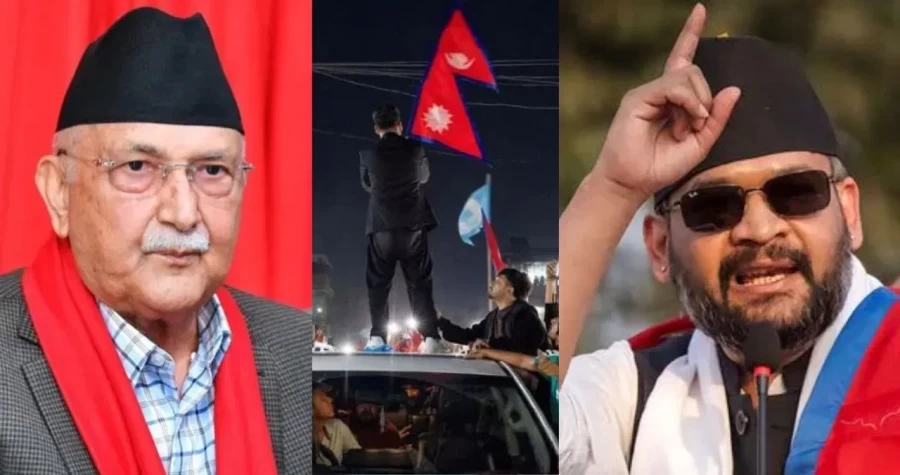
In a significant political development in Nepal, the newly appointed Prime Minister Balen Shah has initiated a series of high-profile legal actions immediately after assuming office. Following the directives of the new administration, the police have arrested former Prime Minister KP Sharma Oli from Gundu. On top of that, former Home Minister Ramesh Lekhak has also been taken into custody. These actions are linked to allegations of negligence during the Generation Z (Gen Z) protests that occurred in September last year.
First Cabinet Meeting and Immediate Directives
The decision was finalized during the first cabinet meeting chaired by Prime Minister Balen Shah on Friday. The government took formal cognizance of the High-Level Investigation Commission's report regarding the Gen Z movement. According to official statements, the cabinet decided to immediately implement the recommendations of the commission, which investigated the handling of the protests. During the meeting, Minister for Science and Technology Sasmit Pokharel was also appointed as the government's official spokesperson.
Findings of the High-Level Investigation Commission
Government spokesperson Sasmit Pokharel informed the media that the commission, headed by Gauri Bahadur Karki, found former Prime Minister KP Sharma Oli and then Home Minister Ramesh Lekhak responsible for administrative negligence. The report suggests that despite holding high constitutional offices, the individuals failed to manage the protests effectively. The commission has recommended a maximum sentence of 10 years of imprisonment for those found guilty of negligence in this matter. The cabinet has moved to process these recommendations through the judicial system.
Action Against High-Ranking Police Officials
The scope of the government's action extends beyond political figures to include senior law enforcement officials. The investigation commission has recommended proceedings against several high-ranking officers, including the then Inspector General of Nepal Police, Chandra Kuber Khapung. Sources indicate that the government has granted approval for these actions. Previously, the administration led by Sushila Karki had decided to make the report public by placing it in the archives of the Federal Parliament Secretariat, but the current government has now moved toward active enforcement.
Formation of Study Group for Further Action
Minister Sasmit Pokharel stated that a dedicated study group will be formed to oversee the actions against security personnel as recommended by the Karki-led commission, while this group will examine the legal nuances to ensure that the disciplinary actions are strong and sustainable in court. The spokesperson emphasized that the government's primary focus is to ensure accountability for past administrative failures. Further recommendations from the commission regarding other related incidents are expected to be implemented in the coming phases.
