
- India,
- 11-May-2026 12:00 AM IST



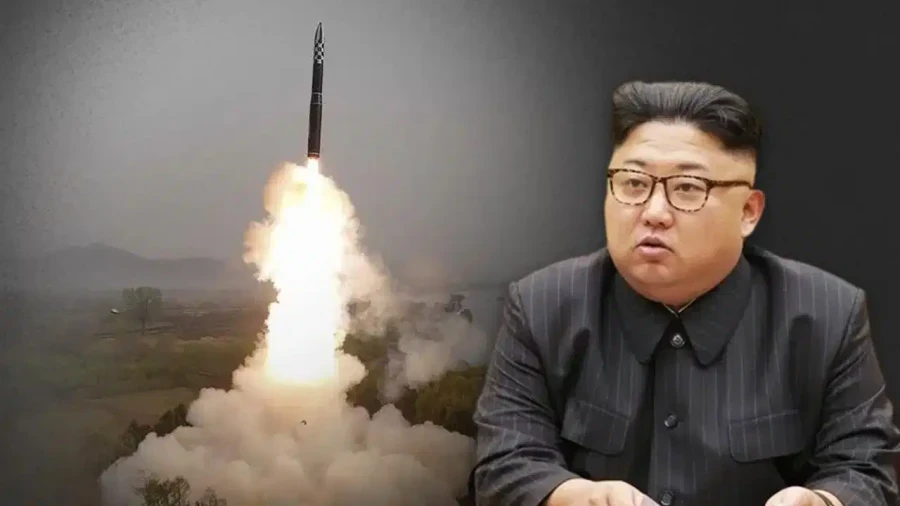
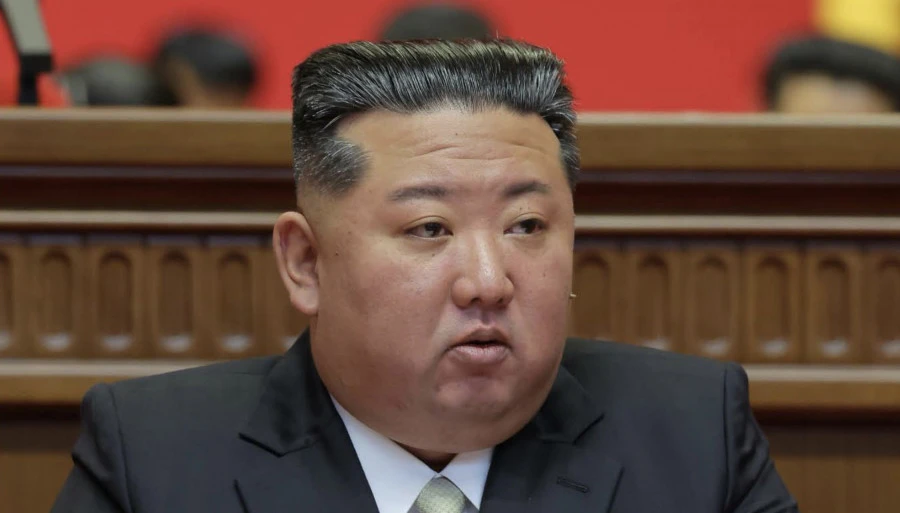
North Korea has introduced a significant and strategic amendment to its constitution and nuclear policy, establishing a new provision for its military response. Under this new law, if Supreme Leader Kim Jong-un is assassinated or rendered unable to lead due to a foreign attack, the country will immediately execute a nuclear strike. This move marks a major escalation in North Korea's defense posture, specifically aimed at protecting its top leadership from external threats.
Impact of Iranian Leadership Strikes on Pyongyang
According to a report by the British newspaper The Telegraph, this constitutional change was prompted by attacks in Tehran in March, attributed to the US and Israel. These strikes resulted in the deaths of Iranian Supreme Leader Ali Khamenei and several senior Iranian officials. South Korea's National Intelligence Service (NIS) suggests that these events forced Pyongyang to reconsider its security framework. North Korea now fears a 'decapitation strike'—an operation designed to eliminate the top leadership—could be directed against its own regime in the future.
The 15th Supreme People's Assembly and New Provisions
The new provision was officially adopted during the first session of the 15th Supreme People's Assembly, which commenced in Pyongyang on March 22. Following the session, the South Korean NIS briefed senior government officials on the implications of this policy shift. Defense experts believe the precision and speed of the strikes in Iran deeply unsettled the North Korean leadership. Andrei Lankov, a professor of history and international relations at Kookmin University in Seoul, stated that the operation in Iran served as a major 'wake-up call' for North Korea.
Challenges of Executing Strikes in North Korea
Experts point out that conducting such a strike in North Korea would be Notably more difficult than in Iran. North Korea remains one of the most isolated nations globally, with strict surveillance on foreign diplomats, aid workers, and businesspeople.
Military Escalation and Pressure on South Korea
In addition to the constitutional change, North Korea has announced plans to deploy long-range artillery systems near the border with South Korea. ' This system has a range of over 60 km, potentially bringing the capital city of Seoul within direct striking distance. North Korea has officially designated South Korea as its 'primary enemy' and removed references to Korean unification from its constitution.
Missile Arsenal and Reach to the United States
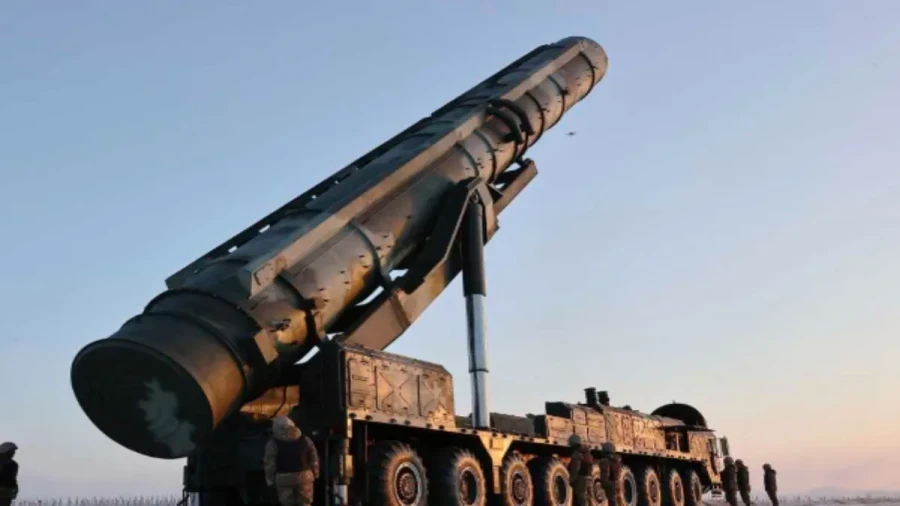
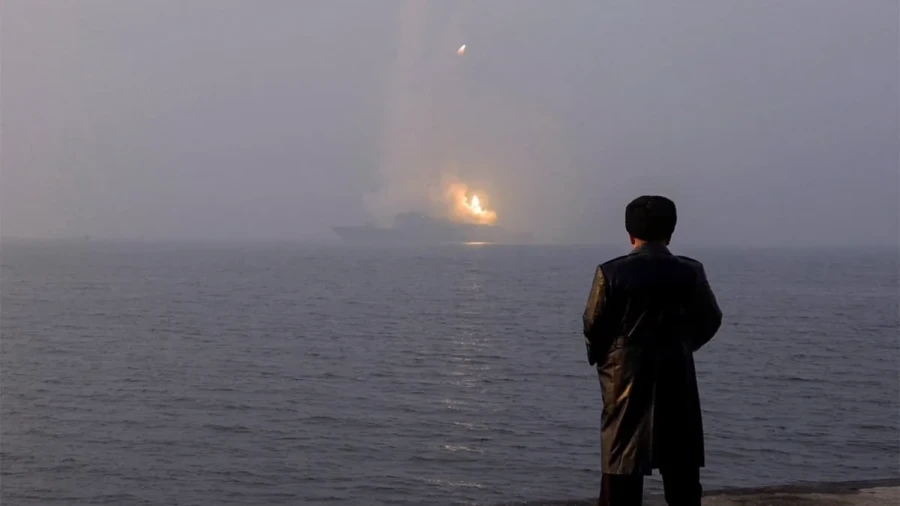
While exact figures aren't public, experts estimate that North Korea possesses hundreds of ballistic missiles, including short-range, medium-range, and Intercontinental Ballistic Missiles (ICBMs).
Professor Lankov noted that Kim Jong-un's primary concern is satellite tracking technology rather than traditional espionage. He emphasized that if an attack occurs on the leader, the military leadership is prepared to follow through with nuclear retaliation, as they view any foreign strike as an existential threat. Since a strike from South Korea is deemed unlikely by experts, the primary target for any retaliatory nuclear action would be the United States. Technically, North and South Korea remain at war, as the 1950-1953 conflict ended only with an armistice, not a formal peace treaty.