
- India,
- 18-May-2026 09:18 PM IST



Pakistan has taken a significant step in regional geopolitics by mobilizing its military forces to safeguard Saudi Arabia amidst escalating tensions with Iran. According to recent reports, the Pakistani government has initiated a large-scale deployment that includes 16 fighter jets, 50 drones, and a sophisticated defense system. This move is part of a strategic effort to bolster the security of the Kingdom, which has increasingly found itself on Iran's radar. The deployment isn't limited to hardware; Pakistan has already stationed 8000 soldiers in Saudi territory, with plans to eventually increase this number to a staggering 80000 troops. This massive military presence is intended to act as a deterrent and a direct defense mechanism against any potential aggression from Iran.
The 2025 Defense Pact and Strategic Commitments
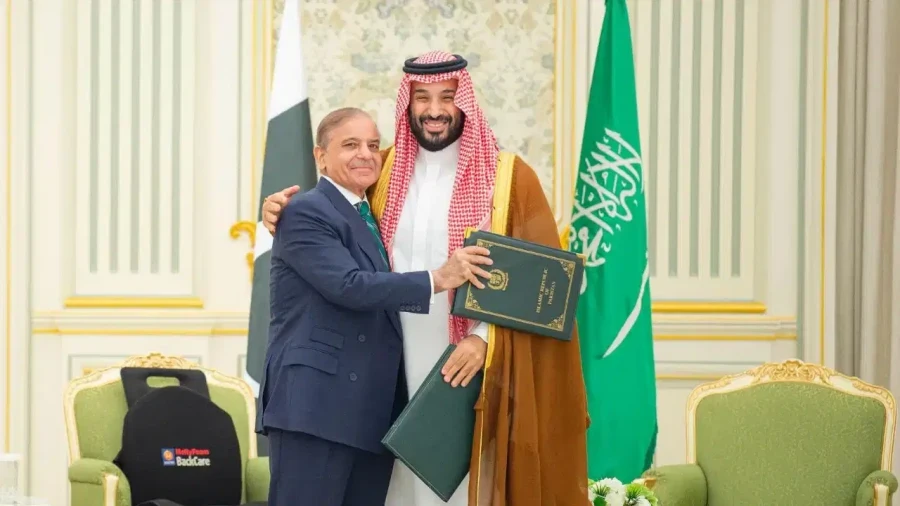
The foundation of this military cooperation lies in a defense agreement signed between Pakistan and Saudi Arabia in 2025. Under the terms of this pact, Pakistan has committed to providing comprehensive security and military support to the Kingdom, while in exchange, Saudi Arabia has agreed to provide financial assistance in the form of loans and significant investments in Pakistan's economy. This reciprocal arrangement highlights the deep-rooted strategic partnership between the two nations, while foreign Minister Ishaq Dar recently reaffirmed this commitment, stating that Pakistan remains dedicated to the security and sovereignty of Saudi Arabia. The deployment of 8000 soldiers is just the initial phase of a broader plan to coordinate military efforts and intercept any Iranian strikes in the event of a full-scale conflict.
Military Hardware and Deployment Details
A report by the news agency Reuters, citing five sources within the Pakistani government, has shed light on the specific military assets being moved. The 16 fighter jets currently stationed in Saudi Arabia are predominantly JF-17 Thunders, which were developed through a joint venture with China. In addition to the aerial combat units, Pakistan has deployed a Chinese-made defense system to provide a multi-layered shield against incoming threats. The inclusion of approximately 50 drones further enhances the surveillance and strike capabilities of the deployed forces. These assets are strategically positioned to coordinate with Saudi forces and respond rapidly to any hostile maneuvers in the region.
Pakistan's Complex Geopolitical Balancing Act
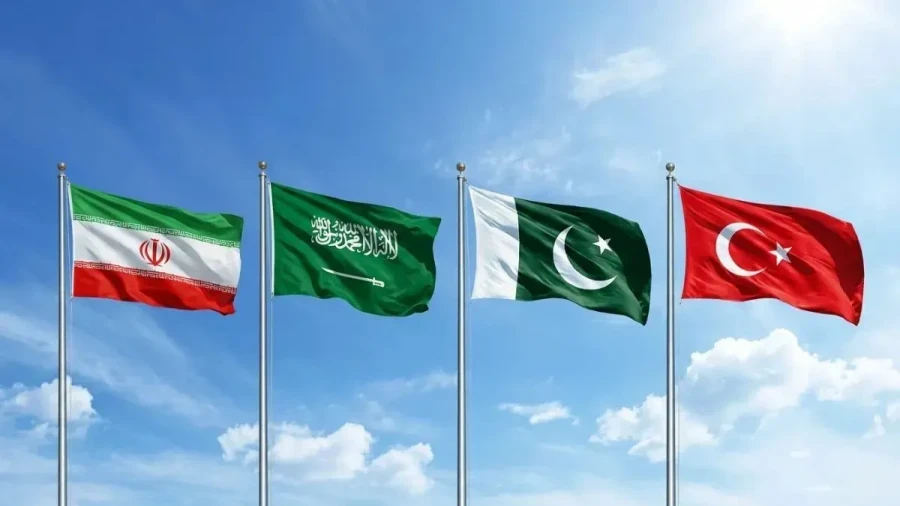
The deployment is particularly noteworthy given Pakistan's intricate relationship with Iran. Pakistan has often positioned itself as a close neighbor to Iran and has even acted as an official messenger in the nuclear agreement process between Iran and the United States. Recently, Pakistan and Iran signed two major deals, which included the unrestricted use of the Gwadar Port. Plus, Iran has allowed several of Pakistan's oil and gas tankers to pass through the Strait of Hormuz without interference. This dual role has raised questions about Pakistan's ultimate stance, as it simultaneously protects Saudi Arabia—a country often viewed as Iran's primary regional rival. The Reuters report highlights the complexity of Pakistan's position as it navigates its obligations to Saudi Arabia while maintaining economic and diplomatic ties with Iran.
Historical Context and Regional Proxies
The tension between Saudi Arabia and Iran isn't a new phenomenon. In previous conflicts, Saudi Arabia has faced direct attacks from Iran and has responded by targeting Iranian positions. The Kingdom is also actively engaged in countering Iranian-backed proxy groups, such as Kata'ib Hezbollah and the Houthi rebels, who have frequently targeted Saudi infrastructure. In April, at the request of the United States, Pakistan was appointed as an official messenger to facilitate communication between Washington and Tehran. While a round of meetings regarding the nuclear deal took place in Islamabad, no definitive resolution was reached. Pakistan's current military deployment to Saudi Arabia adds a new layer to this volatile regional dynamic, signaling its readiness to stand by its long-term ally in the face of direct military threats.