
- India,
- 02-Jun-2026 08:17 AM IST



Russia, a nation widely recognized as a preeminent global power in the oil and gas sector, has officially announced a significant restriction on its energy exports. The Russian administration has decided to impose a ban on the export of aviation fuel, a move that's slated to remain in effect until November 30. This strategic decision comes as Moscow grapples with intensifying market pressures that have emerged during the ongoing and protracted conflict with Ukraine. It's important to note that this isn't the first such measure; the Russian government had previously established limits on the export of automobile fuels to manage domestic supply and demand dynamics effectively.
Strategic Measures by the Putin Administration
The decision to halt aviation fuel exports was finalized by the Russian administration following a thorough assessment of the current energy landscape. President Putin took this major step in light of diminishing refinery production and the rapidly shifting conditions within the national energy network. The primary objective behind this move is to safeguard and secure domestic fuel reserves for the nation's own requirements. In a detailed statement released on Monday, the Kremlin outlined the broader strategy, indicating that this temporary trade restriction is a calculated effort to maintain equilibrium within the domestic fuel sector and prevent any potential shortages.
Ensuring Stability Amidst Infrastructure Challenges
According to government officials, the fundamental purpose of this export ban is to ensure long-term stability within the domestic fuel market. This policy implementation follows various reports suggesting that Moscow was actively considering potential export restrictions on both diesel and jet fuel. These considerations gained momentum after refining operation rates plummeted to their lowest levels in several years, while this decline in production is directly linked to recent drone and missile strikes that have specifically targeted Russian energy complexes, causing significant disruptions to the refining process.
Targeting Energy Infrastructure
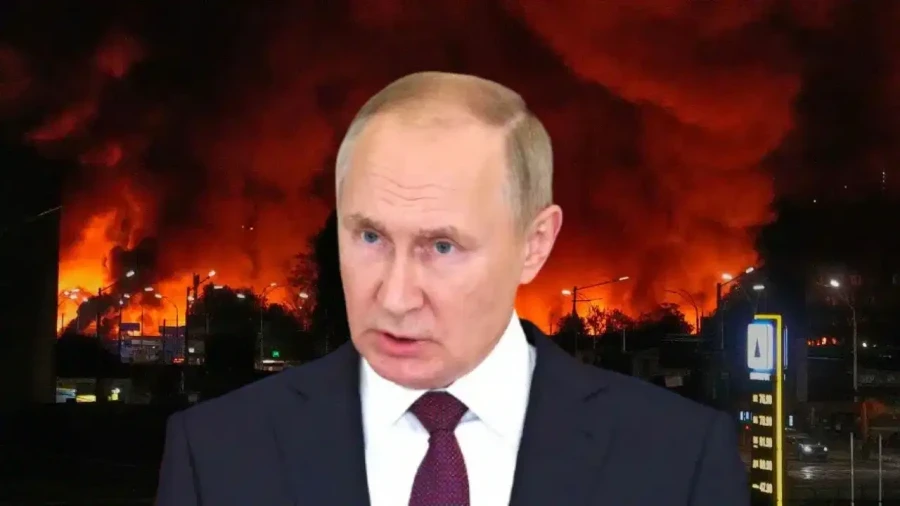
In recent months, Russia's critical energy infrastructure has become a primary target for military operations. This includes oil processing refineries and the extensive inter-country pipeline networks that facilitate the movement of petroleum products. These facilities have been subjected to aerial attacks as part of Kyiv's strategic military campaign. Such strikes have notably impacted Russia's overall energy capabilities, necessitating urgent measures to protect domestic supply, while this is particularly crucial during periods of increased seasonal consumption when the demand for fuel within the country typically rises.
Global Export Role and Treaty Exemptions
Russia remains one of the world's leading exporters of petroleum products, traditionally supplying a vast portion of its diesel and aviation fuel production to international markets, while despite the new restrictions, the administration has clarified that the suspension of exports won't affect fuel shipments already committed under existing intergovernmental treaties. This ensures that Russia continues to honor its international diplomatic and trade obligations while addressing its internal energy security needs.
Escalation of Tactical Operations
While Moscow continues to be a dominant force in the global energy market, it's currently facing significant tactical challenges. Kyiv has intensified its strategic operations against Russian energy targets over the past few weeks. These actions are taking place even as Ukraine continues to face daily missile and drone bombardments, while the targeting of energy infrastructure represents a shift in the conflict's dynamics, forcing Russia to prioritize its domestic market stability over its traditional role as a global fuel supplier until at least the end of November.