
- India,
- 20-May-2026 04:31 PM IST



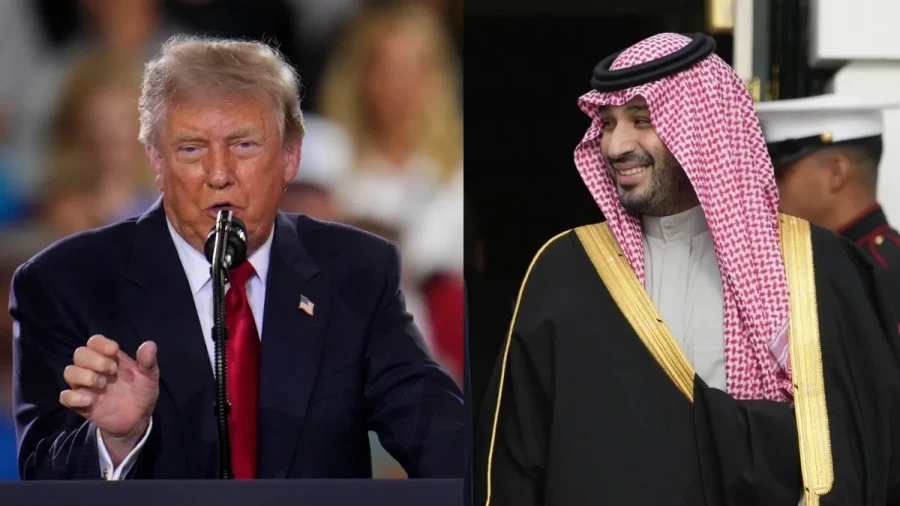
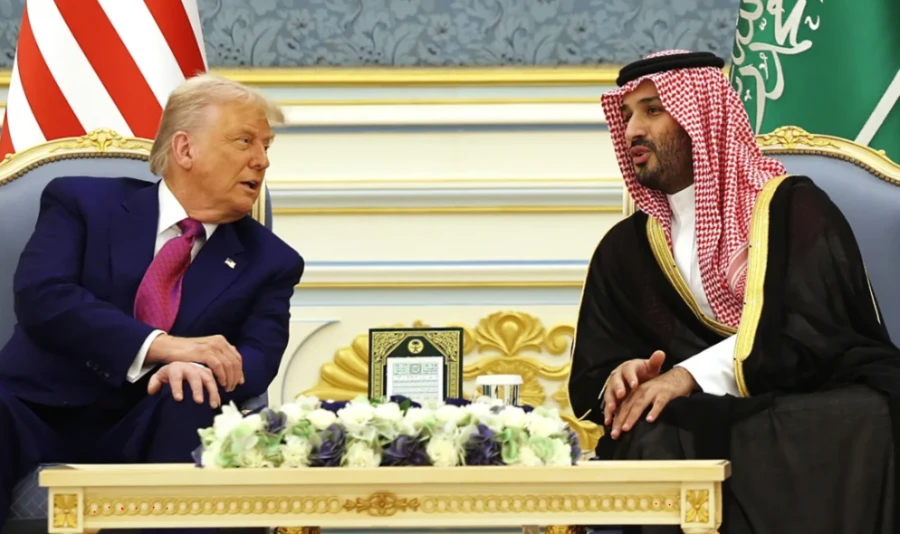
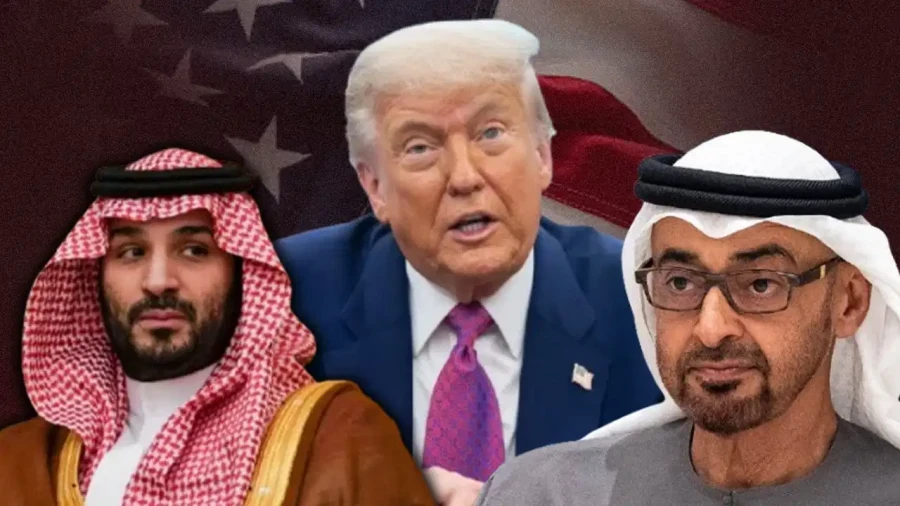
The geopolitical landscape in the Middle East is witnessing a significant shift as two of America's long-standing allies, Saudi Arabia and the United Arab Emirates (UAE), have taken decisive actions that challenge US interests. Within a span of just 24 hours, these nations have delivered two major blows to the United States, particularly at a time when Washington is deeply entangled in tensions with Iran. These developments have raised concerns about the stability of traditional alliances and the potential long-term impact on the American economy and its strategic influence in the region.
The Financial Withdrawal: A 15 Billion Dollar Hit
The first major blow is financial in nature and strikes at the heart of the American economic system. Saudi Arabia and the UAE have begun withdrawing their substantial holdings from the US Treasury. According to official information released on Wednesday, the two nations have collectively pulled out 15 billion dollars from their investment portfolios in the United States. This move is seen as a significant withdrawal of capital that could have far-reaching consequences for the US Treasury's ability to manage its debt and fund various projects.
Detailed official data reveals the scale of this divestment. Saudi Arabia reduced its holdings in US Treasury bonds by 10 billion 800 million dollars during the month of March. Following this withdrawal, Saudi Arabia's remaining stake in the US Treasury stands at 149 billion 600 million dollars. Similarly, the United Arab Emirates has also moved to liquidate a portion of its holdings, withdrawing 5 billion 800 million dollars. This leaves the UAE with a remaining balance of 114 billion 100 million dollars in the American treasury. This data, which became public on Tuesday, highlights a coordinated or simultaneous effort by these Gulf nations to reduce their financial exposure to the United States.
Economic Implications for the United States
The withdrawal of such large sums is a direct blow to the US economy for several reasons. As reported by Reuters, the US government relies heavily on Treasury bonds to raise funds from global investors. These funds are essential for financing infrastructure development, public services, and maintaining the overall strength of the American economy, while when major holders like Saudi Arabia and the UAE begin to sell off their bonds or withdraw their capital, it sends a signal to the global market.
One of the primary concerns is the erosion of trust among creditor nations. If other countries see major allies withdrawing their support, they may also begin to question the safety and stability of investing in US debt. Also, this move poses a threat to the strength of the US dollar. A decrease in demand for Treasury bonds can lead to a weakening of the currency on the international stage. On top of that, this shift could make borrowing more expensive for the United States, potentially leading to an increase in interest rates. For an American public already grappling with the economic pressures of ongoing conflicts, these financial shifts could result in further domestic economic strain.
The Military Standoff: Opposing the Attack on Iran
The second major blow delivered by Saudi Arabia and the UAE concerns the United States' military strategy regarding Iran. Despite being considered key regional allies, both nations have openly opposed a renewed military strike against Iran, while this opposition has had a direct impact on American decision-making at the highest levels. Reports from Axios indicate that President Donald Trump was on the verge of launching a military strike, stating that he was only one hour away from initiating the attack, while however, the firm opposition from the UAE and Saudi Arabia forced a last-minute reversal of this decision.
On Tuesday, May 18, President Trump was prepared to finalize the decision to attack Iran. When the US administration consulted with Saudi Arabia and the UAE regarding the planned military action, both nations refused to offer their support. Their reasoning was rooted in the potential for regional instability and the direct threat a war would pose to their own interests. Both countries emphasized that a conflict would cause them more harm than good, specifically citing the need to protect their vital oil installations. The fear that a war with Iran would lead to retaliatory strikes on their energy infrastructure was a primary factor in their refusal to back the US plan. Consequently, faced with a lack of support from his most critical regional partners, President Trump decided to call off the attack.
A Shift in Regional Alliances
For decades, Saudi Arabia and the UAE have been viewed as the cornerstones of American influence in the Middle East. Their recent decisions to withdraw financial support and oppose military initiatives mark a significant departure from this traditional role. The refusal to participate in the Iran conflict and the simultaneous withdrawal of billions of dollars from the US Treasury suggest a more independent and cautious approach to their relationship with Washington, while as the United States continues to navigate the complexities of Middle Eastern geopolitics, the actions of these two nations serve as a stark reminder of the changing dynamics and the limitations of American influence when the interests of its allies are at stake.