
- India,
- 26-Aug-2026 11:54 AM IST



In a significant development ahead of the peak festive season in India, major retail chains and quick-commerce platforms have started rationing sugar sales. Retailers such as D-Mart and digital platforms including BigBasket, Blinkit, and Swiggy Instamart have imposed strict limitations on the quantity of sugar a single customer can purchase. This move comes as a response to a tightening supply chain and a sharp increase in retail prices, which have surged by approximately 40 percent over the last two months. In several regions across the country, the price of sugar has already crossed the 70 rupees per kilogram mark, prompting these companies to take preemptive measures to ensure availability for a larger number of consumers.
Purchase Limits Across Different Platforms
The restrictions vary across different service providers and locations. Quick-commerce platforms have generally capped sugar purchases at 5 kilograms per transaction, while some retailers have gone further, limiting the purchase to just 3 kilograms. For instance, in the Delhi-NCR region, Blinkit has restricted the purchase of brands like Mawana Premium Crystal Sugar and Dhampur Crystal White Sugar to a single 5 kilogram pack per transaction.
In Pune, the restrictions are even tighter on some platforms. Blinkit customers in the city are only allowed to add three packs of 1 kilogram each to their shopping carts. Similarly, BigBasket has set a limit of five packs of 1 kilogram each for specific sugar brands. On Swiggy Instamart in the Delhi-NCR area, limits were observed where customers could only buy two packs of 1 kilogram each for brands like Supreme Harvest Crystal Sugar and Madhur Sugar. Even physical retail stores aren't exempt; a D-Mart store in Pune displayed a board informing customers that they could only purchase 5 kilograms of sugar per invoice, expressing regret for the inconvenience caused.
Impact on the Food Industry and Manufacturing
This supply crisis isn't only affecting individual households but is also putting immense pressure on packaged food manufacturing companies. These businesses are currently grappling with rising costs for essential ingredients, including both sugar and edible oil. This situation is particularly challenging as it coincides with the period when demand for snacks and sweets typically peaks. Manufacturers are now preparing to increase their product prices by at least 5 percent to 6 percent. Some industry leaders have indicated that if sugar prices remain high, further hikes may be necessary. The head of a prominent snack food company stated that they've no choice but to raise prices by about 5 percent to manage the rising input costs.
Causes Behind the Supply Shortage
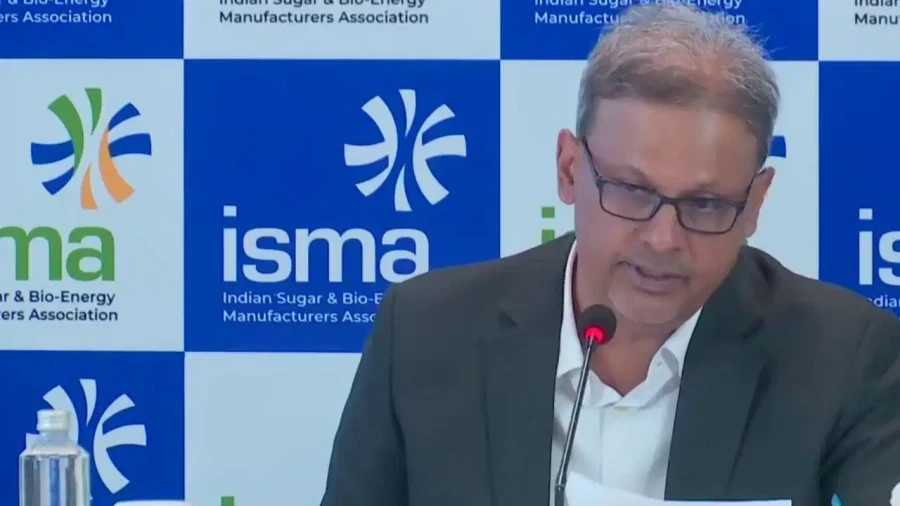
Several factors have contributed to this sudden spike in sugar prices and the subsequent rationing. Primary reasons include sugar production levels falling below initial estimates and the export of 800,000 tons of sugar. On top of that, there are reports of alleged hoarding by certain middlemen, which has further strained the market. Industry experts also point towards inaccurate production estimates provided by various industry groups, such as the Indian Sugar and Bio-Energy Manufacturers Association (ISMA), as a factor that exacerbated the situation. To stabilize the market, the Indian government last week approved the import of 10 lakh tons of sugar.
Export Restrictions and Price Fluctuations
The current situation is a sharp turn from earlier in the year when India had allowed the export of 2 million tons of sugar based on expectations of surplus stock. 5 million tons in February. However, as domestic prices began to climb, the government imposed a ban on exports in May. At the mill level, sugar prices saw a dramatic rise from 41 rupees per kilogram in the first week of June to 65 rupees per kilogram. Following government interventions, these prices have recently cooled down to 58 rupees per kilogram this week. Despite this slight dip, major packaged food companies have maintained that they will pass the burden of increased sugar costs onto consumers, especially with major festivals like Raksha Bandhan approaching.
Corporate Perspectives on Rationing
Angshu Mallik, the Executive Deputy Chairman of AWL Agribusiness, explained that many retail chains have limited the number of sugar pouches per customer to ensure that the available stock can reach as many customers as possible. AWL and Shree Renuka Sugars, in which Wilmar International holds a significant stake, have a partnership for marketing the 'Madhur' brand of sugar, while this strategy of rationing is seen as a necessary step to prevent bulk buying and ensure equitable distribution during this period of production deficiency.