
- India,
- 27-May-2026 10:13 AM IST



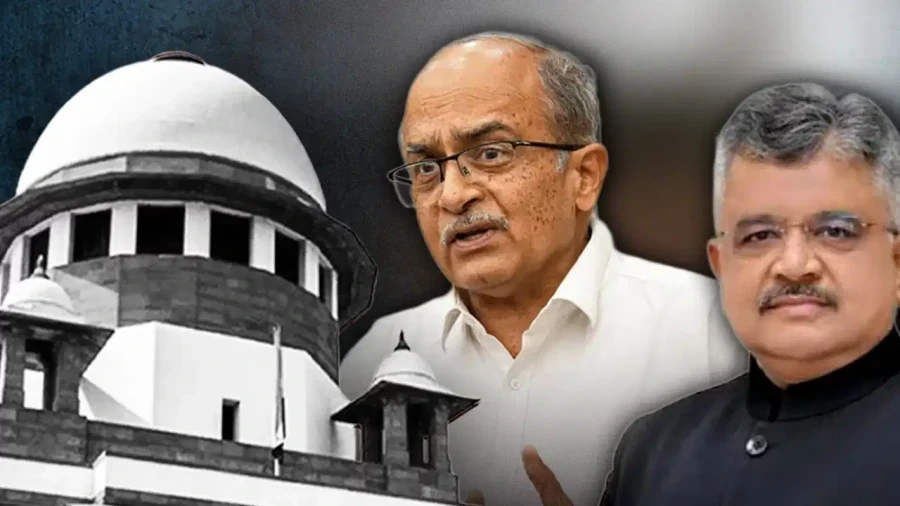
The Supreme Court of India is scheduled to deliver its much-anticipated verdict on Wednesday regarding a cluster of petitions challenging the Special Intensive Revision (SIR) process of the voter list in Bihar. This legal battle centers on whether the Election Commission of India possesses the requisite authority to conduct such an extensive revision under the existing constitutional and legal framework. The petitions specifically argue that the scale of this SIR exercise exceeds the powers granted to the commission under Article 326 of the Constitution and the Representation of the People Act 1950, along with the rules framed thereunder.
Background of the Legal Battle
A bench headed by Chief Justice Surya Kant had reserved its judgment on January 29 after conducting extensive hearings on the matter. Among the prominent petitioners is the Association for Democratic Reforms (ADR), a well-known non-governmental organization that has raised significant concerns regarding the transparency and legality of the revision process. It's important to note that the first phase of the SIR process in Bihar has already been concluded, making this verdict crucial for the future of the state's electoral rolls and the democratic rights of millions of citizens.
The Timeline of Final Arguments
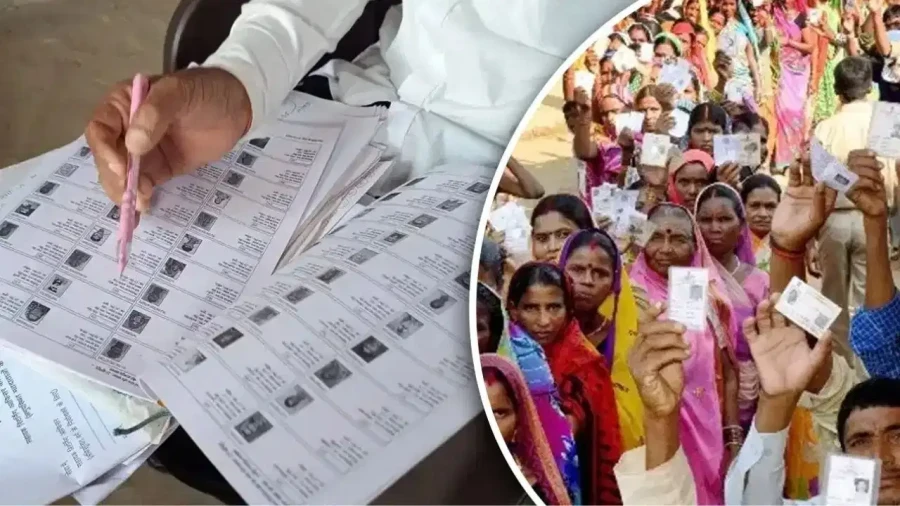
The final arguments in this significant case commenced in the Supreme Court on August 12 last year. During the proceedings, the court observed that the inclusion or exclusion of names in the voter list falls within the constitutional jurisdiction of the Election Commission. Following the SIR process, the Election Commission released a list containing the names of 65 lakh individuals who were subsequently removed from the draft voter list that was published later. This massive reduction in the number of voters has been one of the primary points of contention for the petitioners.
The Ancestral Connection Requirement
According to the notification issued for the SIR, voters who weren't present in the voter lists of 2002 or 2003 were required to prove an ancestral connection with an individual who was listed in the records of that time. In its defense, the Election Commission argued that documents like Aadhaar cards and Voter ID cards can't be considered as conclusive proof of citizenship. This stance was taken to justify the rigorous verification process adopted during the Special Intensive Revision in Bihar.
Allegations of an NRC-Like Process
The petitioners have raised serious allegations, claiming that this revision of the voter list is Basically an NRC-like process. They argued that through this exercise, the Election Commission is effectively conducting a citizenship verification, a power that they claim rests solely with the Central Government. Advocate Prashant Bhushan, representing ADR, questioned the timeline set for completing this entire process. Plus, he raised concerns regarding the data of the 65 lakh voters who were either declared dead, categorized as migrants, or shown as registered in other constituencies, questioning the accuracy and intent behind such large-scale deletions.