
- India,
- 16-May-2026 10:37 AM IST



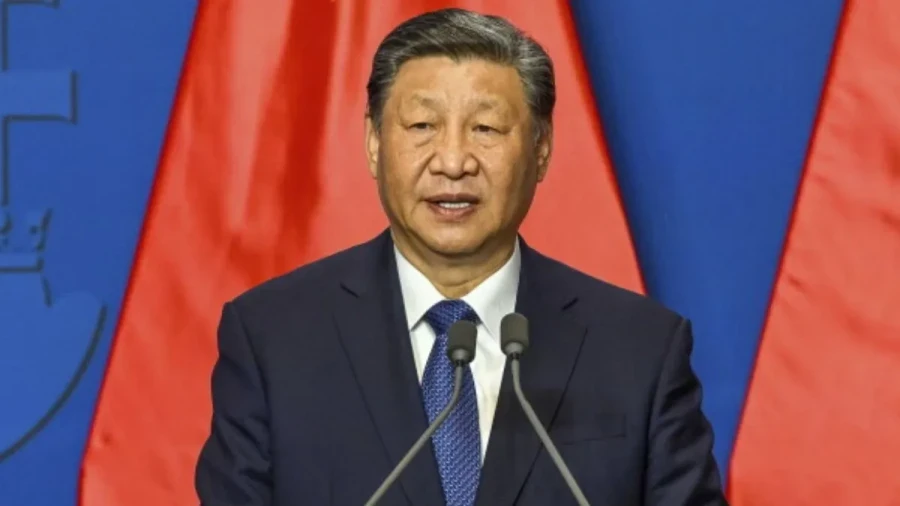
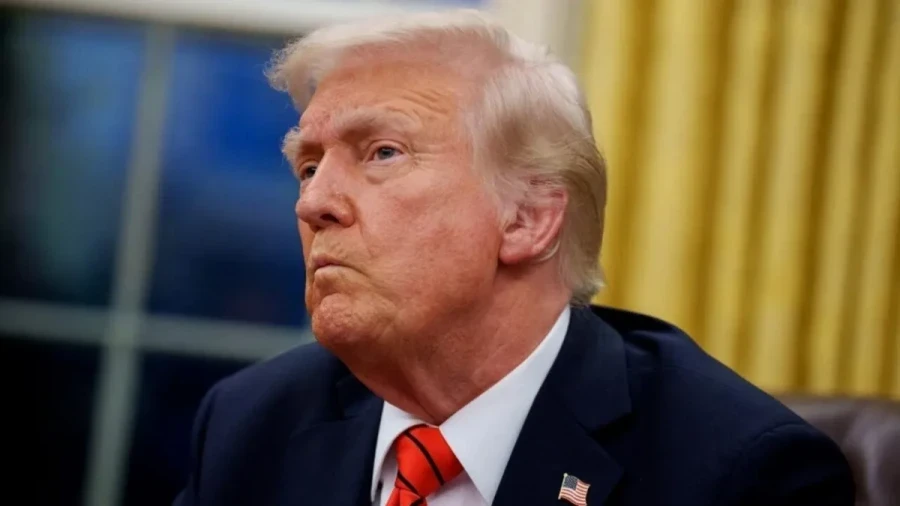
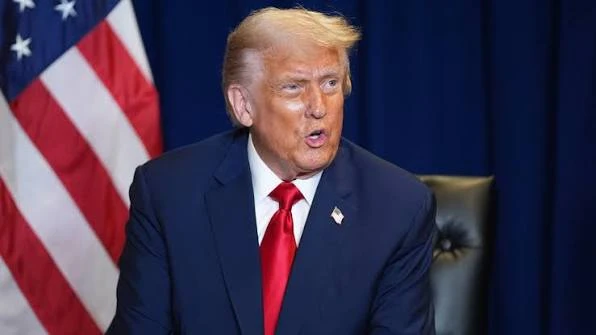
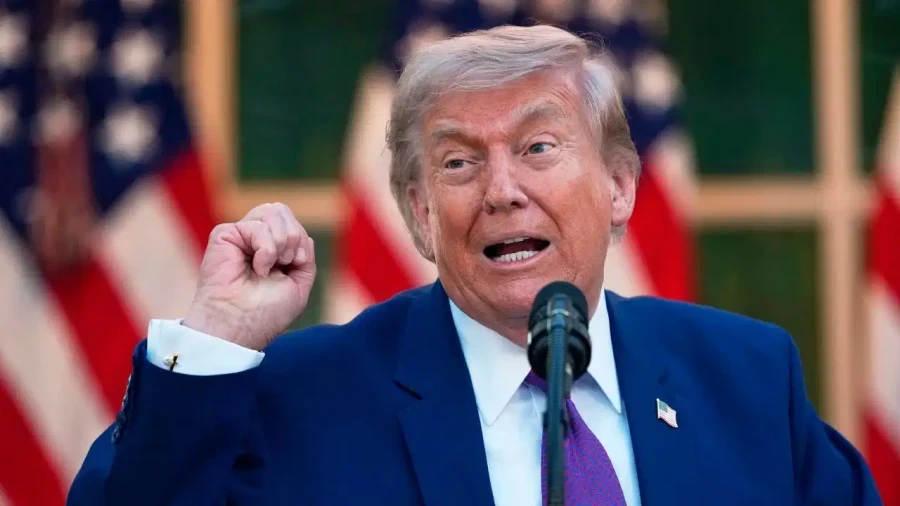
US President Donald Trump has made a significant revelation following his high-profile three-day state visit to China. Speaking to reporters aboard Air Force One, Trump claimed that Chinese President Xi Jinping shares the American stance that Iran should never be allowed to acquire nuclear weapons. This consensus marks a notable alignment between the two superpowers on a critical Middle Eastern security issue that has long been a point of international contention.
Strategic Consensus on Iran and Global Trade
Trump noted that China is particularly concerned about the stability of global trade routes and energy security. According to the US President, Xi Jinping emphasized that the Strait of Hormuz must remain open at all times to ensure that the global supply of oil and commercial goods remains uninterrupted, while this waterway is a vital artery for global energy markets, and any disruption there could have catastrophic effects on the world economy, a concern that both leaders reportedly share.
US Control and Economic Pressure on Iran
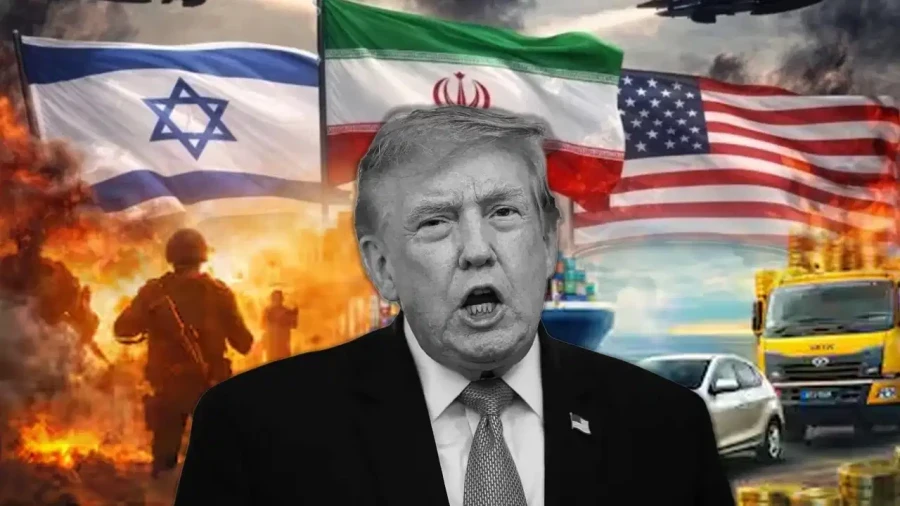
During the briefing, the American President asserted that the United States currently maintains a firm grip on the Strait of Hormuz. Trump claimed that the US Navy's strategic actions and the ongoing blockade have severely hampered Iran's ability to conduct normal business operations for the past two and a half weeks, while trump provided specific figures to illustrate the impact of this pressure, estimating that the current situation is costing Iran approximately 500 million dollars every single day. He suggested that if Iran attempts to close this route, the US is prepared to increase its pressure Importantly.
Delicate Discussions on Taiwan
The discussions between the two world leaders also delved into the sensitive and complex issue of Taiwan. Trump reported that Xi Jinping expressed a strong desire to avoid any major independence movements or armed conflict in Taiwan, while the Chinese President reportedly fears that such developments could lead to a direct and large-scale confrontation between China and other nations, including the United States. While Trump listened intently to Xi's concerns regarding regional stability, he noted that he refrained from making extensive comments or commitments on the matter during their meeting, though the topic occupied a significant portion of their dialogue.
Revisiting Historical Agreements
When questioned by journalists about the 1982 agreement signed by former President Ronald Reagan—which suggested the US wouldn't consult China regarding arms sales to Taiwan—Trump dismissed the document as outdated. He stated that the world has changed Importantly since the early 1980s and that today's geopolitical reality requires a different approach. Interestingly, Trump revealed that Xi Jinping himself raised the issue of US arms sales to Taiwan, leading to an open and frank discussion between the two leaders. Trump indicated that he would make future decisions on this matter based on current interests.
Avoiding New Global Conflicts
Trump concluded his interaction by emphasizing a policy of restraint and de-escalation. He stated that the world doesn't need another war, especially one located 9500 miles away from American shores. He reiterated that his administration's primary goal is to avoid major military struggles and maintain global stability, while "The world has seen enough conflict," Trump suggested, implying that diplomatic understanding with leaders like Xi Jinping is crucial to preventing further escalations in West Asia and beyond.