

- India,
- 07-Apr-2026 11:19 PM IST


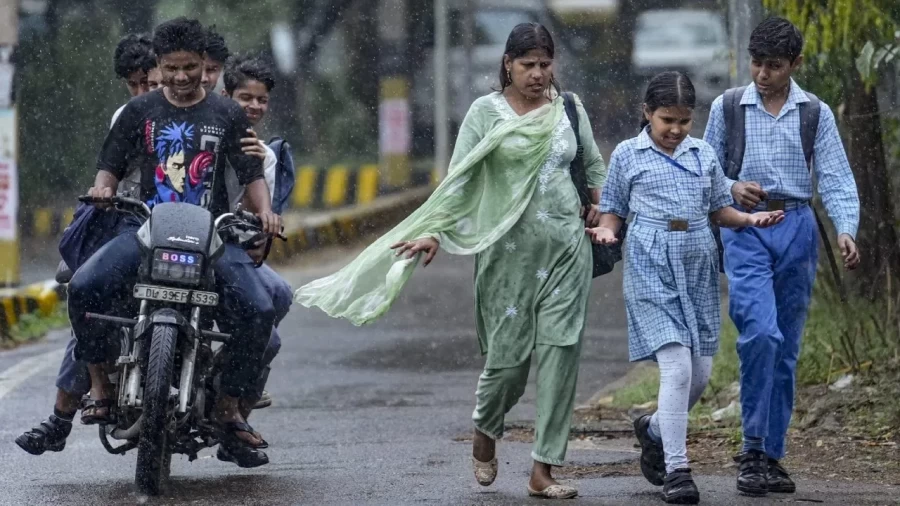
The India Meteorological Department (IMD) has reported a significant shift in weather patterns across North India, confirming its earlier predictions. The department had issued an alert for heavy rainfall, thunderstorms, and hailstorms across various parts of the country between April 7 and 9. On Tuesday, rain lashed Delhi-NCR, Punjab, Haryana, and parts of Uttar Pradesh, bringing an unexpected chill to the month of April. This sudden atmospheric change has raised serious concerns regarding public health and the safety of standing crops.
Impact of Western Disturbances and Cyclonic Circulations
According to meteorologists, the primary driver of this unseasonal weather is an active Western Disturbance. These are low-pressure systems originating from the Mediterranean Sea that travel through Iran, Afghanistan, and Pakistan before entering North India. When these cold winds interact with the Himalayan range, they trigger precipitation and hailstorms in the plains. On top of that, a cyclonic circulation over Rajasthan and Madhya Pradesh has been drawing moisture from the Arabian Sea, intensifying the rainfall activity across the central and northern belts.
Role of Climate Change and Jet Stream Dynamics
Experts attribute the increasing frequency of such erratic weather events to global warming and climate change. The Jet Stream, a band of strong winds in the upper atmosphere, has occasionally shifted southward, bringing polar cold air into the Indian subcontinent during the spring season. This instability is further compounded by the increased moisture-holding capacity of the atmosphere due to rising global temperatures. These factors combined have disrupted the traditional transition from winter to the peak summer heat usually expected in April.
Severe Crisis for Rabi Crops and Horticulture
The agricultural sector is facing the brunt of this unseasonal downpour. April is the peak harvesting season for Rabi crops, particularly wheat. According to agricultural officials, high-velocity winds and rain have caused lodging, where the standing wheat crop flattens against the ground. This leads to grain discoloration and a decline in quality, making it difficult for farmers to secure a fair market price. Plus, hailstorms have caused extensive damage to mustard, chickpea, and pea crops, while mango orchards have reported significant loss of blossoms, threatening the season's yield.
Disruptions in Daily Life and Public Health
The sudden drop in temperature has led to a surge in seasonal illnesses. Health departments have noted an increase in cases of viral fever, common cold, and respiratory infections, particularly among children and the elderly, while in urban areas, the rain has resulted in waterlogging and traffic congestion, while power outages were reported in several districts due to strong winds. The unexpected cold has also temporarily slowed down the demand for summer-centric commodities like air conditioners and cold beverages, forcing residents to bring out winter clothing once again.
Mitigation Measures and Government Guidelines
The IMD has advised farmers to postpone harvesting where possible and to store already harvested produce in waterproof warehouses or cover them with tarpaulins. State governments have directed local authorities to conduct surveys to assess the extent of crop damage for potential compensation. Experts emphasize the need for solid weather-based crop insurance and improved dissemination of real-time weather alerts through digital platforms. Long-term strategies, including large-scale afforestation and climate-resilient farming practices, are being advocated to mitigate the impact of such environmental shifts.
