
- India,
- 20-Aug-2026 06:11 PM IST



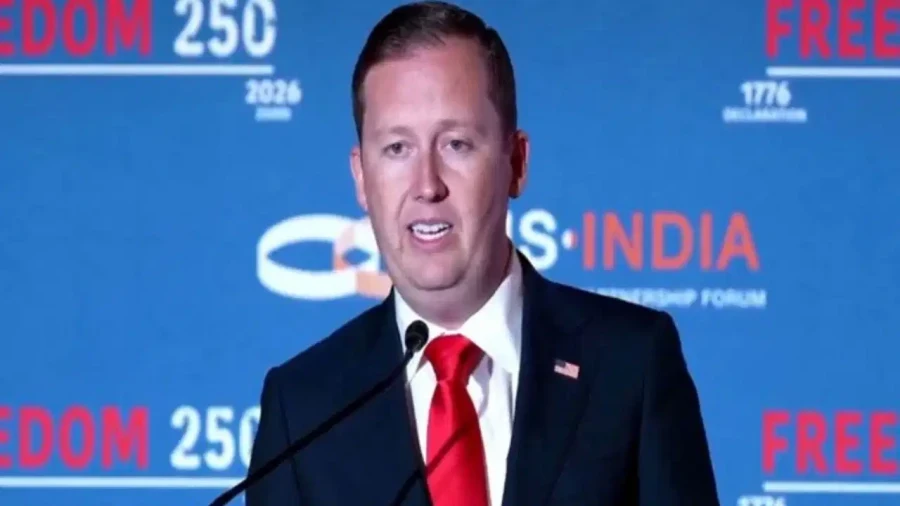
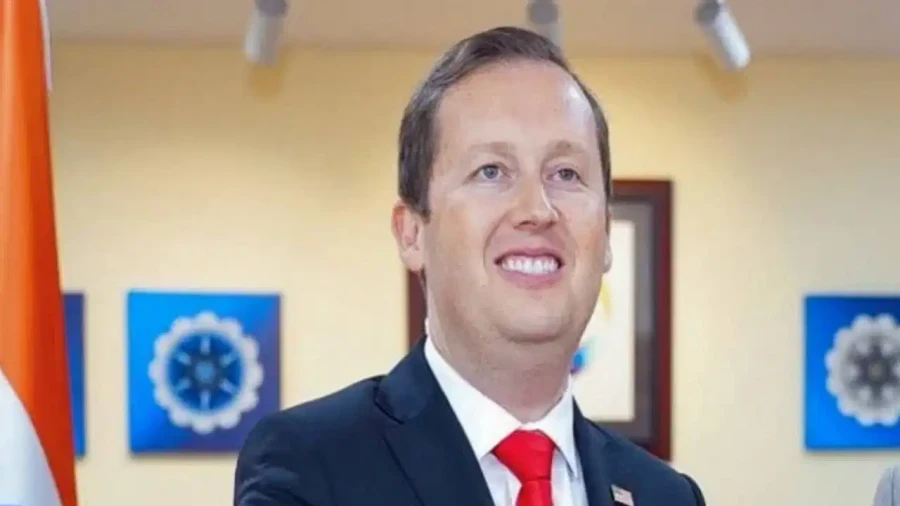
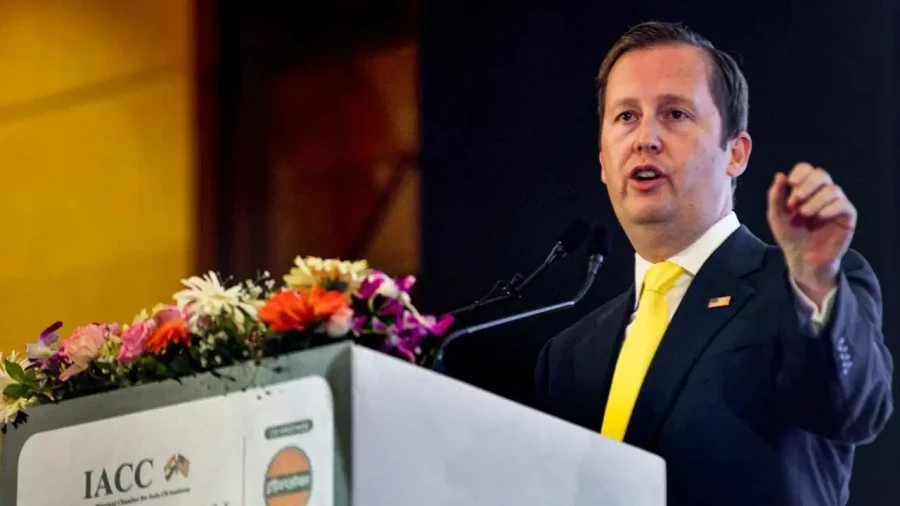
The geopolitical landscape surrounding the Jammu and Kashmir region has witnessed a significant shift following the recent statements made by the United States Ambassador to India, Sergio Gor. During his high-profile visit to Srinagar, Gor, who is widely recognized as a close confidant of President Donald Trump, explicitly described Jammu and Kashmir as an integral part of India. This declaration is being viewed as a major diplomatic victory for New Delhi and a definitive validation of the ground realities in the Union Territory. The ambassador's remarks have not only strengthened India's position in global diplomacy but have also effectively sidelined Pakistan's long-standing narrative on the issue.
The Significance of Sergio Gor's Visit
Sergio Gor's visit to the Kashmir Valley marks a pivotal moment in Indo-US relations. As he arrived in Srinagar, the ambassador expressed his admiration for the region's natural beauty and the prevailing atmosphere of peace. He stated, "It's a great pleasure to be here. This is an important part of India. This is my first time here. It's a very beautiful place, while i am very thrilled to be here and to see this place. " These words carry immense weight, coming from a top diplomat representing the United States, especially one with close ties to the Trump administration, while the open acknowledgment of Kashmir as an integral part of India signifies that global superpowers are now fully accepting the administrative and political changes that have occurred in the region.
Pakistan's Reaction and Diplomatic Frustration
The statement by Sergio Gor has caused significant distress in Pakistan. For decades, Islamabad has attempted to internationalize the Kashmir issue, portraying it as a disputed territory on various global platforms. However, this clear stance from the US ambassador has dismantled Pakistan's propaganda. The reaction from Islamabad was immediate and reflected deep-seated frustration. Following the ambassador's remarks, Pakistan summoned a US diplomat in Islamabad to register a strong protest. Diplomatic experts suggest that this move highlights Pakistan's growing isolation and its inability to counter India's narrative, which is backed by visible development and stability on the ground.
Post-Article 370 Transformation and Global Recognition
The context of this statement is deeply rooted in the changes that have taken place since the removal of Article 370 and the revocation of the special status of Jammu and Kashmir. The transition of the region into a Union Territory has led to historic and grassroots changes, which are now receiving international stamps of approval. The ambassador's visit and his positive assessment of the situation indicate that the world is recognizing the return of peace, development, and normalcy to the valley. Plus, Sergio Gor hinted at a potential review of travel advisories for US citizens visiting the valley, which could Notably boost tourism and further integrate the region into the global travel map.
Strengthening India's Global Standing
This development comes at a time when the strategic partnership between India and the United States is reaching new heights across sectors such as trade, technology, and security. The ambassador's remarks reinforce the idea that Kashmir is an internal matter of India, leaving little room for external interference or misinformation. As India's influence in global diplomacy continues to grow, the space for Pakistan's disinformation campaigns is rapidly shrinking. The international community's acceptance of the ground reality in Jammu and Kashmir serves as a testament to India's successful diplomatic efforts and its commitment to the region's progress.