
- India,
- 25-Nov-2026 07:36 PM IST



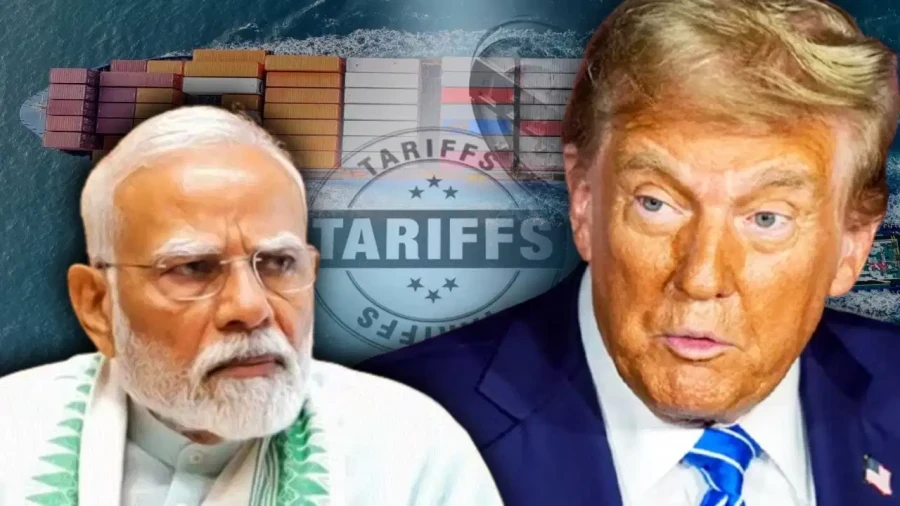
A major development is unfolding in the international trade arena, signaling the potential onset of a fresh trade war as the United States introduces new tariff proposals, while the US administration has officially put forward a proposal to impose up to 25 percent tariffs on seven countries, including India. The announcement of these proposed duty rates has created significant ripples across global trade corridors, raising concerns among key economic partners. Under the newly proposed tariff structures, economies such as India, Cambodia, Indonesia, South Korea, Malaysia, Taiwan, and Thailand are slated for tariffs of up to 25 percent. Plus, the sweeping plan includes a proposal to levy duties of up to 40 percent on imports originating from China, marking one of the highest rates outlined in this comprehensive announcement.
Under these new and stringent proposals from the Trump administration, India and six other economies could face substantial additional US duties. Washington is currently maintaining intense and close surveillance over its trading partners, driven by allegations that these nations are engaging in excessive overproduction. These proposed tariffs form an integral part of an extensive US trade investigation that encompasses a total of 14 major economies, including India, China, the European Union, and Japan. According to AFP, a senior US official disclosed that for several countries, this proposed duty could reach up to 20 percent, reflecting the administration's aggressive posture on global trade imbalances and manufacturing practices.
Washington's central accusation is that these targeted nations are expanding their production capacity and overall output far beyond actual market demand, while the US argues that such practices distort international markets and disadvantage domestic industries. These novel proposals are a core component of US President Donald Trump's broader strategy aimed at reshaping global trade relationships through the strategic deployment of tariffs and import duties, while concurrently, Washington is exerting continuous pressure on its trading partners, compelling them to either Importantly increase their purchases of American goods and commodities or alternatively transfer their manufacturing operations directly into the United States to support local economic growth and employment.
These tariff proposals, which explicitly incorporate these nations, come in the wake of months-long thorough investigations conducted by the United States regarding the alleged excess industrial capacity and production methodologies prevalent among its trading partners. The scope of this exhaustive inquiry spanned across Bangladesh, Cambodia, China, Indonesia, Japan, South Korea, Malaysia, Singapore, Switzerland, Taiwan, Thailand, Vietnam, and the economies of the European Union, alongside India. The senior US official noted that the proposal involving a 20 percent tariff on China stands out as one of the most prominent rates specified within this disclosure. Nevertheless, before these proposed tariffs are formally enacted and implemented, a comprehensive public consultation process will be conducted to review stakeholder feedback. The official further emphasized that the administration carefully took existing trade agreements and frameworks into account while formulating these policy proposals.