
- India,
- 22-Jul-2026 12:13 PM IST



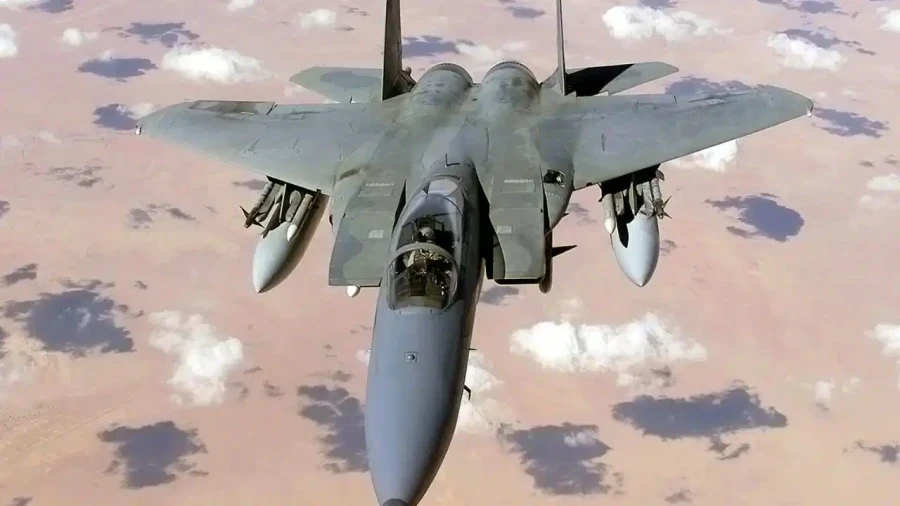
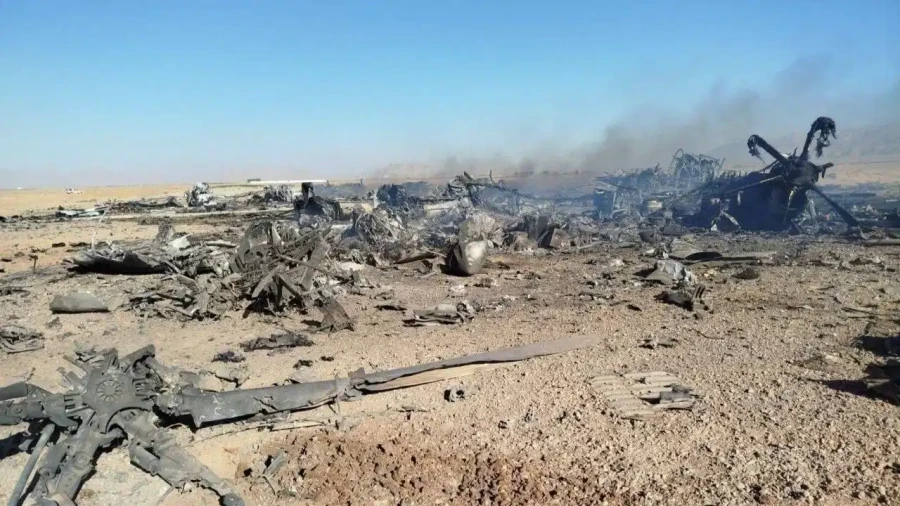
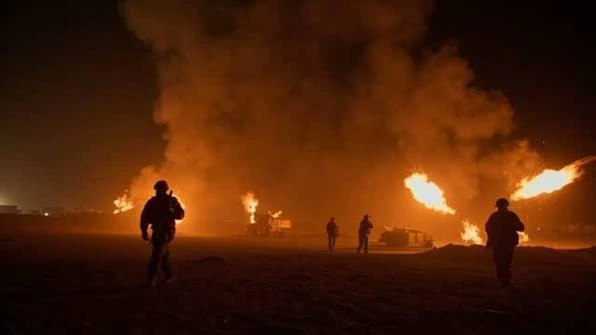
The United States military has Importantly escalated its air campaign against Iran, conducting a series of high-intensity air and missile strikes across five major Iranian cities during the early hours of Wednesday. According to official reports from Iranian authorities, the targeted locations included the strategic hubs of Chabahar, Konarak, Tabriz, Behbahan, and Omidiyeh. This latest wave of military operations marks the eleventh consecutive night of American strikes following the collapse of the previous ceasefire agreement, indicating a deepening of the conflict and a sustained military commitment by the US forces in the region.
Trump Issues Warning on Nuclear Sites
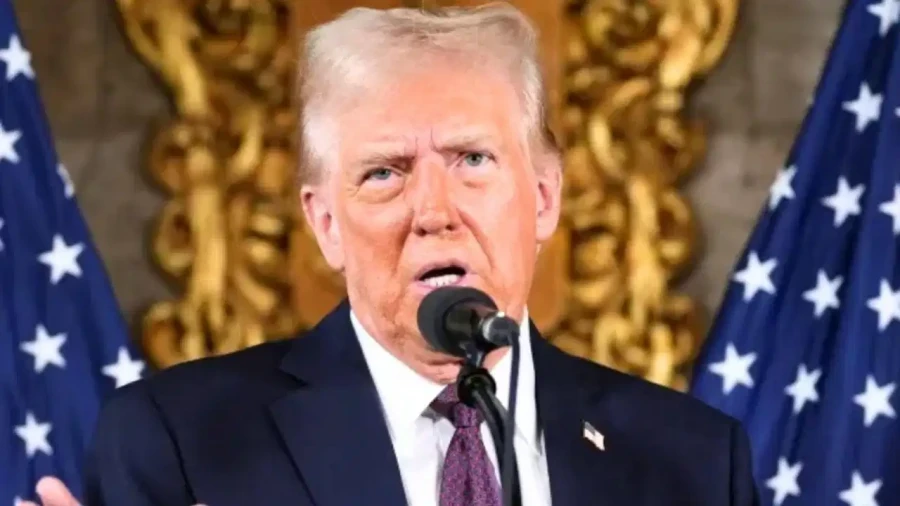
President Donald Trump has further heightened tensions by issuing a direct warning regarding Iran's nuclear infrastructure. The President stated that the United States is prepared to launch a very soon and very heavy attack on the Pickaxe Mountain site, which is suspected of being a critical underground nuclear facility. In response to this ultimatum from the White House, the Iranian government has issued a counter-warning, stating that if the American military strikes continue, they're prepared to expand the scope of the war across the entire Middle Eastern region. This exchange of threats has raised international concerns about the potential for a much larger and more destructive confrontation.
The Massive Financial Cost of the War
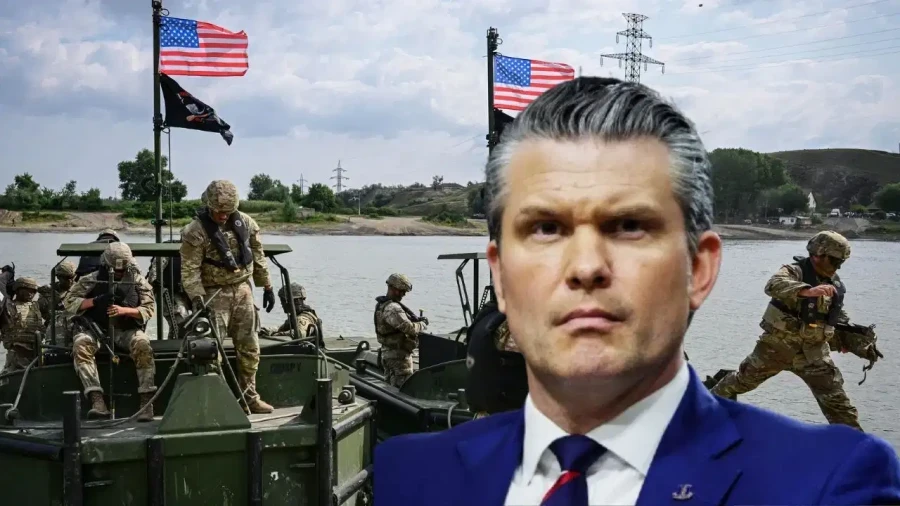
As the military engagement enters its second week of continuous strikes, US Defense Secretary Pete Hegseth has provided a detailed update on the financial burden of the conflict, while hegseth revealed that the total expenditure for the United States in this war has already reached 37 billion 500 million dollars. When converted, this amount stands at approximately 3 lakh 60 thousand crore rupees. This disclosure highlights the immense economic resources being utilized to sustain the ongoing air and missile campaign against Iranian targets, reflecting the high stakes involved for the American administration.
Marco Rubio on the Strategic Importance of the Hormuz Strait
US Secretary of State Marco Rubio has voiced serious concerns regarding the potential for Iranian control over the Strait of Hormuz. Speaking at a meeting of ASEAN foreign ministers in Manila, the capital of the Philippines, Rubio warned that allowing Iran to dominate this vital waterway would set an extremely dangerous precedent for global maritime security. He emphasized that if Iran is permitted to control the strait or impose its own conditions on passing vessels, the issue would transcend regional boundaries and become a global crisis. Rubio argued that such a development could encourage other nations to make similar claims over international maritime routes. He noted that prior to the outbreak of hostilities, the Strait of Hormuz was an open international passage for ships from all nations, but Iran now intends to use it as a strategic weapon to exert pressure, while rubio maintained that under international law, the strait remains a global maritime route and isn't the property of any single nation.
Reports of Iran Restoring Missile Capabilities
Despite the sustained and heavy bombardment by the United States and Israel, new intelligence suggests that Iran has managed to restore a significant portion of its missile strength. The Wall Street Journal, citing military experts and recent satellite imagery, reported on Tuesday that Iran has resumed operations at several of its underground missile bases. The report indicates that Iran isn't only rebuilding its damaged infrastructure but is also continuing to launch missile and drone attacks against US military positions and regional allies. This finding contradicts earlier statements from President Trump and other US officials who had claimed that the Iranian missile infrastructure had been severely crippled. The satellite data suggests that the Iranian military has demonstrated unexpected resilience and has been able to reactivate its capabilities much faster than Western intelligence had initially predicted.
Iranian Media Issues Nuclear Counter-Threat
The rhetoric from Tehran has also intensified, with the conservative Iranian newspaper Kayhan issuing a direct threat to the United States. On Wednesday, the publication warned that any American strike on the Pickaxe Mountain nuclear center or any other Iranian nuclear facility would be met with a reciprocal attack on US nuclear sites. The newspaper stated that if Iran's nuclear infrastructure is targeted, the Islamic Republic will implement its policy of deterrence based on the principle of tit for tat. It claimed that Iran would take advantage of its secret underground bases to launch devastating retaliatory strikes against American nuclear centers, further escalating the risk of a catastrophic nuclear-related confrontation between the two nations.