

- India,
- 26-May-2026 08:29 AM IST


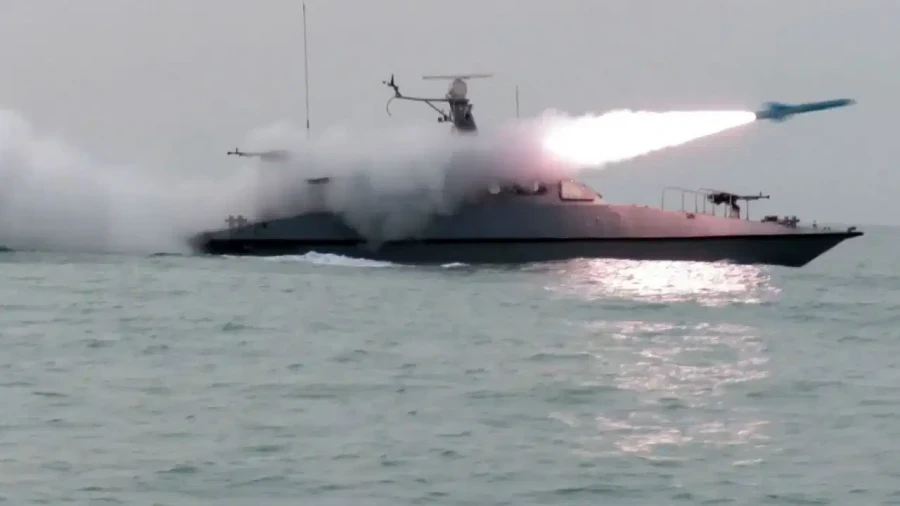
In a significant escalation of regional tensions, the United States military has launched targeted strikes against Iranian missile launch sites and naval vessels in the vicinity of the strategic Strait of Hormuz. This military action occurred despite an existing ceasefire agreement and ongoing diplomatic dialogues between Washington and Tehran. The United States has characterized these strikes as a necessary measure of self-defense, aimed at neutralizing immediate threats posed to American personnel stationed in the region.
Details of the Military Operation
The operation was carried out by the United States Central Command (CENTCOM) in Southern Iran. According to official reports, the strikes focused on specific locations identified as missile launch platforms that were positioned to target US forces. On top of that, the American military engaged and destroyed Iranian vessels that were reportedly attempting to deploy naval mines in the waters surrounding the Strait of Hormuz. This area is a critical maritime corridor for global energy supplies, making any military activity there highly sensitive.
Timothy Hawkins, a spokesperson for CENTCOM, provided further clarification on the necessity of the strikes. He stated that the American troops faced a direct and credible threat from the Iranian military forces, which prompted the decisive action in Southern Iran. Hawkins emphasized that the targets were specifically chosen to eliminate the capability of launching missiles against US assets and to prevent the disruption of maritime safety through the laying of mines.
Ceasefire Violations and Previous Tensions
While a ceasefire is technically in place, the United States maintains that it won't hesitate to take action to ensure the safety of its service members. This isn't the first instance of military friction during the current ceasefire period. Earlier in May, the US had conducted similar strikes against Iranian military installations. At that time, the US accused the Iranian military of launching unprovoked attacks using missiles, drones, and small fast-attack craft against American warships navigating the Strait of Hormuz. Following those incidents, President Donald Trump had granted the US military the authority to respond with force to any such provocations.
Trump's Ultimatum on Enriched Uranium
Parallel to the military developments, President Donald Trump has issued a stern ultimatum regarding Iran's nuclear program. The President declared that Iran must either hand over its entire stockpile of highly enriched uranium to the United States or see it destroyed. Trump suggested that the destruction of the material could take place within Iran or be moved to a secure secondary location for disposal. This demand marks a hardening of the US position on Iran's nuclear capabilities.
Writing on his social media platform, Truth Social, President Trump specified that any process involving the removal or destruction of the uranium must be conducted under the strict supervision of the Atomic Energy Commission or a similar international regulatory body. This follows his statements from the previous week, where he asserted that the United States wouldn't permit Iran to maintain possession of such materials under any circumstances.
The No Dust, No Dollars Policy
US officials have introduced a new diplomatic and economic framework referred to as No dust, no dollars. This policy dictates that Iran will receive no economic relief or benefit from any potential agreements until it successfully removes or destroys approximately 1000 pounds of enriched uranium. This amount, which is roughly equivalent to 453 kilograms, is seen by the US administration as a non-negotiable threshold for further diplomatic progress. The message from the White House is clear: economic cooperation is contingent upon the total elimination of Iran's enriched uranium threat.
