
- India,
- 30-Jun-2026 08:03 PM IST



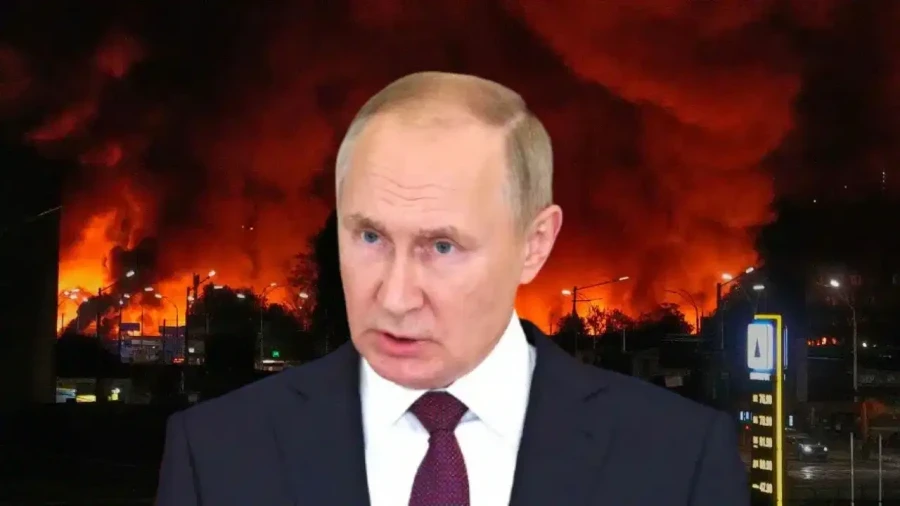
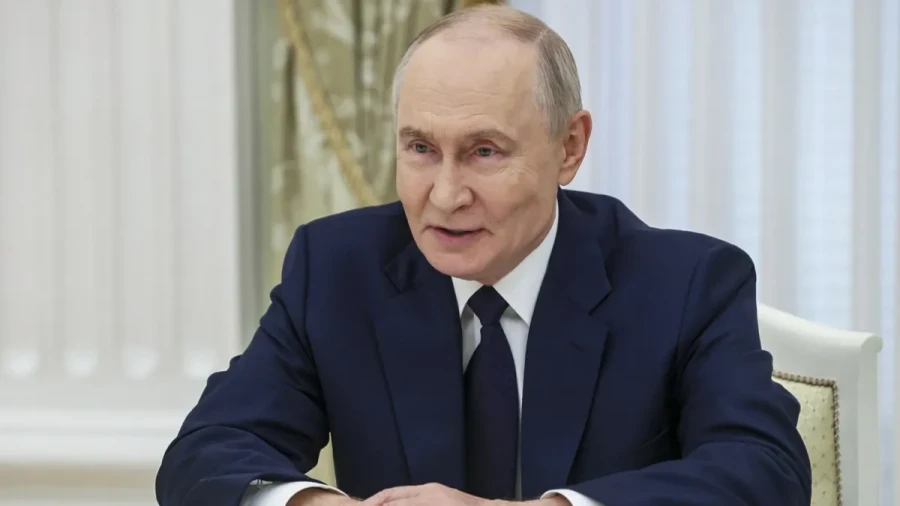
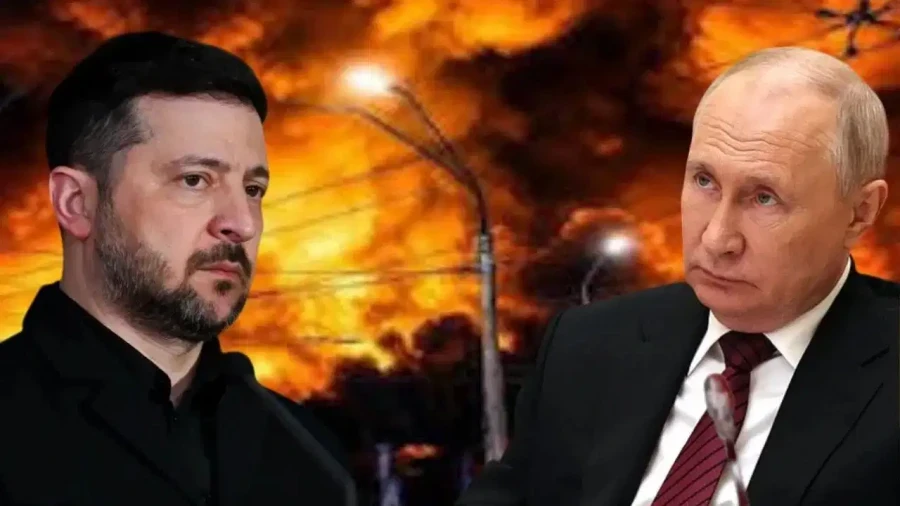
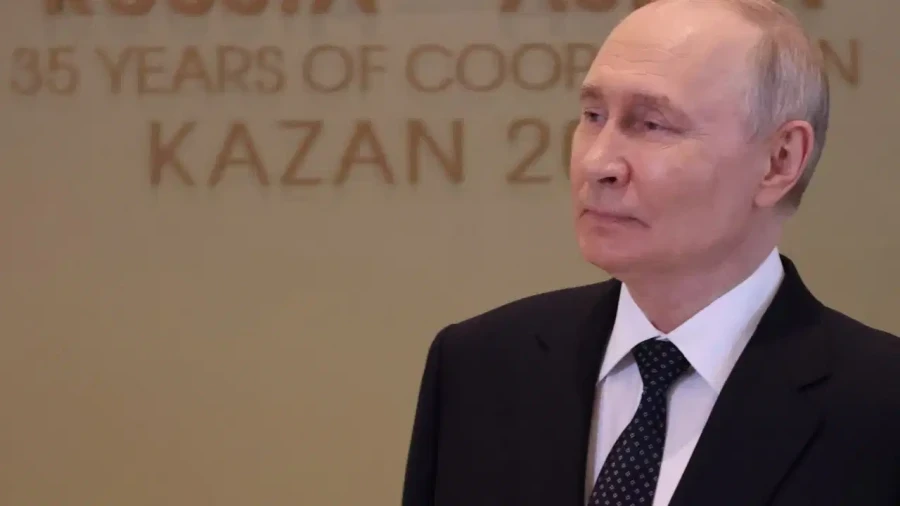
Russian President Vladimir Putin is preparing to take a significant political step by contesting the upcoming parliamentary elections in direct association with his party after a gap of 19 years. This decision comes at a time when the prolonged conflict with Ukraine, which has now exceeded 3 years, is beginning to manifest serious internal consequences within Russia. The impact of continuous Ukrainian drone strikes is no longer confined to the border regions but has reached major urban centers, including Moscow and St. Petersburg, leading to a palpable sense of unease among the Russian populace.
The Domestic Impact of the Conflict
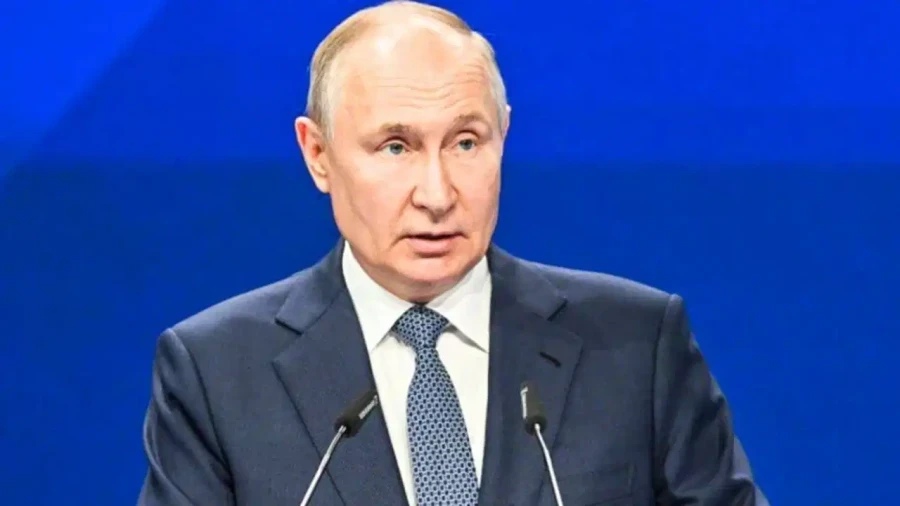
The ongoing war has triggered a series of domestic challenges that are testing the patience of the Russian citizens. Frequent drone attacks have disrupted essential services, leading to fuel shortages and intermittent internet blackouts across various regions. These disruptions, coupled with heightened security concerns, have fueled public dissatisfaction. President Putin recently acknowledged that these drone strikes have indeed increased the difficulties faced by the nation. However, he remains firm in his stance, asserting that Russia won't retreat from its conditions to end the war, signaling a continuation of the military campaign despite the internal pressure.
Political Strategy and the United Russia Party
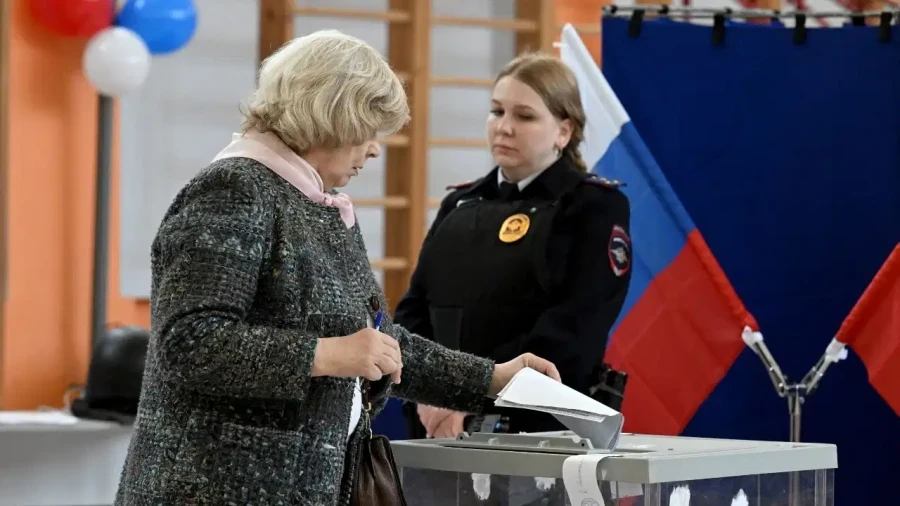
As the parliamentary elections scheduled for September approach, the Kremlin is facing the daunting task of managing public anger. Currently, the dissatisfaction of the people is primarily directed toward the ruling United Russia party rather than Putin himself. The party's popularity has seen a significant decline, with support ratings hovering around 30 percent. In an effort to bolster its standing, the party has decided to align itself more closely with the President's personal brand. ' During recent party meetings, slogans such as 'Being with Putin is the minimum responsibility' were prominently displayed, reflecting a strategy to benefit from Putin's image to regain voter trust.
Declining Public Trust and Survey Data
Despite the party's efforts to use Putin's popularity, recent data suggests that public confidence is waning. According to the FOM (Public Opinion Foundation), a survey institute closely linked to the Kremlin, Putin's trust rating has dropped to 69 percent. This figure represents the lowest level of trust recorded since the commencement of the war in 2022. This decline indicates that the prolonged nature of the conflict and the resulting daily hardships are beginning to take a toll on the President's once-unshakeable domestic support.
Rejection of Ceasefire Proposals
Experts point out that Ukraine has offered several proposals for a limited ceasefire, aimed at halting long-range drone and missile attacks. However, Vladimir Putin has consistently rejected these overtures. His rationale is rooted in the belief that any compromise or agreement at this stage would project an image of Russian weakness and potentially erase the strategic gains made during the war, while consequently, Putin appears committed to continuing the fight at any cost, which leaves little room for immediate peace prospects or a diplomatic resolution.
Growing Discontent and Future Challenges
The combination of internet shutdowns, fuel scarcity, and general economic strain has intensified the resentment among the Russian people. While expressing dissent in Russia remains a high-risk endeavor due to the potential for severe government crackdowns, the underlying frustration is becoming harder to ignore. Political analysts suggest that if the war continues to drag on and the logistical problems affecting daily life persist, the government may find it increasingly difficult to maintain control over the domestic narrative and public order in the coming months.