
- India,
- 31-Jul-2026 07:51 PM IST



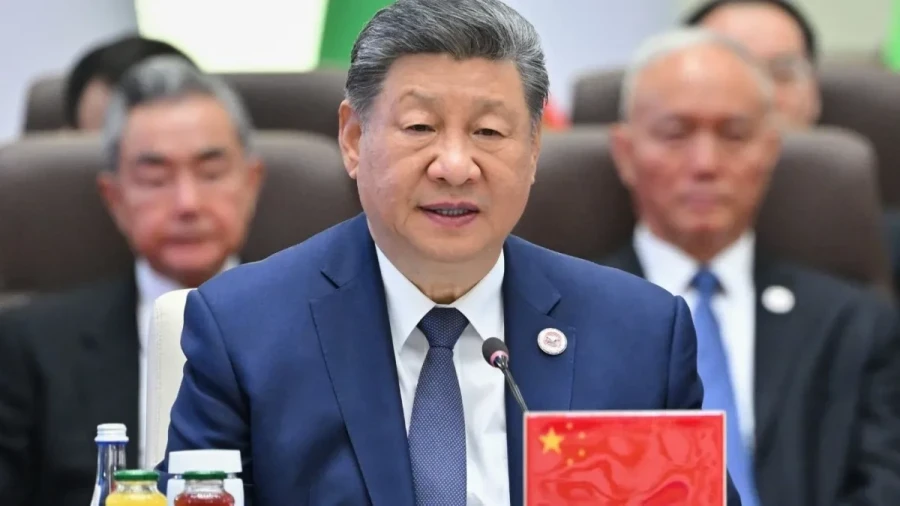
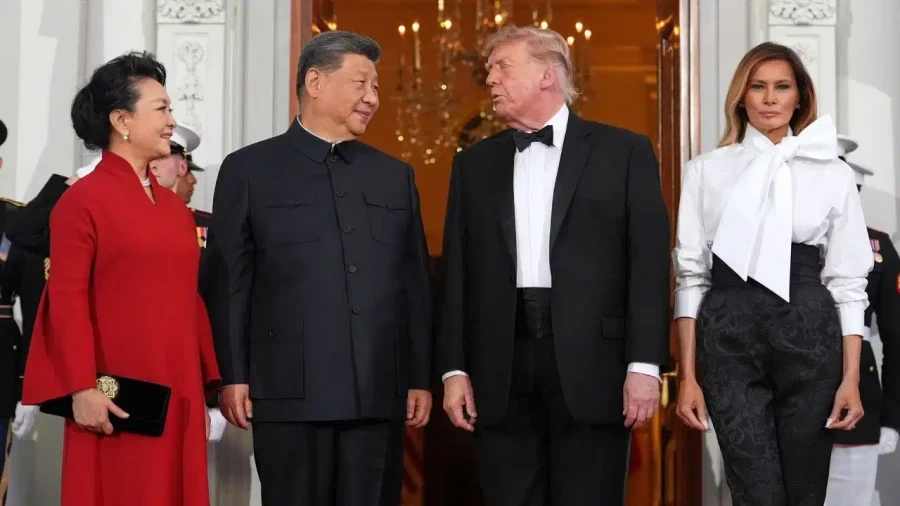
The diplomatic landscape between India and China is witnessing a significant development as reports suggest a potential visit by Chinese President Xi Jinping to India. The relationship between the two neighboring nations has historically been complex, often described as a mix of bitterness and sweetness, or as the saying goes, sometimes like neem and sometimes like honey. This upcoming visit is particularly noteworthy as it would be the first time President Xi Jinping sets foot on Indian soil since the Galwan Valley clash, which Notably strained bilateral ties. India has officially extended an invitation to the Chinese leader, and the reasons behind this move are rooted in multilateral cooperation and regional stability.
The BRICS Summit and India's Presidency
President Xi Jinping is expected to arrive in India this September to participate in the BRICS Summit. According to various sources, there is a strong possibility of the Chinese President attending the summit in person, especially since China has expressed its support for the BRICS proceedings under India's presidency. The high-profile BRICS Summit is scheduled to take place on September 12 and September 13 in the capital city of New Delhi. While the official announcement regarding the visit is still awaited, it's confirmed that India has already dispatched the formal invitation to the Chinese President for this crucial gathering of emerging economies.
A Historic Visit Post-Galwan Standoff
If President Xi Jinping's visit to India proceeds as planned, it will be regarded as a landmark and historic event. This would mark his first trip to India following the violent Galwan clash and the subsequent military standoff along the Line of Actual Control (LAC). The visit would also be his first to the country since October 2019, ending a long hiatus in high-level state visits between the two nations. The geopolitical significance of this visit can't be overstated, as it comes after a period of intense tension and prolonged military deployment on both sides of the border.
Tracing the History of Xi Jinping's India Visits
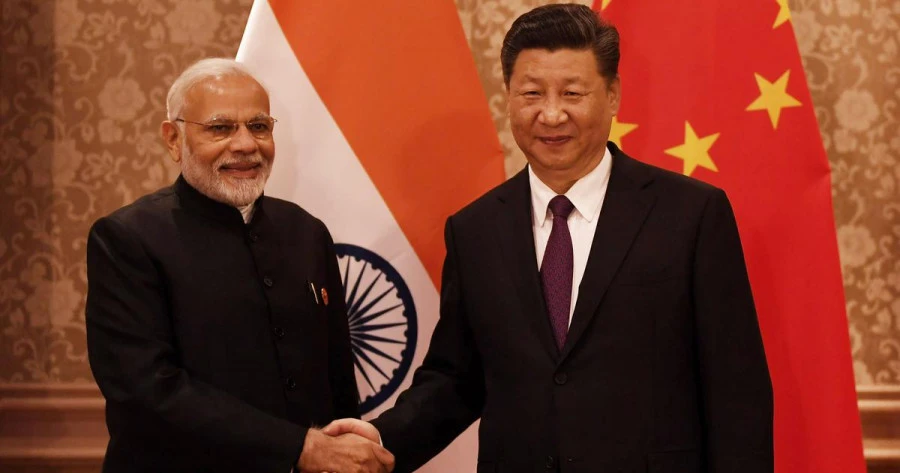
Looking back at the history of his visits, President Xi Jinping's last trip to India occurred on October 11 and October 12 in 2019. During that time, he visited Mahabalipuram in Tamil Nadu for the second informal summit with Prime Minister Narendra Modi. This meeting followed the successful Wuhan Summit and was aimed at strengthening personal rapport between the two leaders. However, approximately six months after that visit, the relationship hit a major roadblock due to Chinese military incursions in the Ladakh sector of the LAC, while this led to the lowest point in India-China relations in the last six decades, resulting in a long-term military standoff that persists in various forms. Prior to the 2019 visit, Xi Jinping had undertaken a state visit to India in September 2014, during which he traveled to Ahmedabad and New Delhi. Since 2019, he has not visited India, although he and Prime Minister Modi have continued to interact on the sidelines of multilateral platforms such as BRICS, the Shanghai Cooperation Organization (SCO), and the G20.
Prime Minister Modi's Recent Engagements and China Visit
On the other side of the diplomatic exchange, Prime Minister Narendra Modi visited China last year from August 31 to September 1, 2025, to attend the Shanghai Cooperation Organization (SCO) Summit held in Tianjin. This was the Prime Minister's first visit to China in nearly seven years. Before this 2025 visit, PM Modi had traveled to China in 2018 for the Wuhan informal summit and in 2019 for the BRICS Summit. These exchanges highlight the ongoing effort to maintain communication despite the underlying border issues.
Recent High-Level Meetings and Diplomatic Thaw
The most recent bilateral meeting between Prime Minister Narendra Modi and President Xi Jinping took place in October 2024 in Kazan, Russia. This meeting was significant as it occurred shortly after both sides reached an agreement to resolve the military standoff along the LAC. On top of that, the two leaders recently held discussions during the SCO Summit in Tianjin in August. These interactions suggest a gradual movement towards diplomatic engagement, making the potential September visit to New Delhi a critical juncture for the future of India-China relations.