

- India,
- 13-Nov-2025 05:30 PM IST


The Supreme Court of India has voiced profound concern over the escalating and hazardous levels of air pollution plaguing Delhi and the National Capital Region (NCR), while on Thursday, the apex court made a stark observation, stating that the air pollution in Delhi-NCR has become so severe that even wearing masks is no longer adequate to protect against its harmful effects. This powerful statement underscores the critical nature of Delhi's deteriorating air quality, which is having a profound impact on the health and daily lives of its residents.
Inadequacy of Masks and Call for Virtual Hearings
Justice P. S. Narasimha made these significant remarks during the hearing of a case on Thursday. When several senior advocates, including Kapil Sibal, appeared in court in person, Justice Narasimha questioned their physical presence, reminding them of the availability of virtual hearing facilities. He urged the lawyers to use these facilities for their safety, while in response, Sibal mentioned that they were using masks. Justice Narasimha promptly retorted, stating, "Masks are also not enough. " He further indicated that he would discuss the matter with the. Chief Justice, signaling the judiciary's serious consideration of this pressing environmental crisis.
Grave Health Implications of 'Severe' AQI
An AQI in the 'severe' category poses serious health risks even for healthy individuals. It can particularly and severely affect those with pre-existing respiratory or cardiovascular problems, while the fine particulate matter present in the air can penetrate deep into the lungs, exacerbating various respiratory ailments such as asthma, bronchitis, and other lung-related issues. For heart patients, this situation can be perilous, as polluted air can increase the risk of heart attacks and strokes. Children and the elderly are also particularly vulnerable to the adverse effects of such high levels of pollution, experiencing symptoms like coughing, shortness of breath, and irritation in the eyes and throat.
Air Quality Remains in 'Severe' Category for Third Consecutive Day
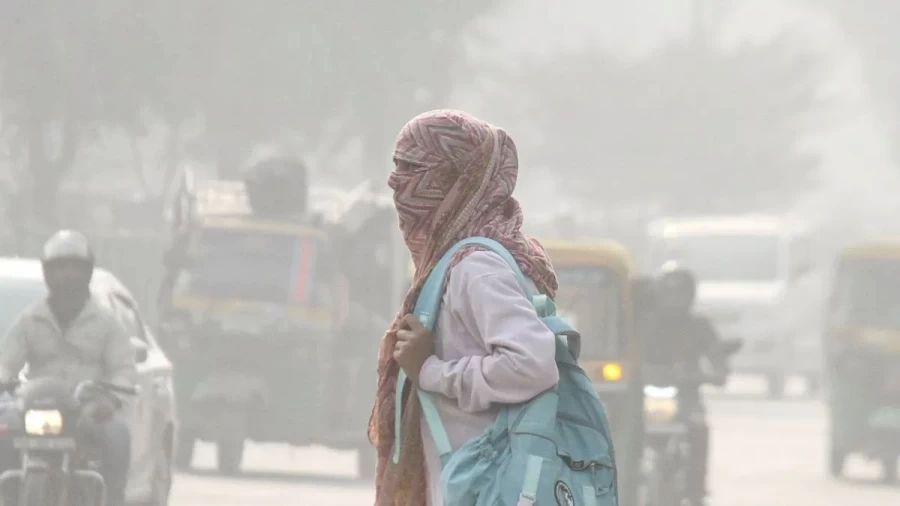
The Supreme Court's sharp comments came as Delhi was enveloped in a thick blanket of smog on Thursday morning. The city's air quality has remained in the 'severe' category for the third consecutive day, a classification that denotes extremely harmful conditions for human health. According to the morning air quality bulletin released by the Central Pollution. Control Board (CPCB), Delhi's overall Air Quality Index (AQI) was recorded at 404. This figure falls squarely within the 'severe' category, indicating an alarmingly high concentration of pollutants in the air.
Drastic Reduction in Visibility
The air pollution situation in the capital and surrounding cities has become so critical that it has led to a drastic reduction in visibility. On Thursday morning, buildings and roads were barely discernible, severely impacting traffic and general public life. A thick layer of haze had engulfed the entire city, making it difficult for people to venture outdoors and causing discomfort such as eye irritation and breathing difficulties. This condition not only poses a significant health hazard but also disrupts daily activities, leading to slower commutes and potential safety concerns on roads.
Pollution Levels Across Various Delhi Localities
CPCB data revealed that 27 out of 37 monitoring stations in Delhi reported AQI levels in the 'severe' category. Pollution levels in several key areas were particularly alarming. These included Burari (433), Chandni Chowk (455), Anand Vihar (431), Mundka (438), Pusa (302), Bawana (460), and Wazirpur (452). These figures indicate that almost every corner of Delhi is grappling with this severe air crisis, while high pollution levels are expected in congested and industrial areas like Anand Vihar, but the situation remains critical even in other residential and commercial zones, highlighting the widespread nature of the problem.
Temperature and Weather Conditions
On Thursday, the minimum temperature was recorded at 10. 6 degrees Celsius, which is 2. 9 degrees below the seasonal average, while the maximum temperature is expected to hover around 27 degrees Celsius. Cold weather conditions combined with slow wind speeds trap pollutants closer to the ground, exacerbating the smog and pollution situation. Weather experts suggest that until there is an improvement in wind speed or a significant change in weather patterns, the air quality in Delhi is unlikely to improve. Consequently, residents of Delhi may continue to face these severe. Conditions in the coming days, necessitating continued precautions and vigilance.
