
- India,
- 05-Jun-2026 12:39 PM IST



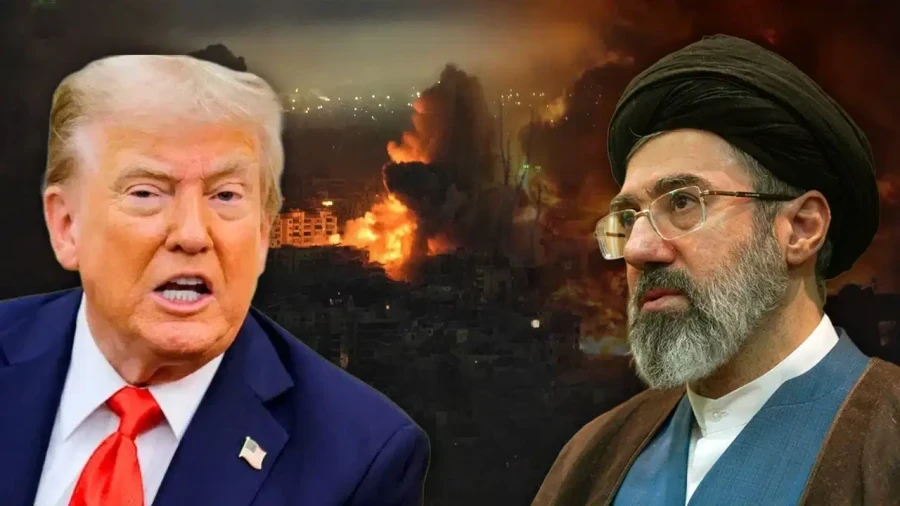
The diplomatic efforts aimed at halting the ongoing conflict in Lebanon have encountered a significant obstacle, casting a shadow over the prospects of immediate regional stability. Hezbollah, the Iran-backed organization, has officially rejected the latest ceasefire proposal supported by the United States. This development comes at a critical juncture as Israel has simultaneously made it clear that it has no intentions of withdrawing its military forces from Lebanese territory. S. President Donald Trump in a precarious position, complicating the broader goal of establishing a lasting agreement with Iran.
Hezbollah's Exclusion from Negotiations
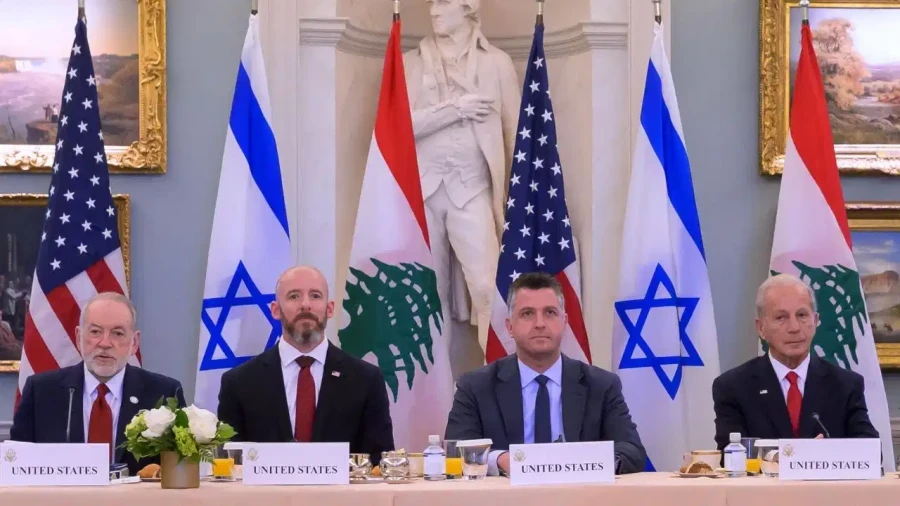
A primary reason for the current deadlock appears to be the structure of the negotiations themselves. The ceasefire agreement was primarily discussed and formulated between the Israeli government and the Lebanese state authorities. However, Hezbollah wasn't a direct participant in these high-level discussions. Consequently, the group has refused to acknowledge or abide by the terms of the deal, asserting that they weren't part of the process that led to its creation. As of now, there has been no immediate official response from either the Israeli government or the Lebanese administration regarding Hezbollah's public rejection of the terms.
Trump's Optimism Amidst Conflict
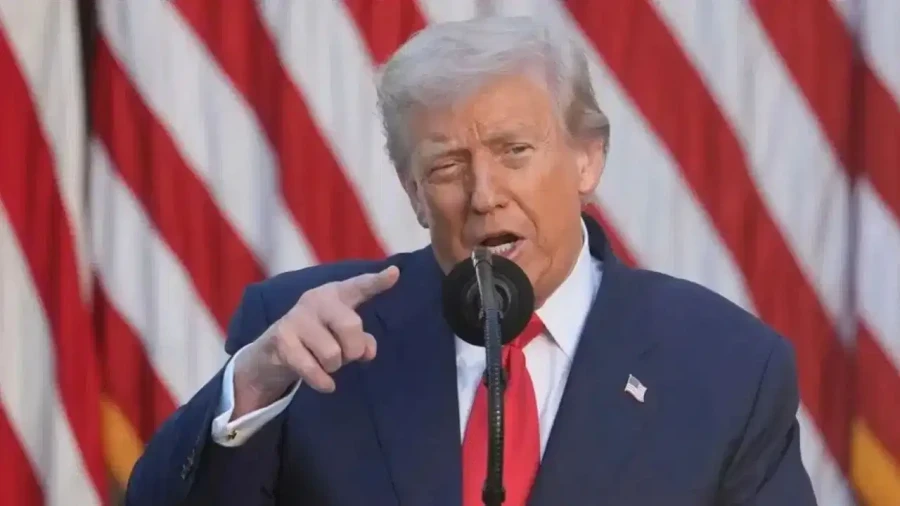
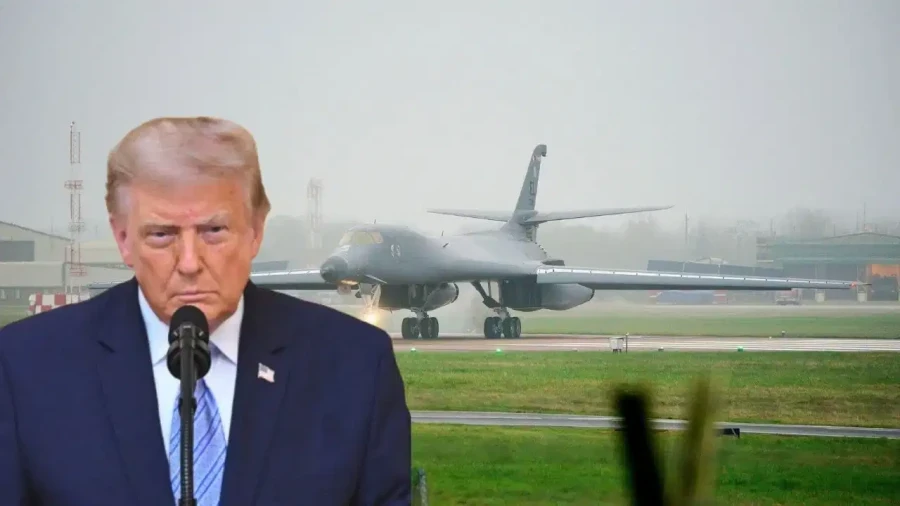
Despite the visible friction on the ground, President Donald Trump has maintained a degree of optimism regarding the situation. Speaking from Washington, Trump indicated that there is some level of progress being made toward achieving peace in Lebanon. He emphasized that the conflict has persisted for an excessively long duration and stated firmly that the people of Lebanon deserve to live in peace. Trump's comments suggest a continued push from the American administration to mediate a solution, even as the primary actors in the conflict remain at odds over the fundamental conditions of a ceasefire.
Israel's Military Stance and Defense Policy
The reality on the battlefield, however, presents a starkly different picture from the diplomatic rhetoric, while israel continues to conduct intensive aerial and ground military operations across southern Lebanon. Israeli Defense Minister Israel Katz has been vocal about the nation's military strategy, asserting that the Israel Defense Forces won't retreat from Lebanon. Katz clarified that the military campaign won't be halted, reinforcing the stance that Israel intends to maintain its operational presence to achieve its security objectives. This military action in Lebanon was intensified following the escalation of tensions with Iran in March, leading to a sustained campaign that shows no signs of immediate cessation.
Iran's Demands and Regional Impact
The geopolitical dimensions of the conflict are further complicated by the demands issued by Iran. The commander of the Quds Force, an elite branch of Iran's Revolutionary Guards, has set forth specific conditions for any potential de-escalation. According to the Iranian leadership, Israel must, at the very least, withdraw its forces to the positions they occupied prior to the commencement of the current hostilities. This demand highlights the deep-seated divisions between the warring parties regarding territorial control and military positioning.
Widespread Hostilities Continue
While the United States continues its mediation efforts, the cycle of violence remains unbroken across several fronts, while reports indicate that despite the talk of a ceasefire, military strikes and exchanges of fire are still occurring in Lebanon, Gaza, Northern Israel, and even Kuwait. President Trump recently acknowledged the complexity of the situation, noting that while a state of total peace has not yet been achieved, the intensity of the gunfire has seen some reduction compared to previous levels, while nevertheless, the continued military activity across these regions underscores the difficulty of implementing a comprehensive peace plan in such a volatile environment.