
- India,
- 05-Oct-2026 07:43 PM IST



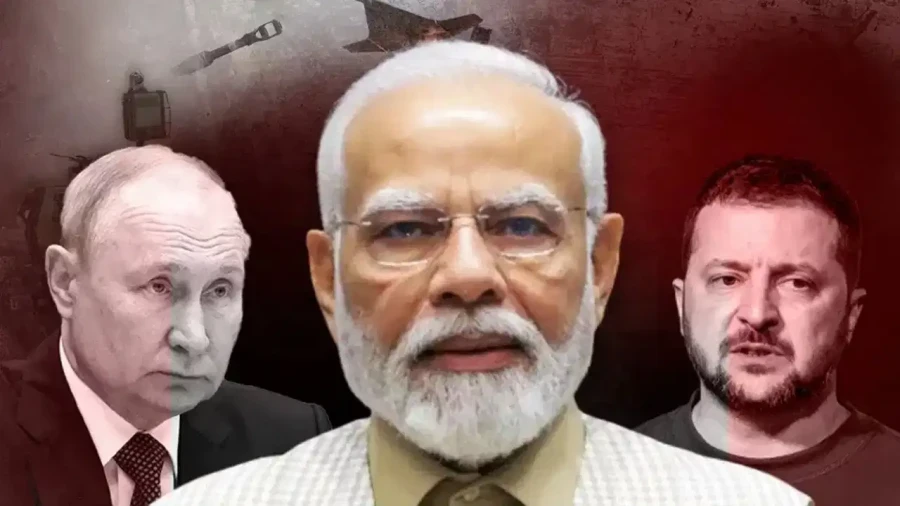
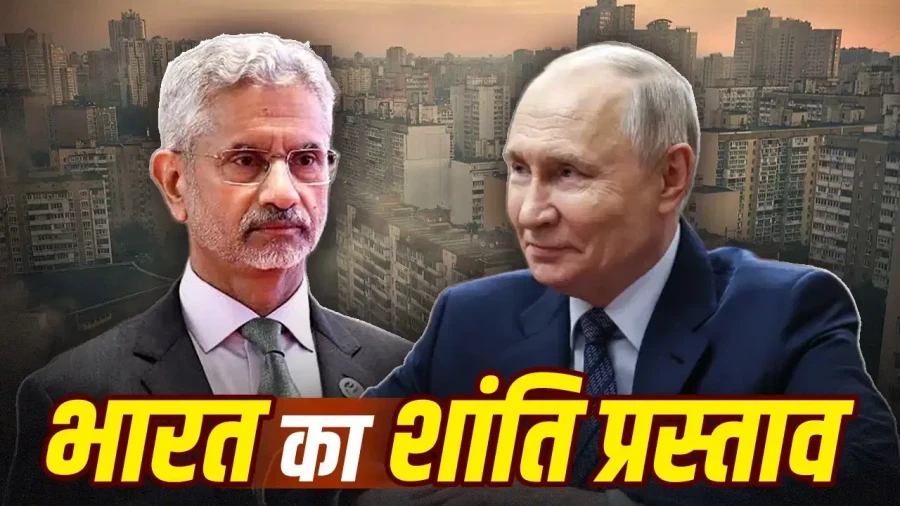
In the midst of the ongoing conflict between Russia and Ukraine, which has now persisted for nearly 5 years, India has emerged with a significant new peace initiative. This diplomatic move has gained substantial international attention, particularly after Ukrainian Foreign Minister Andrii Sybiha described the Indian proposal as the most impactful among the four major peace plans currently on the table. The conflict, which has seen various mediation attempts from global powers including the United States, has yet to find a permanent resolution. However, India's latest intervention is being viewed as a pragmatic step toward de-escalation.
The Core of India's Peace Strategy
India's proposal is distinct because it doesn't merely call for an immediate cessation of hostilities but focuses on building consensus on critical underlying issues first. The strategy is structured as a two-stage process. In the first phase, the focus is on reaching agreements on specific, immediate concerns where both parties might find common ground. Once these smaller but vital issues are addressed, the plan envisions moving toward a comprehensive and permanent peace settlement. This incremental approach is designed to build trust between the warring nations, which has been entirely absent since the start of the war.
Five Key Pillars of the Indian Proposal
The Indian peace plan is built upon five fundamental points that address the most pressing humanitarian and economic concerns of the conflict. First, it emphasizes the cessation of attacks on energy infrastructure. The targeting of power grids and energy hubs has caused immense suffering, and India proposes an immediate halt to such strikes, while second, the plan prioritizes the safety of civilians, demanding an end to attacks on residential areas and non-combatants. Third, it focuses on restoring normalcy in the Black Sea. This region is a vital maritime corridor for trade, and India suggests resuming regular activities to stabilize global supply chains, while fourth, the proposal aims to open a reliable channel for dialogue by securing agreements on these smaller issues first. Finally, the fifth point involves transitioning from these initial agreements toward a structured negotiation for long-term, sustainable peace.
Comparison with US, Turkey, and Egypt
The Ukrainian Foreign Minister highlighted that India's proposal stands out when compared to those offered by the United States, Turkey, and Egypt. While the US proposal primarily focuses on preventing attacks on the energy sectors of both Russia and Ukraine, and the initiatives from Turkey and Egypt are largely centered on restoring the movement of grain and agricultural products through the Black Sea, India's plan is seen as more comprehensive. By combining energy security with maritime stability and civilian protection, India has presented a broader framework. Ukraine has described this approach as both practical and wide-ranging, noting that it addresses the immediate needs of the population while keeping the door open for political resolution.
The Strategic Importance of the Black Sea
A significant portion of India's proposal revolves around the Black Sea, which remains the most critical maritime route for Ukraine's trade and grain exports. The war has severely disrupted shipping in this region, leading to global food security concerns. India's emphasis on restoring safe passage for vessels isn't just about stopping the fight; it's about reviving the economic lifeblood of the region. By ensuring that ports and shipping lanes remain operational and free from attack, the proposal seeks to mitigate the global economic fallout of the war.
Diplomatic Efforts and the Path Ahead
The groundwork for this proposal was laid during high-level diplomatic engagements, including External Affairs Minister S, while jaishankar's visit to Ukraine. During his meetings with President Zelenskyy and Foreign Minister Andrii Sybiha, Jaishankar emphasized India's consistent stand that solutions must be found through dialogue and diplomacy. While Russia has shown some positive signals regarding India's peace efforts, the ultimate success of the plan depends on the willingness of both Moscow and Kyiv to compromise. The biggest challenge remains the core issues of territorial integrity, occupied regions, and long-term security guarantees. However, if both nations can agree on the smaller steps outlined by India, it could provide the necessary momentum to end the 5 year long war.