
- India,
- 24-Jun-2026 03:25 PM IST



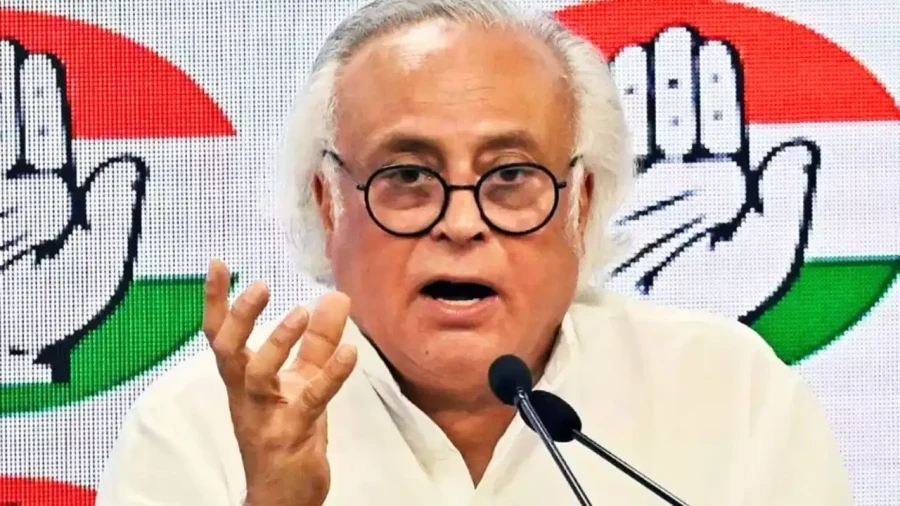
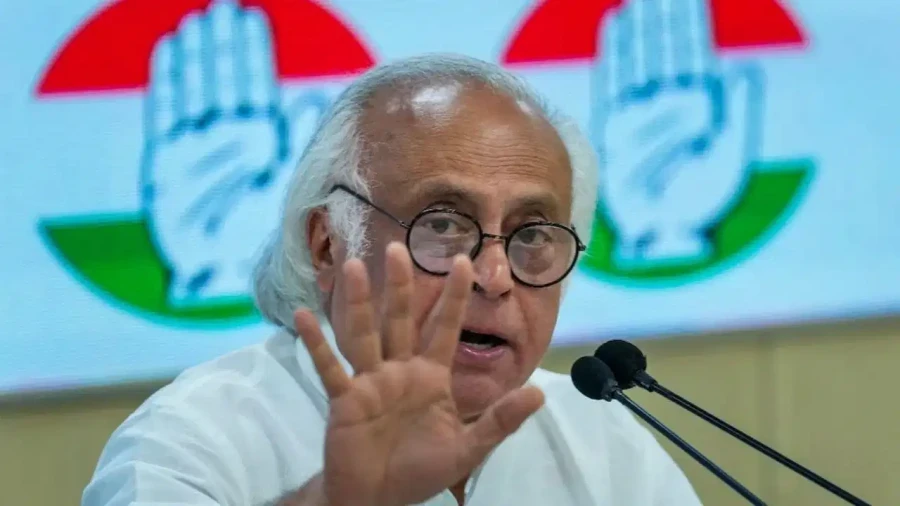
Congress General Secretary Jairam Ramesh has sparked a significant political debate by stating that leaders who defected to the Bharatiya Janata Party (BJP) should never be allowed back into the Congress fold. During an extensive interview with PTI, Ramesh addressed the ongoing discussions regarding the return of former Congress members, particularly in the context of recent political shifts observed in states like West Bengal and Maharashtra. He articulated a stern position, suggesting that re-admitting such opportunistic individuals would be a regressive step for the party.
The Stance on Defectors
Ramesh emphasized that it would be shameful for the Congress party to even contemplate the return of those who left after reaping the benefits of power and high-ranking positions within the organization, while he noted that over the past 12 years, several prominent figures have transitioned to the BJP, a move he views as a betrayal of the party's core values. While he acknowledged that his views represent his personal opinion, they highlight a deep-seated resentment within the party against those who abandoned it during challenging times.
Focus on Young Leaders
The Congress leader specifically pointed towards the younger generation of leaders who were once considered the future of the party. Names like Jyotiraditya Scindia, Jitin Prasada, and Milind Deora were mentioned as examples of individuals who held significant influence and were close to the Gandhi family, particularly former party president Rahul Gandhi. Ramesh expressed disappointment that these leaders, despite being given ample opportunities and responsibilities, chose to join a political entity that stands in direct ideological opposition to the Congress.
Ideological Commitment vs. Opportunism
According to Ramesh, the events of the last 12 years have served as a litmus test for ideological loyalty. He argued that those currently remaining in the Congress are the ones truly committed to its principles. He criticized the defectors for choosing the comforts of power over ideological consistency. He remarked that it's unfortunate when individuals who have enjoyed the fruits of the party's labor decide to switch sides for personal gain. He reiterated that the party should focus on those who have stood firm rather than looking back at those who walked away.
Political Implications
The timing of Ramesh's statement is crucial as rumors of potential homecoming of certain leaders often circulate in political circles. By labeling the idea of their return as shameful, Ramesh has set a high bar for any future reconciliation. He pointed out that after joining the BJP, many of these leaders have not only praised Prime Minister Narendra Modi's leadership but have also been vocal in their criticism of the Congress leadership. This dual act of desertion and subsequent attack makes their return even more unpalatable for loyalists like Ramesh.
- Jairam Ramesh calls the return of defectors shameful.
- Focuses on leaders like Scindia, Prasada, and Deora.
- Highlights the ideological betrayal after 12 years of party support.
- Clarifies that this is a personal stance against opportunism.
So, to wrap up, Jairam Ramesh's remarks serve as a stern warning to those who might be considering a return to the Congress. He believes that the party must maintain its integrity by standing with those who remained loyal during its most difficult phases, rather than welcoming back those who sought greener pastures elsewhere.