
- India,
- 29-Sep-2026 01:17 PM IST



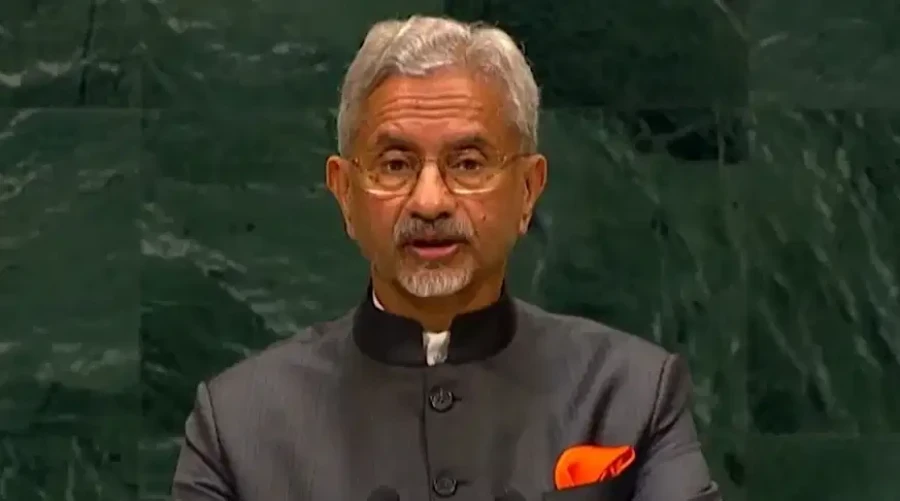
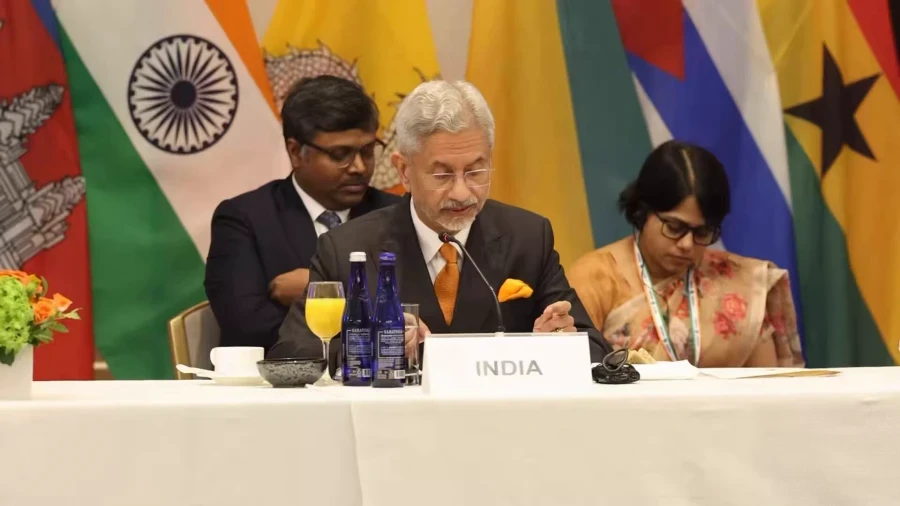
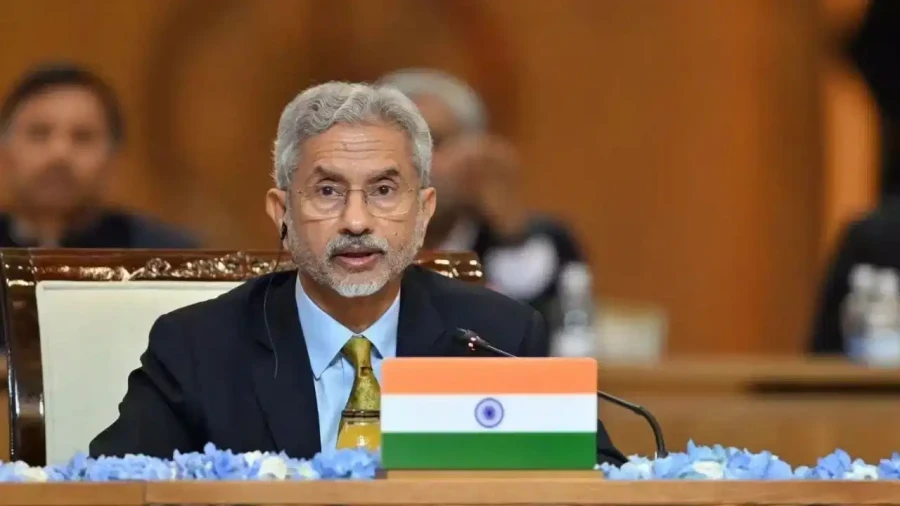
External Affairs Minister Dr. S. Jaishankar addressed the Asia Society in New York at the conclusion of the United Nations High-Level Week. During his speech, he provided a sobering assessment of the current global landscape, describing it as increasingly challenging and complex. Dr. Jaishankar emphasized that the world is becoming more difficult with each passing day and noted that the direction of global affairs is primarily being determined by large and powerful nations.
The Reality of a Difficult World
Addressing a gathering that included members of the Indian-American community, the Indian diaspora, and various policy experts, the External Affairs Minister pointed out that the global situation appears quite grim. He highlighted that there are currently two major conflicts occurring simultaneously, and the repercussions of these conflicts are being felt by every nation across the globe. Specifically, he mentioned the ongoing tensions in the Middle East, which he also referred to as West Asia, stating that the situation there remains extremely difficult. Also, he drew attention to the various conflicts taking place across the African continent, with a particular focus on the crisis in Sudan, while noting that other regions are also facing similar struggles.
The 4F Crisis and Global Challenges
Dr. Jaishankar elaborated on a concept he had previously introduced during his speech at the General Assembly, which he termed the 4F crisis. This crisis encompasses four critical areas that a large portion of the world is currently grappling with: Food, Fuel, Fertilizer, and Finance. He explained that these four elements are essential for the stability and growth of nations, yet they're currently under significant strain due to global instability. In addition to the 4F crisis, the minister pointed out that vulnerabilities in global supply chains are increasing, making it harder for countries to maintain economic consistency. He also noted that the Sustainable Development Goals (SDG) are falling behind schedule, and there is a growing sense of concern regarding the rapid advancements and implications of technology.
Complexity of India-US Trade Relations
During a conversation with former American diplomat Daniel Russel, Dr. Jaishankar touched upon the intricacies of trade negotiations between India and the United States. He remarked that the ground reality of these discussions is far more complex than it might appear on the surface. He stated that while a stage has been reached where there is more or less a consensus on a trade agreement, the actual implementation and finalization are hindered by the differing economic structures of the two nations. India's economic framework is characterized by a vast number of small-scale producers, agricultural stakeholders, and various factories, which stands in stark contrast to the economic model of the United States. This fundamental difference makes trade talks particularly challenging.
The Need for Patience and Precision
The External Affairs Minister concluded that completing trade negotiations requires an immense amount of patience and a meticulous focus on minute details. He admitted that the inherent complexities of these discussions have tested the expectations for rapid progress. The differences in how both economies are organized mean that every aspect of a trade deal must be carefully scrutinized to ensure it serves the interests of all parties involved, especially the millions of small producers in India who form the backbone of its economy.