
- India,
- 20-Jun-2026 09:16 AM IST
- (Updated 20-Jun-2026 10:26 AM IST)



The common man might soon face another blow to their household budget as milk prices are projected to rise once again. Just a few weeks after major dairy players like Amul and Mother Dairy increased their prices across the country, industry experts are warning of a further hike due to the potential impact of the El Nino weather pattern. According to dairy industry officials, milk prices have already seen an uptick of 2 to 3 percent in the month of May. However, the situation could worsen if El Nino leads to deficient rainfall, resulting in a severe shortage of fodder for cattle. If milk production is Importantly affected by these environmental factors, consumers could see prices climbing even higher by July or August.
The Link Between Rainfall and Milk Production
The dairy industry operates on a delicate balance where environmental conditions directly dictate supply and pricing. Typically, when rainfall is below average, farmers face a dual crisis of fodder and water scarcity, while to manage these rising costs and limited resources, many farmers are forced to reduce the size of their cattle herds. This reduction in the number of milch animals leads to a direct drop in total milk production. As the supply of raw milk decreases in the market, dairy companies are left with no choice but to pass on the increased procurement costs to the end consumers. This cyclical pattern is what experts fear might unfold in the coming months if the monsoon doesn't perform as expected.
Industry Projections and Regional Impact
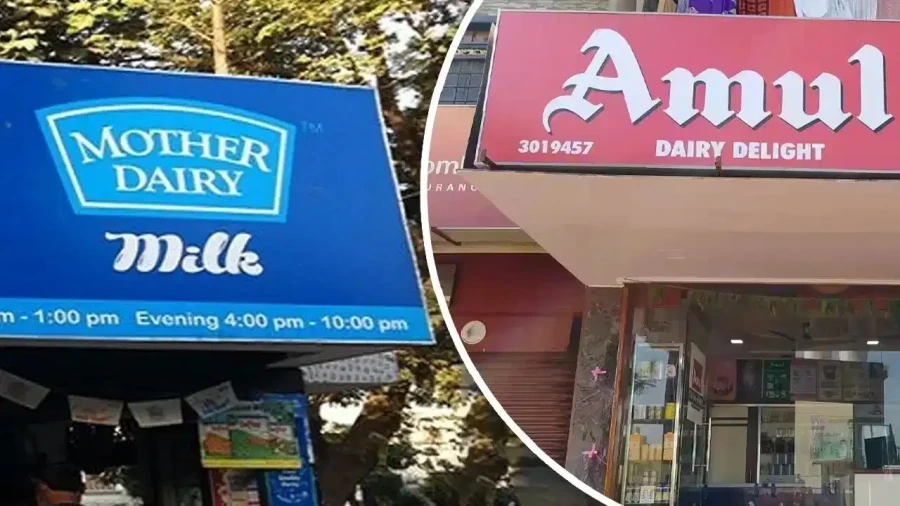
Major dairy companies including Amul, Mother Dairy, and Parag Milk Foods have already implemented a price increase of 2 to 3 percent in May. Devendra Shah, the Chairman of Parag Milk Foods, which owns popular brands like Go Cheese and Gowardhan, stated in a report that milk prices have already risen by approximately 2 to 3 percent. He further warned that if rainfall remains below normal in the primary milk-producing regions, there could be an additional increase of 3 to 4 percent by July. Meanwhile, in Tamil Nadu, the dairy cooperative Avin has already reduced its supply amidst the ongoing heatwave, highlighting the immediate pressure on the dairy supply chain due to extreme weather conditions.
Government Advisory and Preventive Measures
In response to the looming threat, the Maharashtra government has taken proactive steps by advising farmers to increase fodder production. Kiran Patil, the Animal Husbandry Commissioner of Maharashtra, mentioned that the possibility of a fodder shortage in the near future due to El Nino can't be ruled out. He emphasized that to ensure this situation doesn't adversely affect livestock and milk production, all cattle rearers in the state must remain vigilant and start planning their fodder crops immediately. Many dairy companies are also reportedly working closely with cattle rearers to develop strong fodder management plans to mitigate the impact of potential shortages.
Stance of Amul and Mother Dairy
Despite the concerns, some major players are adopting a wait-and-watch approach, while amul, owned by the Gujarat Cooperative Milk Marketing Federation (GCMMF), stated that it will assess the progress of the monsoon before forming a definitive opinion. Jayen Mehta, the Managing Director of GCMMF, noted that there is no immediate impact of El Nino on milk availability. He pointed out that the effects of low rainfall are usually confined to specific regions rather than affecting the entire country simultaneously. Similarly, Mother Dairy is closely monitoring the situation in its procurement areas. Jayatirtha Chari, the Managing Director of Mother Dairy, stated that the company is keeping a close eye on activities across its procurement network on a state-by-state basis and is working on appropriate preventive measures wherever necessary to stabilize the supply chain.