
- India,
- 30-May-2026 08:25 AM IST



Residents of Mumbai and its neighboring regions are facing another blow of inflation as Mahanagar Gas Limited (MGL) announced a fresh hike in the prices of Compressed Natural Gas (CNG) and Piped Natural Gas (PNG). This price revision comes as a significant update for millions of commuters and households in the Mumbai Metropolitan Region. The new rates have officially come into effect from the midnight of May 29 and May 30, meaning consumers will have to pay the increased prices starting Saturday.
Details of the Price Revision
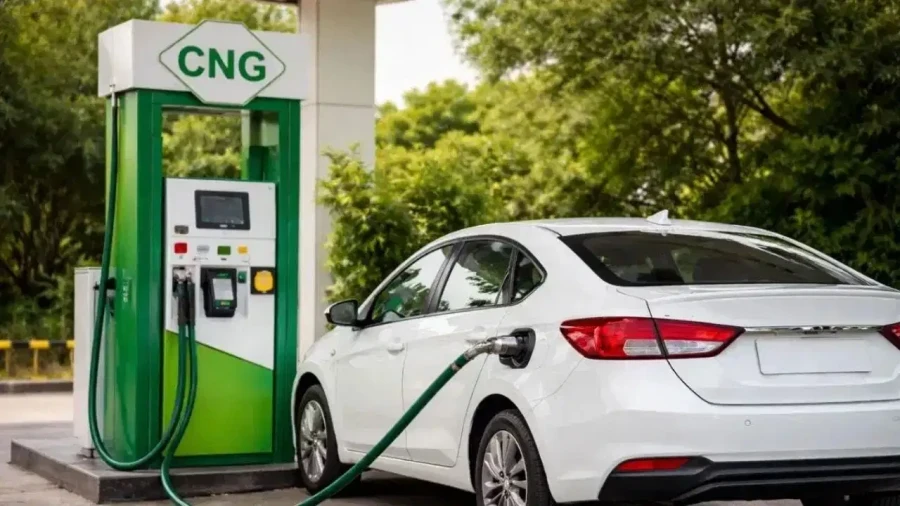
According to the official announcement by MGL, the retail price of Compressed Natural Gas (CNG) has been increased by 2 rupees per kilogram. Simultaneously, the price of domestic Piped Natural Gas (PNG) has seen an upward revision of 50 paise per Standard Cubic Meter (SCM). Following this adjustment, the new price of CNG in Mumbai, Thane, Navi Mumbai, and nearby areas has risen from 84 rupees per kg to 86 rupees per kg. For domestic consumers, the new PNG rate will now stand at 52 rupees per SCM.
Impact on Commuters and Households
The price hike is expected to have a widespread impact across the city. Approximately 12 lakh CNG-powered vehicles operate in the Mumbai region, all of which will now face higher running costs. 80 lakh auto-rickshaws that are a lifeline for daily commuters. On top of that, the increase in PNG prices will affect around 31 lakh households that rely on piped gas connections for their daily cooking needs. The cumulative effect of these hikes is likely to put an additional financial burden on a large section of the population, especially those who depend on public transport like autos, taxis, and buses.
Demands from Auto and Taxi Unions
The sudden increase in fuel costs has triggered immediate reactions from transport unions. Auto and taxi drivers, who are already struggling with rising operational costs, have raised demands for a fare hike. Thampi Kurien, a prominent leader of the Mumbai Rickshawmen's Union, stated that a fare revision is now necessary to sustain the livelihoods of drivers. 12 rupees per kilometer in the base fare. This proposal for a fare hike will be submitted to the Mumbai Metropolitan Region Transport Authority (MMRTA) by the Transport Department, as the MMRTA holds the final authority on such decisions. Similarly, taxi unions have also voiced their concerns, demanding an increase of 2 to 3 rupees in the base fare to offset the rising CNG costs.
Comparison with Traditional Fuels
Despite the frequent price revisions, MGL maintains that CNG remains a more economical and environment-friendly option compared to traditional fossil fuels. Even with the new rate of 86 rupees per kg, CNG offers significant savings for vehicle owners. It's estimated that using CNG provides a saving of about 45 percent compared to petrol and approximately 12 percent compared to diesel at current market prices in Mumbai. This cost advantage continues to drive the adoption of natural gas, although the narrowing gap is a cause for concern among commercial vehicle operators.
Reasons Behind the Price Hike
This marks the second time in May that CNG prices have been increased. Previously, on May 13, the price was hiked by 2 rupees per kg, following a 1 rupee increase in April. MGL has attributed these frequent revisions to a sharp rise in gas procurement costs. The company cited several global and domestic factors for this trend, including geopolitical disruptions in the global energy supply chain, an increasing reliance on expensive imported gas sources, the volatility in international crude oil prices, and the continued weakness of the Indian rupee against the US dollar. These factors combined have made it necessary for the utility provider to pass on some of the increased costs to the end consumers.