
- India,
- 02-Jun-2026 03:26 PM IST



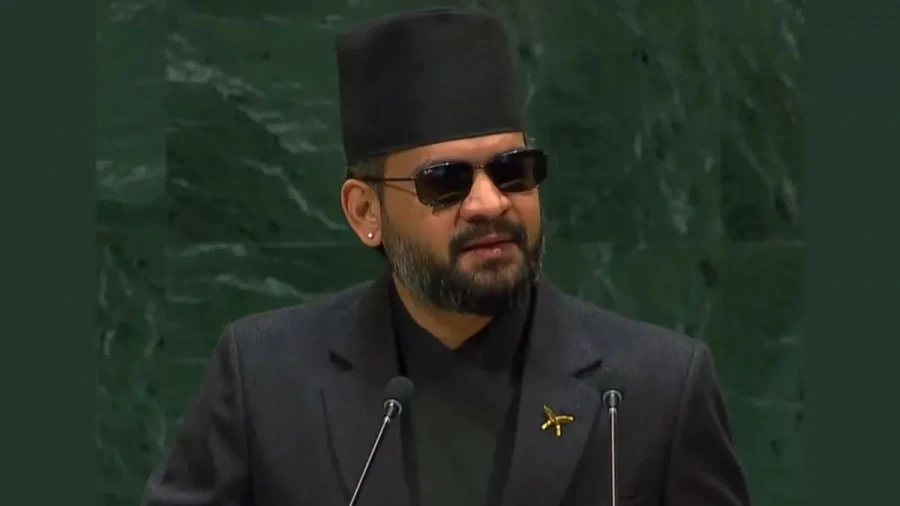
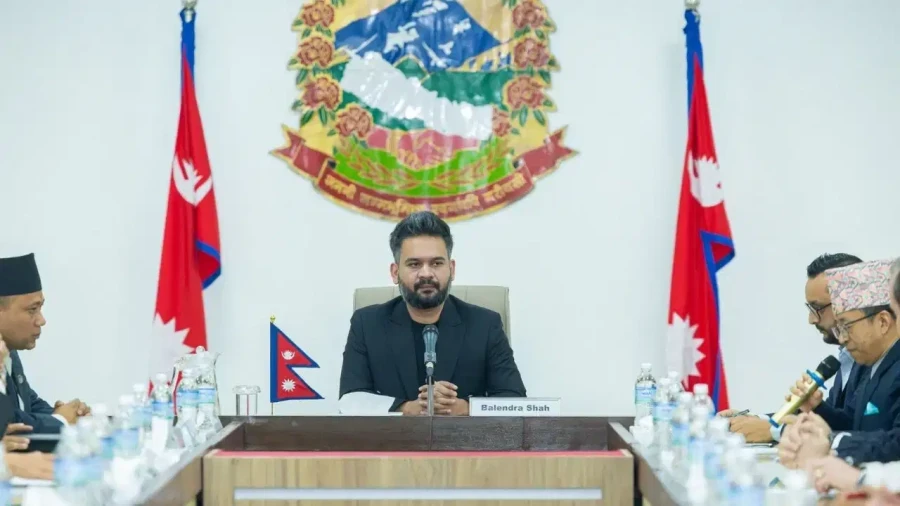
Nepal's Prime Minister Balen Shah is facing a significant diplomatic challenge as his strategy to involve third-party nations in the ongoing border dispute with India appears to be faltering. The Prime Minister's attempt to bring international mediators into the bilateral issue has met with a cold response from both the United Kingdom and China. While the UK has explicitly declined the request to intervene, China has maintained a strategic silence on the matter, leaving the Nepalese government's plan in a state of limbo. This development comes at a time when Balen Shah has been actively raising the border issue with India since assuming office.
UK Rejects Mediation Proposal
The United Kingdom has officially turned down the request to act as a mediator in the border dispute between India and Nepal. According to a report by The Telegraph, which cited the British Ambassador to Nepal, Rob Fenn, the proposal was presented by an advisor to the Nepalese Prime Minister. The Nepalese side argued that since Britain was a signatory to the Sugauli Treaty, its involvement would carry significant weight and help resolve the long-standing issues. However, Ambassador Fenn clarified the UK's position, stating that the border dispute is a bilateral matter between India and Nepal, and Britain won't interfere in it.
Historical Context and the Sugauli Treaty
The roots of the current dispute trace back to the Sugauli Treaty of 1816. This historic agreement established the boundaries between Nepal and British India. In recent years, Nepal has raised objections regarding the regions of Lipulekh and Kalapani, claiming that changes in geographical conditions have led to India occupying parts of its territory. On Sunday, May 31, Balen Shah informed the Nepalese Parliament that he had reached out to both China and the UK to facilitate a resolution, emphasizing his commitment to settling the dispute through international involvement.
China's Silence and Encroachment Allegations
While the UK has provided a clear refusal, China's response has been characterized by total silence. Prime Minister Balen Shah informed the Parliament that the Nepalese government had also contacted the Chinese envoy to request mediation in the land dispute. However, Beijing has neither issued an official statement nor provided any positive feedback regarding the proposal. There has been no indication from the Nepalese side whether China might take any initiative in the future.
Interestingly, the request to China comes despite recurring allegations from Nepal regarding Chinese encroachment on its own land. In 2020, Nepalese media reports claimed that Beijing had constructed buildings and other structures within Nepalese territory in the Humla district. Also, Nepal has frequently accused China of encroaching near border pillars in areas such as Gorkha, Sindhupalchok, and Rasuwa. This history of friction makes the request for Chinese mediation particularly complex.
Current Developments and India's Stance
As the plan for third-party mediation stalls, other political movements are taking place within Nepal. Rabi Lamichhane, the president of the party from which Balen Shah was elected as Prime Minister, is currently on a visit to Delhi. Upon his arrival in the Indian capital, Lamichhane emphasized the importance of bilateral relations between India and Nepal, stating that disputes can't be dragged on indefinitely. This suggests a potential shift towards direct dialogue.
India's position remains consistent with its preference for bilateral resolution. Previously, when the Nepalese Prime Minister made sharp remarks regarding Lipulekh and Kalapani, Randhir Jaiswal, the spokesperson for India's Ministry of External Affairs, stated that such issues can be resolved through face-to-face discussions. The current situation indicates that despite Balen Shah's efforts to internationalize the issue, the path to resolution likely remains through direct bilateral engagement between New Delhi and Kathmandu.