
- India,
- 22-May-2026 10:40 PM IST



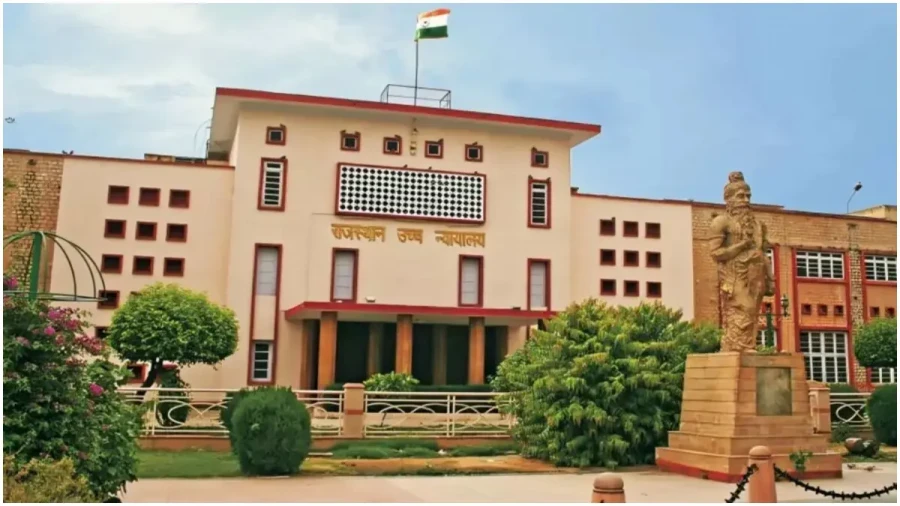
The Rajasthan High Court has delivered a significant verdict regarding the conduct of Panchayat and Municipal elections in the state, while in its latest order, the court has directed the state government to ensure that these elections are completed by July 31. This decision comes as a crucial development in the ongoing legal discourse surrounding the local body polls in Rajasthan. Along with the election deadline, the court has also instructed the OBC Commission to submit its report by June 20. The state government had previously cited the delay in this report as a primary reason for its inability to conduct the elections on time.
Judicial Bench and Reserved Verdict
The ruling was delivered by a division bench comprising Acting Chief Justice Sanjeev Prakash Sharma and Justice Sanjeet Purohit. The bench had reserved its judgment on May 11 after hearing extensive arguments from both the state government and the petitioners. The court's decision today is seen as a middle ground, considering the previous timelines and the government's requests for further extensions. Earlier, in November last year, the court had directed the government to hold elections by April 15 2026. However, the state government had expressed its inability to meet this deadline and had filed an application seeking an extension until December 2026.
Legal Insights and Election Process
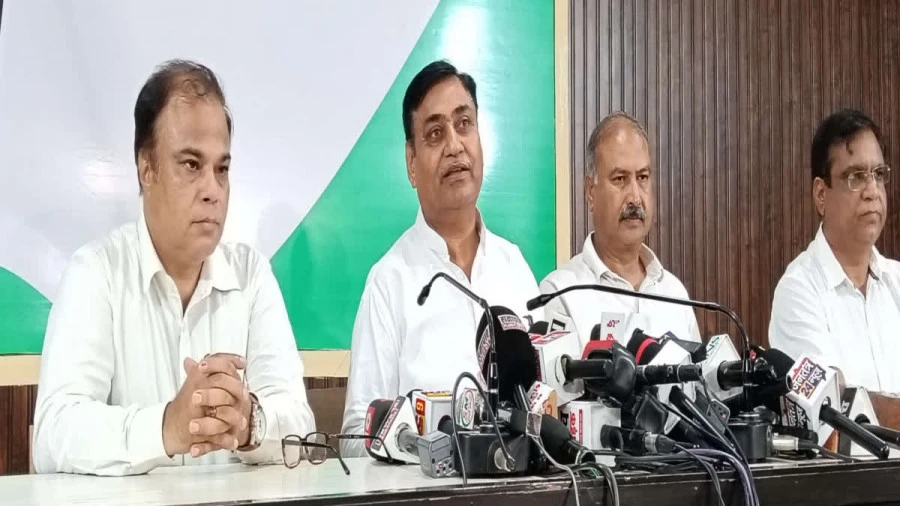
Providing details on the court's order, Advocate PC Devanda stated that amid the uncertainty surrounding the local body elections, the High Court heard the state government's application for a time extension on May 11. After considering the arguments from both sides, the court has now mandated that the elections must be held by July 31. According to the timeline set by the court, the OBC Commission must submit its findings by June 20, following which the Election Commission will immediately initiate the formal election process. This structured timeline aims to resolve the administrative vacuum in local governance.
Relief for the State Government
While the High Court didn't grant the government's request to postpone the elections until December, the verdict is still being viewed as a partial relief for the administration, while this is because the court was also considering a plea for issuing a contempt notice against the state. The petitioners had argued that the government's failure to conduct elections by the previously set date of April 15 constituted a contempt of court. By setting a new deadline of July 31, the court has provided a clear path forward while bypassing immediate punitive action for the delay. However, former MLA and petitioner Sanyam Lodha has criticized the government, alleging that the Bhajanlal administration is avoiding elections due to a fear of political defeat.
Background and Administrative Challenges
The roots of this case lie in a series of 439 petitions that the High Court heard on November 14 2025. At that time, the court had issued strict instructions to complete the Panchayat and Municipal elections by April 15 2026. The state government, however, moved an application describing this timeline as practically impossible. The government presented a comprehensive list of administrative and practical hurdles to justify the delay. One of the primary arguments was the extreme weather conditions in Rajasthan, where severe heatwaves occur during May and June, followed by heavy rainfall and peak agricultural activities from July to September, which keep rural voters occupied.
Logistical Requirements and Delimitation Issues
The government also highlighted the massive logistical scale of the exercise, noting that more than 68000 polling stations would need to be established across urban and rural areas. 4 lakh government employees, a mobilization that the government claimed wasn't feasible within the earlier timeframe. Also, Advocate General Rajendra Prasad argued that delays were caused by two different judicial decisions regarding the internal delimitation of wards. These legal complexities, combined with the pending OBC Commission report, had made it difficult to finalize the reservation status for various seats, thereby stalling the election preparations.