
- India,
- 13-Jun-2026 02:12 PM IST


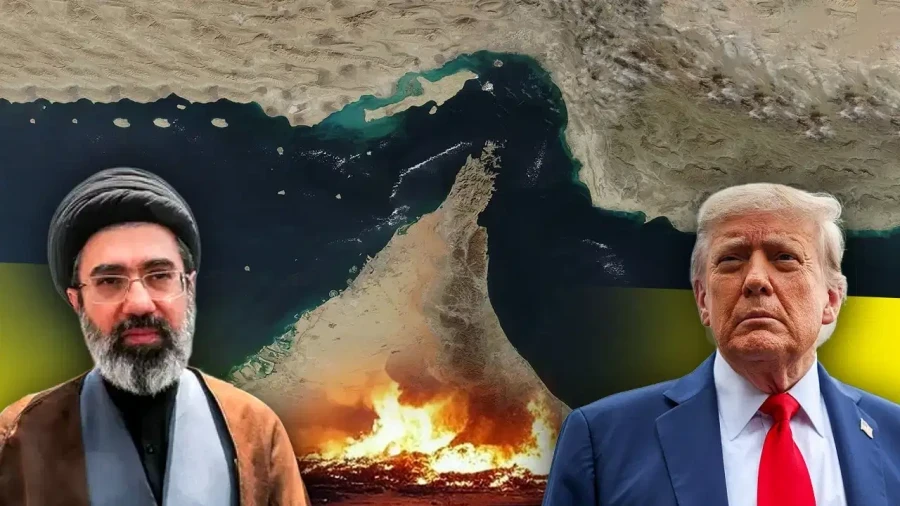
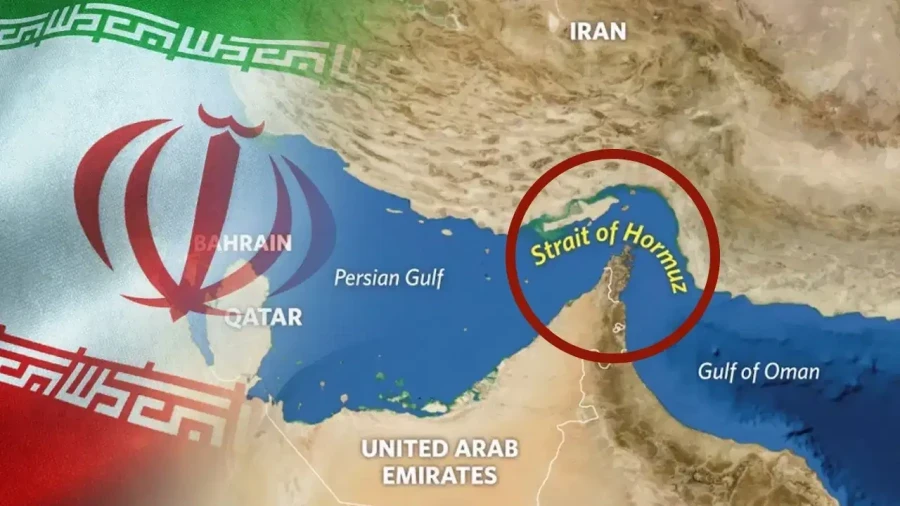
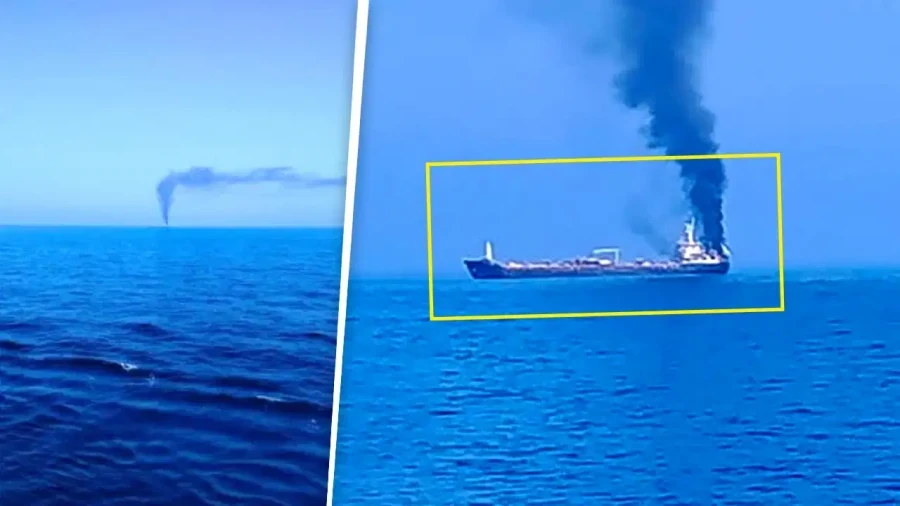
The closure of the Strait of Hormuz in February 2026 by Iran sent shockwaves through the global energy market, fundamentally altering the flow of oil and gas across the world. This strategic waterway, which typically handles approximately 20 percent of the world's total oil and gas supply, including 2 crore barrels of oil daily, became a focal point of geopolitical tension. While the blockade created significant challenges for many importing nations, it simultaneously presented a massive economic opportunity for major energy producers who were able to benefit from alternative routes or benefit from the resulting surge in global prices.
Russia Emerges as a Primary Beneficiary
Russia witnessed a substantial increase in its economic fortunes following the closure. In May, the country's oil and gas tax revenue surged by 32 point 4 percent compared to the previous year, reaching a total of 678 billion 900 million rubles, which is equivalent to approximately 9 billion 300 million dollars. This financial windfall was largely driven by the rally in oil prices sparked by the conflict and the supply disruption. The closure of the Strait proved to be a boon for Russian oil, as it forced the United States and Western nations to ease existing sanctions on Russian seaborne oil. To maintain global supply stability, the US even granted exemptions to several countries, including India, allowing them to continue purchasing Russian oil despite previous restrictions, thereby enabling Russia to secure significant profits.
United States Capitalizes on Global Shortages
According to the Russian oil company Rosneft, the global oil shortage created by the Hormuz crisis provided a major opening for American energy firms. The US Energy Information Administration (EIA) Importantly revised its market outlook for 2026, raising the projected price of Brent crude from 58 dollars to 79 dollars per barrel. This price hike was accompanied by a surge in domestic production, with US crude oil output estimated to reach 1 crore 36 lakh barrels per day in 2026. The ability of the US to ramp up production and fill the supply gap left by the Middle Eastern disruption allowed its energy sector to strengthen its global market position and generate record revenues.
Saudi Arabia and Iraq Utilize Alternative Routes
While other Gulf nations faced logistical nightmares, Saudi Arabia successfully mitigated the impact by utilizing its strategic infrastructure. The kingdom diverted its crude oil exports away from the Strait of Hormuz by using its East-West pipeline, which transports oil to the Red Sea. By increasing exports through the Yanbu Port, Saudi Arabia achieved record-breaking oil export volumes and revenues. The state-owned giant, Saudi Aramco, reported a net profit of 33 billion 600 million dollars in the first quarter, marking a 26 percent increase compared to the previous year. Similarly, Iraq reactivated a critical 600 mile long pipeline to Turkey. This pipeline, which has a total capacity of 16 lakh barrels per day, was initially reopened with a capacity of 2 lakh 50 thousand barrels per day. Iraq is also exploring the development of new pipelines toward Oman, Jordan, and Egypt to further diversify its export options.
Oman and Norway Benefit from High Energy Prices
Nations located outside the immediate conflict zone also saw their economies bolstered by the crisis, while oman, situated outside the Strait of Hormuz, saw its exports remain largely unaffected by the blockade. Instead, the country benefited from the sharp rise in global energy prices, which Importantly boosted its national income. In Europe, Norway, one of the continent's largest oil and gas exporters, experienced a major increase in earnings. As a reliable supplier during a period of extreme market volatility, Norway was among the top nations to profit from the high price environment, further solidifying its role as a key energy provider for the European market.