

- India,
- 27-Oct-2025 10:50 AM IST


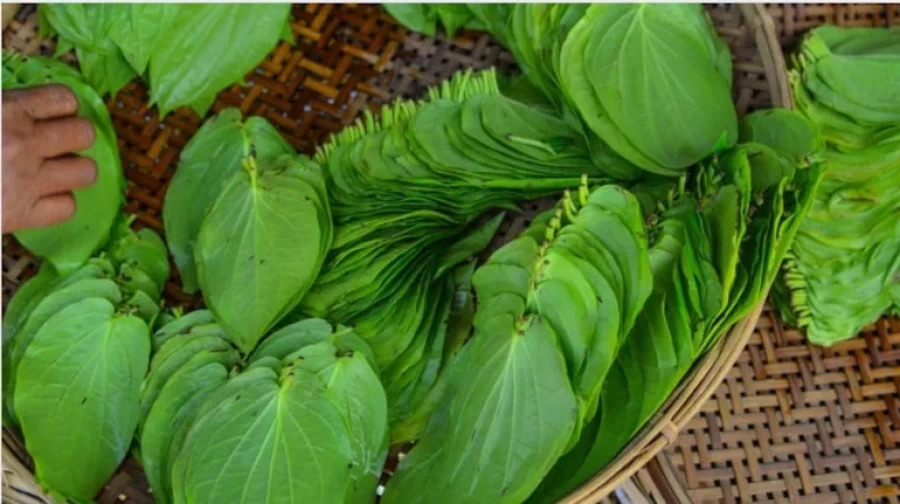
In India, the betel leaf, commonly known as Paan, is far more than just a culinary item or a traditional offering. It's a profound symbol embedded deeply within our culture, rituals, and ancient Ayurvedic practices. This small, vibrant green leaf has graced various ceremonies, from religious pujas to social gatherings, for centuries. However, its true essence lies in its remarkable medicinal properties, which contribute Notably to maintaining overall health and well-being from within. Historically, the practice of consuming paan after meals was rooted in scientific. Understanding, recognizing its myriad benefits ranging from aiding digestion to ensuring oral hygiene. The natural compounds found in betel leaves are known to soothe the stomach, uplift spirits, freshen breath, and even protect the body from various infections. In an era where modern medicine often dictates solutions for every minor ailment,. Traditional remedies like paan continue to hold their ground, proving their efficacy and relevance. When consumed in the right quantity and in the correct manner, paan can seamlessly integrate into your daily routine as an extraordinary wellness companion. Its affordability and widespread availability further enhance its appeal, promising a 'health miracle' that. Can be accessed for as little as 5 rupees, making traditional wisdom accessible to all. The age-old tradition of chewing paan after meals isn't merely a custom but a practice grounded in deep wisdom. Our ancestors recognized that the unique enzymes and natural oils present in betel leaves play a crucial role in activating the digestive system. These compounds facilitate faster digestion of food, offering significant relief from common digestive discomforts such as gas, acidity, constipation, and bloating, while the betel leaf also provides a cooling sensation to the stomach and stimulates the secretion of digestive juices, which are essential for breaking down food and absorbing nutrients efficiently. Its natural properties also act as a mild carminative, helping to expel gas from the stomach and intestines.
Aiding the Digestive System
Relief from Seasonal Ailments
As seasons change, the incidence of common ailments like colds, coughs, and congestion tends to rise. In such times, the anti-inflammatory and antioxidant properties of betel leaves prove to be incredibly beneficial. Inhaling steam from water in which betel leaves have been boiled can help loosen accumulated phlegm in the chest and throat, making breathing easier. It also helps alleviate coughs and sore throats, while the antiseptic qualities of paan further assist in combating respiratory tract infections. Ayurvedic texts frequently recommend the use of betel leaves as a home remedy. For cold and flu symptoms, showcasing its long-standing therapeutic value in traditional medicine.
A Natural Mood Enhancer
In the fast-paced life of today, stress, fatigue, and mood swings have become common experiences. Consuming betel leaves can be an effective way to uplift your mood. The natural compounds in paan help balance the levels of neurotransmitters like acetylcholine in the brain, inducing a sense of calm, freshness, and renewed energy, while it exerts a mild stimulating effect that can enhance concentration and promote mental clarity. Historically, scholars and poets often consumed paan to maintain a cheerful disposition and improve their. Focus on creative pursuits, highlighting its traditional role as a mental stimulant and stress reliever.
Guardian of Oral Health and Infection Protection
Betel leaves possess potent antibacterial and antifungal properties, making them an excellent natural remedy for oral health. They effectively combat bad breath by neutralizing odor-causing bacteria and help reduce gum inflammation (gingivitis). Chewing paan can inhibit the growth of harmful bacteria in the mouth, thereby reducing the risk of cavities and other oral problems, while Also, paan helps kill germs and microbes throughout the body, Importantly lowering the risk of various infections. In times when modern toothpastes and mouthwashes were unavailable, people relied on chewing betel leaves to maintain oral hygiene and freshness, using it as a natural mouth cleanser and antiseptic.
The Correct Way to Consume Paan for Health Benefits
To derive the maximum health benefits from betel leaves, it's crucial to consume them correctly. Most paan available in the market contains additives such as catechu (kattha), slaked lime (chuna), areca nut (supari), tobacco, and sweet chutneys. All these ingredients can be detrimental to health, diminishing paan's natural properties or even introducing negative effects, while if your goal is to consume paan for its health benefits, it's imperative to completely forgo these harmful additions. The best way to consume it's to slowly chew one or two pure green betel leaves after a meal, without any extra ingredients. Alternatively, you can boil the leaves in water to make a mild decoction and consume it. This method is considered the most beneficial for the body and will help you experience the miraculous health benefits of paan in their purest form.
