
- India,
- 16-Jun-2026 08:37 AM IST



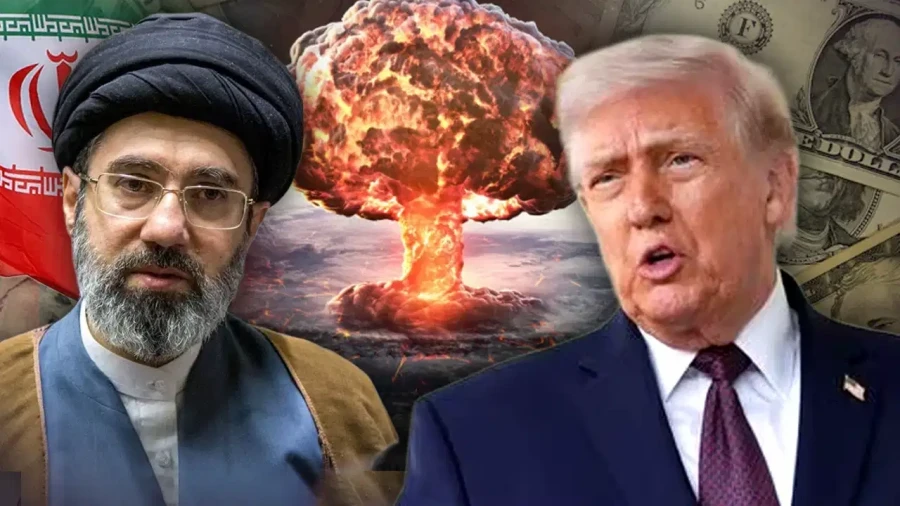
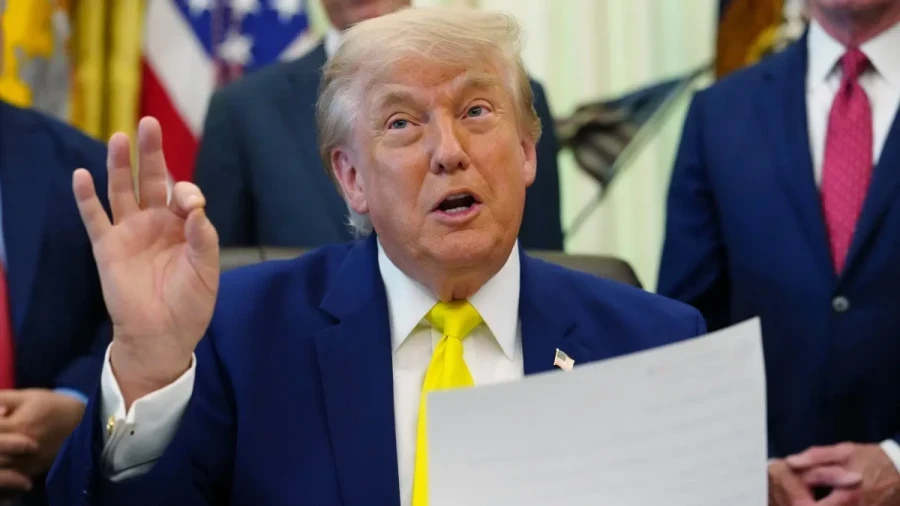
President Donald Trump has officially announced that the strategically vital Strait of Hormuz will be fully reopened to international maritime traffic starting this Friday, June 19. This significant development comes in the wake of a landmark digital peace agreement reached between the United States and Iran, marking a potential end to a period of intense regional instability and conflict, while speaking from France, where he's attending the G-7 summit, President Trump confirmed that while the agreement has already been signed through digital means, a formal in-person signing ceremony is scheduled to take place in Geneva, Switzerland, on Friday. The reopening of this waterway is seen as a critical step for global energy markets, as the strait serves as a primary conduit for the world's oil supply and has been a flashpoint for international tension.
The Path to Peace and the Digital Agreement
The announcement follows a period of 107 days of conflict that had effectively blocked the Strait of Hormuz, causing significant disruptions to global shipping and oil exports. President Trump noted that ships, many of them heavily laden with oil, have already begun to navigate the passage as it's currently partially open. The transition from partial to full reopening is expected to be completed by Friday, once thorough checks for any remaining naval mines are finalized to ensure the safety of all commercial vessels, while during his bilateral discussions with French President Emmanuel Macron at the G-7 summit, Trump expressed confidence in the security of the route, suggesting that extensive international naval missions, such as those proposed by London and Paris, might not be necessary to keep the passage open. He emphasized that the digital signature on the peace deal has already set the wheels in motion for a return to normalcy in the region.
Leadership Changes and Diplomatic Breakthroughs
A pivotal factor in reaching this agreement appears to be the change in Iran's leadership structure. President Trump referenced the death of Iran's Supreme Leader, Ayatollah Ali Khamenei, which occurred following an attack by US and Israeli forces on February 28. Trump described a shift in the Iranian administration, noting that after the departure of previous groups of leaders, the current "third group" has proven to be more sensible and pragmatic. "The first group of leaders is gone, while the second group is also gone, and now we found the third group very sensible, while and we've reached an agreement with it," Trump stated, highlighting a newfound diplomatic rapport between Washington and Tehran. He emphasized that the most crucial outcome of this deal is the absolute guarantee that Iran won't possess nuclear weapons, which has been a long-standing goal of US foreign policy.
The Geneva Ceremony and US Delegation
The formalization of the peace treaty will be led by US Vice President JD Vance, who is set to head the American delegation to Switzerland. While the exact location of the ceremony in Geneva has not been disclosed, the event is scheduled for Friday and will serve as the official face-to-face conclusion of the peace process, while " He also didn't provide specific details regarding the other members of the US delegation who will accompany Vice President Vance. Despite the uncertainty of his personal presence at the ceremony, Trump expressed great optimism about the future of the Middle East, suggesting that many positive developments are on the horizon following this landmark peace framework. He reiterated that the agreement marks a significant turning point in international relations and regional security.