
- India,
- 16-Jun-2026 08:31 AM IST



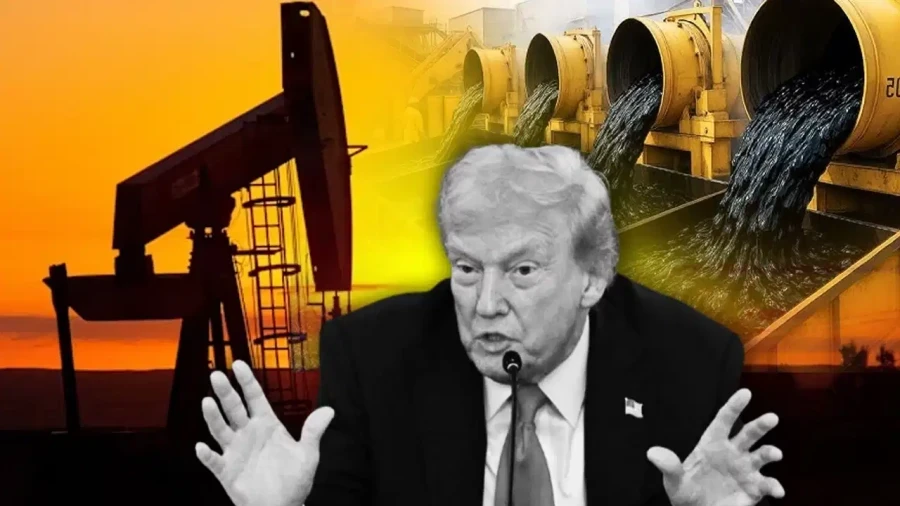
The global energy market is undergoing a major transformation as the announcement of a peace agreement between the United States and Iran has triggered a sharp decline in crude oil prices. This diplomatic breakthrough is expected to bring stability to a market that has been volatile for a long period. Investors and analysts are closely watching the developments as the geopolitical tension that once drove prices to record highs begins to dissipate.
The US-Iran Agreement and the Signing Timeline
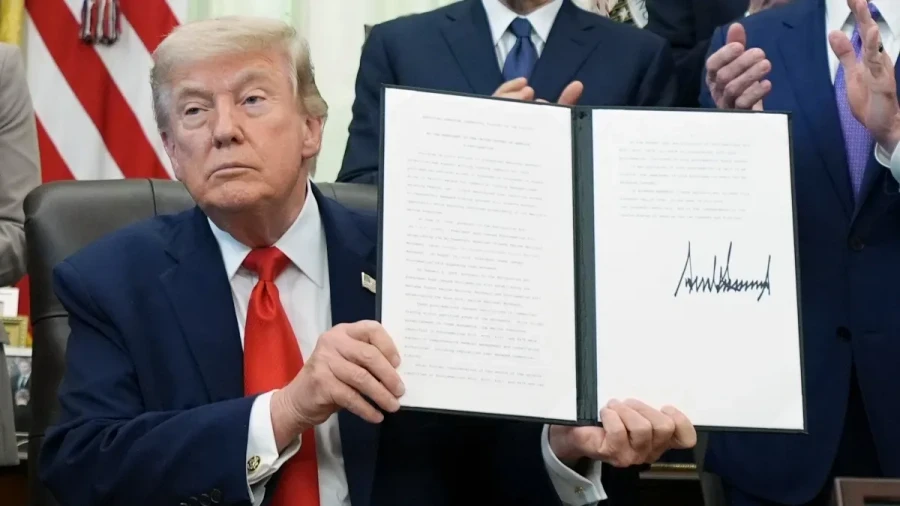
The agreement between the United States and Iran has been finalized after extensive negotiations. According to the available details, both nations are set to officially sign the deal on June 19. This historic event will take place under the leadership and mediation of the Pakistani Prime Minister. The impact of this news was felt in the market even before the formal announcement. As soon as reports emerged regarding a potential deal between the Trump administration and the Iranian leadership, crude oil prices started their downward journey.
The market reaction has been swift and decisive. On the Friday preceding the announcement, crude oil prices fell by approximately 4 percent as rumors of the impending deal began to circulate. The momentum of this decline continued into Monday. Once the deal was officially confirmed and the specific date for the signing was set, the market saw another significant drop. By Monday evening, prices had fallen by an additional 4 to 5 percent, reflecting the market's confidence in the peace process.
Expert Analysis: Crude May Drop to 65-70 Dollars
Ajay Kedia, the founder of Kedia Capital, has provided a detailed outlook on the future of oil prices. He explained that the current situation is leading to a stabilization of global tensions, which is the primary reason for the falling prices. Kedia believes that this downward trend will continue over the next two months. He projected that crude oil, which is currently trading around the 80 dollar mark, could potentially slide down to 65 or 70 dollars per barrel in the near future.
This projected decline is expected to bring significant benefits to India. As a major importer of crude oil, India stands to gain from lower international prices. The reduction in costs will provide much-needed relief to Indian oil marketing companies, which have been grappling with high procurement costs. The overall impact on the Indian economy is expected to be positive, helping to manage the trade deficit and inflationary pressures related to energy costs.
Current Market Rates and Historical Context
To understand the significance of the current price drop, it's important to look at the recent peaks. During the height of the conflict and uncertainty, crude oil prices had surged to as high as 127 dollars per barrel. However, the prospect of peace has effectively cooled down the market, while by the time the markets closed on Friday, the initial 4 percent drop had already signaled a shift in sentiment.
On Monday, June 15, 2026, the decline became even more pronounced. By approximately 8:40 PM on Monday evening, crude oil prices had dropped by nearly 5 percent to reach 80 dollars per barrel. Similarly, Brent crude also saw a sharp decline, trading at approximately 83 dollars per barrel. The market's behavior suggests that the risk premium associated with the US-Iran tension is rapidly being removed from the pricing structure.
- The US and Iran will sign the peace deal on June 19 under the Pakistani PM's leadership.
- Crude oil prices fell by 4 percent on Friday and another 5 percent on Monday.
- Expert Ajay Kedia predicts prices could reach 65 to 70 dollars per barrel within two months.
- Current Brent crude prices are trading around 83 dollars per barrel as of June 15, 2026.
- The drop from the peak of 127 dollars per barrel provides significant relief to oil-importing nations like India.