
- India,
- 24-Jun-2026 03:17 PM IST



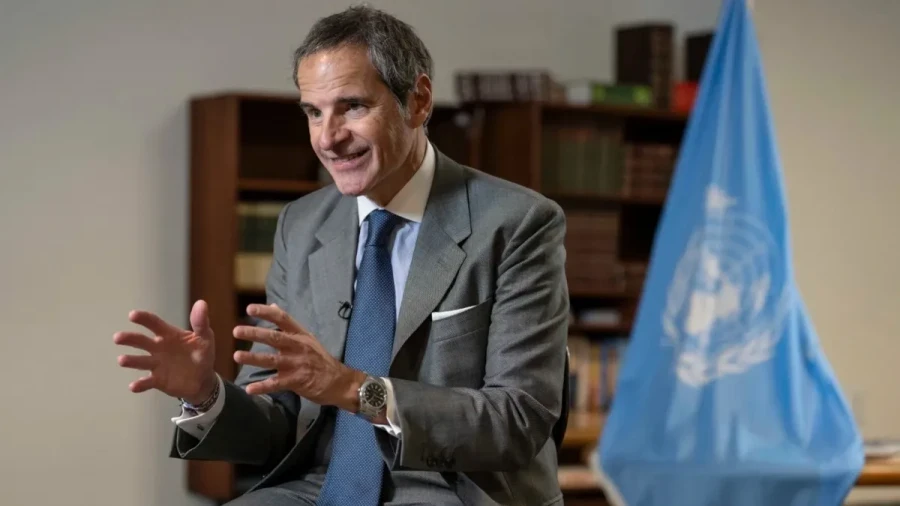
The Director General of the International Atomic Energy Agency (IAEA), Rafael Mariano Grossi, has issued a significant statement regarding the monitoring of Iran's nuclear program. Speaking on Wednesday, Grossi emphasized that the inspection of Iran's nuclear enrichment sites isn't just a possibility but a certainty that must be fulfilled. This development comes as a crucial component of the interim agreement reached between the United States and Iran, aimed at de-escalating tensions and ending the ongoing conflict. Grossi made these remarks during a media interaction in Tokyo, where he was attending events at the tsunami-affected Fukushima Daiichi nuclear power plant.
The Mandate of the IAEA
Grossi underscored that the primary responsibility of the IAEA is to ensure that Iran's nuclear activities remain strictly for peaceful purposes. He stated that for the agency to fulfill its duty of monitoring and verification, it's essential to have unrestricted access to the relevant nuclear sites. This access has been a point of contention, especially after Tehran limited the IAEA inspectors' reach following Israeli strikes on Iranian territory last year. Despite these restrictions, Grossi remains firm that the agency will carry out its oversight role as mandated by international agreements.
Concerns Over Uranium Enrichment
The urgency of these inspections is highlighted by the current state of Iran's nuclear stockpile. It's widely believed that Iran has accumulated a significant amount of highly enriched uranium at these sites. Reports suggest that the quantity is sufficient to potentially produce approximately 10 nuclear bombs. While Iran has consistently maintained that its nuclear program is intended solely for peaceful energy and research purposes, it remains the only country in the world to enrich uranium to 60 percent without having a declared nuclear weapons program. This 60 percent level is considered dangerously close to the weapon-grade threshold, raising international alarms.
Navigating Political Rhetoric
Grossi's comments come in the wake of conflicting statements from Washington and Tehran. Just a day prior to his remarks, the US and Iran offered opposing views on the status of nuclear site inspections. During his press conference at the Fukushima Daiichi plant, Grossi acknowledged the political friction but remained focused on the legal obligations, while he noted that while he understands the political statements as part of the ground reality, the core fact remains that the presidents of both nations have signed an agreement. This agreement explicitly stipulates that the IAEA will monitor all activities related to nuclear materials and facilities.
The Certainty of Inspections
Addressing the timeline and the necessity of the visits, Grossi stated that the agency must go and inspect the sites to validate the terms of the agreement. He remarked that whether the inspection happens in a day, a week, or ten days, the timing is secondary to the fact that it will occur. The success of the interim agreement hinges on these inspections, as the deal requires Iran to reduce its stockpile of highly enriched uranium to lower, safer levels. Grossi's firm stance serves as a reminder that the international community expects transparency and compliance.
Conflicting Stances from Tehran and Washington
The situation remains complex due to the internal and external pressures on the Iranian government. On Tuesday, Esmaeil Baghaei, the spokesperson for Iran's Foreign Ministry, told reporters in Tehran that there are currently no plans to allow IAEA inspectors to visit the nuclear sites that were targeted by US bombing last year. This statement directly contradicted the claims made by US Vice President JD Vance, who had recently suggested that such inspections were a likely prospect. As of now, there has been no immediate official response from Iran regarding Grossi's latest assertions in Tokyo.