
- India,
- 24-Aug-2026 05:34 PM IST



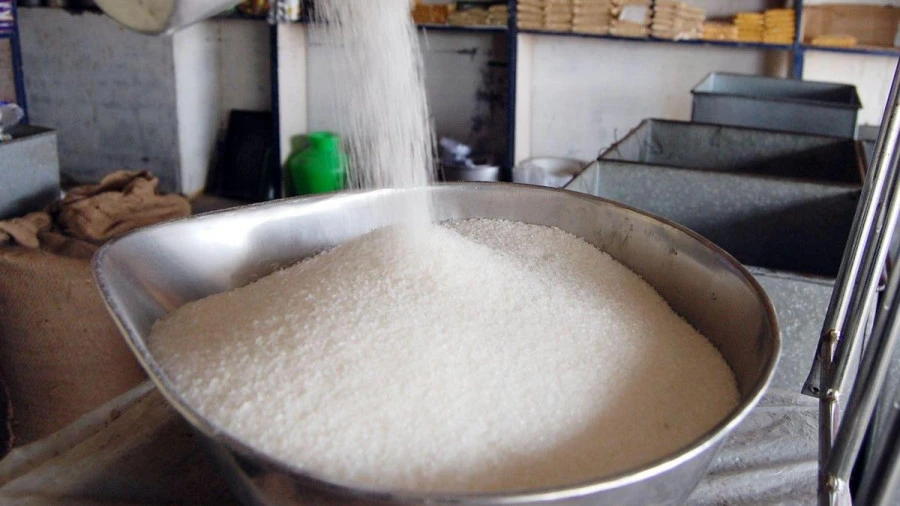
The rising prices of sugar just before the festive season have sparked significant concern among the general public and policymakers alike. Within the last month alone, sugar prices in both retail and wholesale markets have witnessed a sharp surge of 24 percent, with rates climbing from 56 rupees to 60 rupees per kilogram. In a decisive move to stabilize these prices and ensure adequate availability for consumers, the Central Government on August 20 approved the duty-free import of 10 lakh tons of raw sugar. This intervention is designed to curb the inflationary trend and provide a buffer during the upcoming high-demand period.
Industry Perspective on Stock Availability
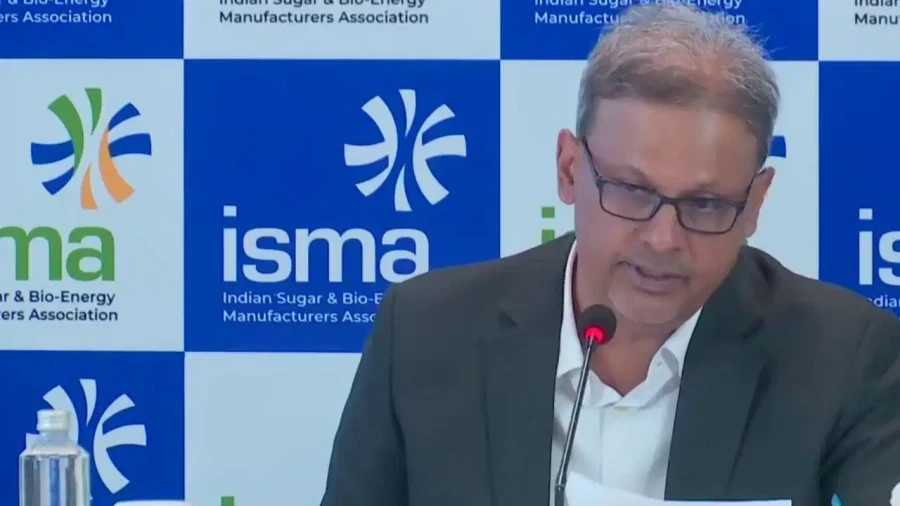
Despite the government's move to initiate imports, the Indian Sugar Mills Association (ISMA) has clarified that there is no actual shortage of sugar within the country. Neeraj Shirgaonkar, the President of ISMA, stated that as of August 1, India maintained a sugar stock sufficient to cover three and a half months of domestic consumption. He emphasized that there is absolutely no need for panic regarding availability this month. According to the association, the government's decision to allow duty-free imports isn't a response to a current deficit but is rather a precautionary measure. This step is expected to Notably improve the supply chain and is projected to increase the estimated closing stock by 25 to 29 percent. The primary objective behind this decision is to eliminate the risks associated with market speculation and hoarding by middlemen.
Root Causes of the Price Hike
The recent spike in sugar prices is primarily attributed to hoarding by speculators looking to capitalize on festive demand. On top of that, adverse weather conditions have had a slight impact on overall production levels. Prakash Naiknavare, the President of the National Federation of Cooperative Sugar Factories (NFCSF), has also provided assurances that domestic supply remains entirely adequate. For the 2025-26 season, the sugar production estimate has been set at 279 lakh tons. Plus, the starting stock for the 2026-27 season, which commences on October 1, is expected to be around 35 lakh tons. Given that India consumes approximately 22 lakh tons of sugar every month, a surplus of 15 to 20 lakh tons is expected to remain until November. By that time, fresh supply from the new crushing season will begin entering the market.
Logistics and Import from Brazil
Regarding the logistics of the import, Prakash Naiknavare mentioned that some shipments of sugar are expected to reach Indian ports before October 15. Currently, Brazil remains the only viable option for imports, as Thailand is facing its own sugar shortage. The transit time for shipments from Brazil to Indian ports typically ranges from 40 to 45 days. Once the shipments arrive, additional time will be required to transport the sugar from the ports to the mills. This timeline depends on various factors, including approvals from the DGFT and the issuance of Letters of Credit. Coastal states such as Maharashtra, Karnataka, Tamil Nadu, Gujarat, and Andhra Pradesh are expected to receive the imported sugar first, while northern states will receive their supply via road or rail networks.
Deadline Flexibility and Export Restrictions
The government is expected to show some flexibility regarding the October 31 import deadline. According to Naiknavare, shipments that are already in transit may be accepted even if they arrive slightly after the stipulated date. On the export front, India has exported only 8 lakh tons of sugar against a total quota of 20 lakh tons. This shortfall in exports is largely due to unfavorable prices in the international market, while to prioritize domestic availability and keep prices in check, the government has maintained a ban on sugar exports from May 13 to September 30. These combined measures of importing raw sugar and restricting exports are aimed at maintaining a balanced market environment for the Indian consumer.