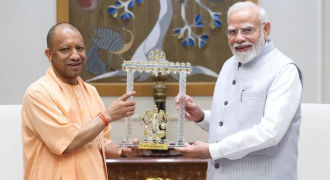
India has recently showcased a significant shift in its foreign policy, with Prime Minister Narendra Modi and External Affairs Minister S. Jaishankar undertaking simultaneous visits to different nations in the Middle East. These concurrent diplomatic engagements underscore India's growing global ambitions and. Its intent to solidify its position in a complex geopolitical landscape. While Prime Minister Modi is touring the Muslim-majority nations of Jordan and Oman, External Affairs Minister Jaishankar is in the Jewish state of Israel. This dual diplomacy sends a clear message to the world that India is committed to strengthening. Ties with all crucial partners, transcending regional differences and fostering a balanced approach to international relations.
Prime Minister Modi's Middle East Tour: Strategic Expansion
Prime Minister Narendra Modi's Middle East tour commenced with Jordan, followed by a visit to the African nation of Ethiopia, and then to the Muslim country of Oman. The primary objective of this tour is to fortify India's strategic relationships in the Middle East. This initiative comes at a time when the global geopolitical environment is fraught with. Trade disputes, energy security challenges, regional security crises, and other strategic and economic complexities. India aims to expand its presence in the region beyond traditional allies like Saudi Arabia and the UAE, seeking to deepen ties with other significant powers to advance its national interests and diversify its diplomatic portfolio.

Strengthening Ties with Jordan
Jordan has emerged as a critically important geopolitical hub in West Asia. Its borders with Iraq, Syria, Israel, and Palestine make it strategically vital for the entire region. Expanding relations with Jordan will help India strengthen its foothold in other Arab nations, thereby promoting regional stability and cooperation. Prime Minister Modi met with the Crown Prince of Jordan, a. Meeting that symbolizes the growing trust and collaboration between the two countries. This engagement focused on regional security and economic development, with India acknowledging Jordan's pivotal role in maintaining peace and fostering progress in the volatile region.

Economic and Defense Cooperation with Oman

India's relationship with Oman has historically been strong, and Prime Minister Modi's visit aims to elevate these ties to new heights. During this visit, a potential Free Trade Agreement (CEPA) between India and Oman is expected to be finalized. Should this agreement materialize, it would provide an unprecedented boost to trade and investment between the two nations, further deepening economic ties. Oman is already a close defense partner of India in the Gulf region, and this visit will provide opportunities to further enhance defense cooperation, including joint exercises and technology sharing, while overall, Prime Minister Modi's tour is poised to be a significant step towards strengthening India's diplomacy, trade, and strategic interests across the Middle East.
EAM Jaishankar's Israel Visit: Active Diplomacy in Complex Circumstances
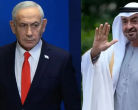
Equally significant is External Affairs Minister S. Jaishankar's two-day visit to Israel. He held meetings with the Israeli President, Foreign Minister Gidon Saar, and Industry Minister Nir Barkat. These discussions followed a telephone conversation between Israeli Prime Minister Benjamin Netanyahu and Indian Prime Minister Narendra Modi, where both leaders emphasized their commitment to fostering strong bilateral relations. Given the ongoing Israel-Hamas conflict and the prevailing situation in the Middle East, the timing of Jaishankar's visit is particularly crucial. This visit signals New Delhi's active diplomacy, where India is reinforcing its role as a significant player capable of bridging differences, securing economic benefits, and safeguarding its security interests in a highly sensitive region.
Shared Stance on Terrorism and Global Message
Upon his arrival in Israel, External Affairs Minister Jaishankar delivered a strong message to the world on terrorism. He unequivocally condemned the terrorist attack during the Hanukkah celebration at Bondi Beach in Sydney, stating that both India and Israel adhere to a 'zero-tolerance' policy against terrorism, while he also thanked Israel for its support in India's fight against terrorism. This statement comes after two gunmen attacked a crowd during the Hanukkah by the Sea celebration on Sunday, resulting in the deaths of at least 15 people, while this shared stance on terrorism underscores a global solidarity against such acts and emphasizes the need for international cooperation to combat this menace.
Expanding Defense and Cultural Cooperation
In the defense sector, India and Israel signed a historic agreement last month to enhance defense, industrial, and technological cooperation. Jaishankar's visit is expected to further accelerate this collaboration, exploring new avenues for joint development and production. Also, India and Israel have expanded cooperation in cultural and academic spheres, including film festivals, dance performances, and exchanges of filmmakers, all aimed at strengthening people-to-people connections. These high-level meetings are expected to lead to new Memoranda of Understanding (MoUs), paving the way for enhanced people-to-people contact and joint projects. As India navigates global challenges, such high-level engagements demonstrate its commitment to multi-polar engagement, indicating that India isn't confined to a single region or ideology but is pursuing a comprehensive and balanced foreign policy.
India's Growing Global Role
To sum it all up, the simultaneous visits of Prime Minister Modi and External Affairs Minister Jaishankar to. The Middle East are a testament to India's growing global role and its proactive diplomacy. It demonstrates that India isn't only strengthening ties with its traditional allies. But also seeking new strategic partners and asserting its presence amidst complex regional conflicts. This highlights India's capability to effectively engage with various geopolitical poles and establish itself as a responsible and influential player on the global stage. This dual diplomacy serves as an effective means for India to advance its economic, strategic, and security interests, positioning it strongly in a multipolar world order.