
- India,
- 13-Jun-2026 11:53 AM IST


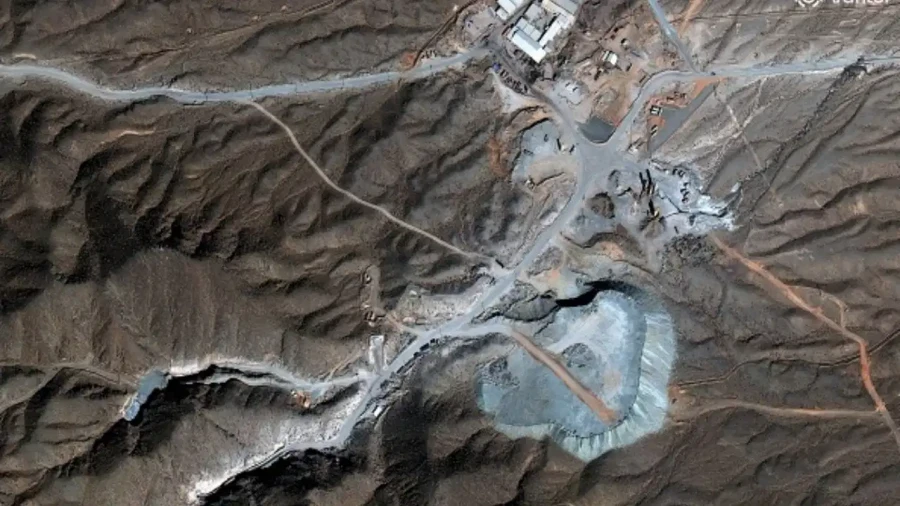
According to recent reports from United States intelligence sources, Iran has taken drastic measures to secure its highly enriched uranium stockpiles by intentionally collapsing access tunnels and planting landmines at entry points, while this development comes at a critical juncture as the United States and Iran are reportedly moving toward a potential peace agreement. The intelligence suggests that these actions have made reaching the uranium Importantly more difficult, dangerous, and time-consuming than ever before, potentially jeopardizing future plans for the removal or destruction of the nuclear material.
Strategic Obstruction of Nuclear Sites
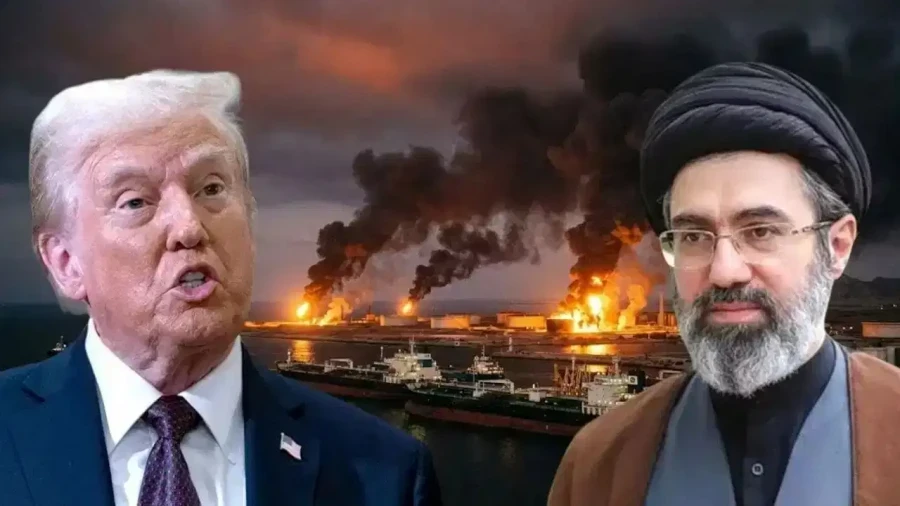
The intelligence indicates that Iran has focused these efforts on sites housing approximately half a ton of highly enriched uranium. By destroying the structural integrity of the tunnels and surrounding the entrances with explosives, the Iranian government has created a formidable physical barrier. Sources suggest that this move was likely a preemptive response to signals from Donald Trump, who had previously hinted that the United States might consider military action to seize control of Iran's nuclear materials if necessary. The deliberate destruction of the infrastructure means that any attempt to access the stockpile would now require extensive engineering efforts and high-risk mine-clearing operations.
Impact on Peace Negotiations
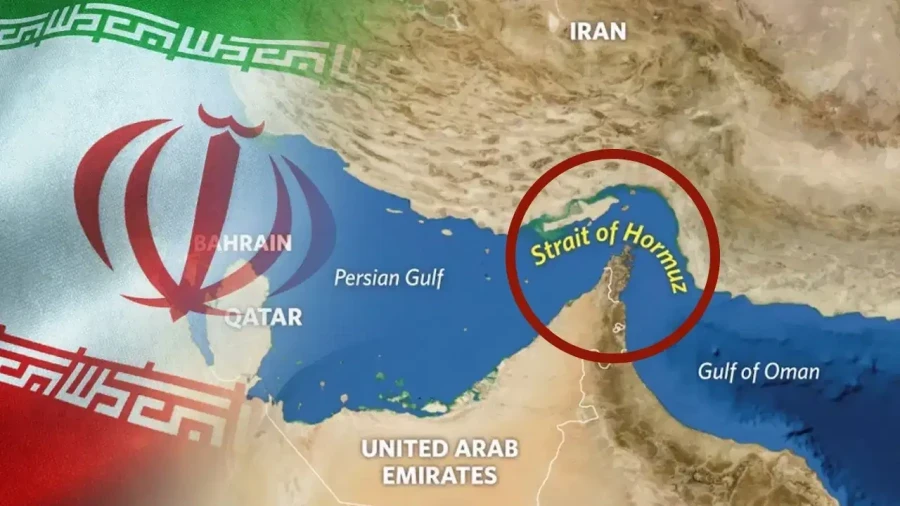
This escalation occurs while both nations are engaged in discussions aimed at ending hostilities and reopening the strategically vital Strait of Hormuz. A key component of these negotiations involves the handling of Iran's enriched uranium, with proposals on the table for its removal or supervised destruction. However, Iran has maintained a stance that specific discussions regarding its nuclear program should only commence 60 days after a formal peace deal is signed. The recent physical blocking of the sites adds a layer of complexity to these diplomatic efforts, as it creates a 'fait accompli' regarding the accessibility of the material during the initial phases of any agreement.
Technical Challenges and Expert Warnings
Nuclear experts and former officials have expressed deep concern over the technical implications of Iran's actions, while scott Roecker, a former US nuclear expert, noted that if the intelligence is accurate, the task of safely extracting and inspecting the uranium has become immensely difficult. He warned that this could provide Iran with a future diplomatic loophole, where they might claim that certain portions of the stockpile are physically impossible to reach or verify. Such a scenario would hinder the ability of international inspectors to confirm the total volume and status of Iran's nuclear inventory. On top of that, the extraction process would now necessitate the use of heavy excavation machinery and specialized teams to navigate the collapsed structures and neutralized the laid mines, making it a high-stakes operation for any party involved.