
- India,
- 13-Jul-2026 07:24 AM IST



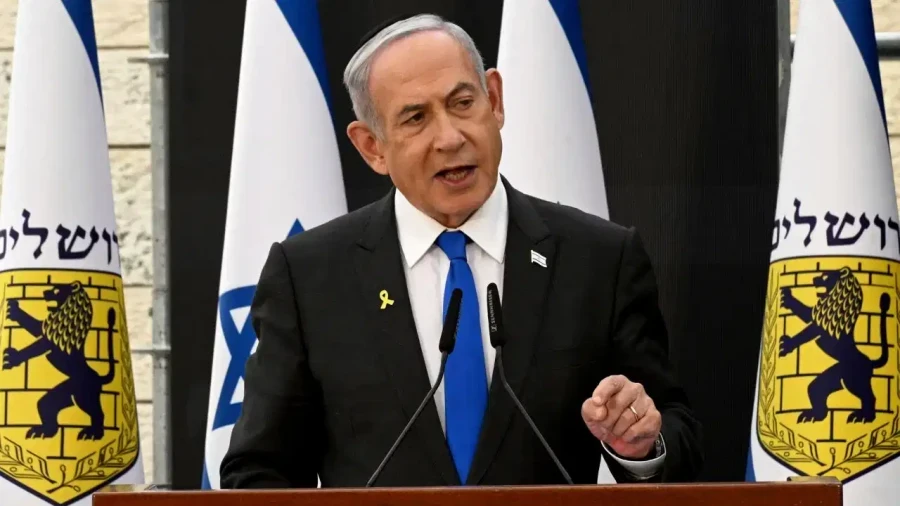
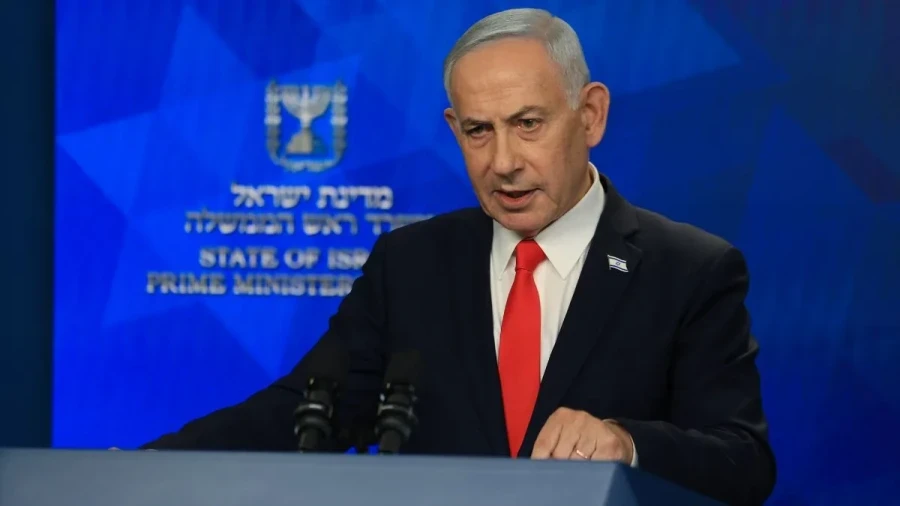
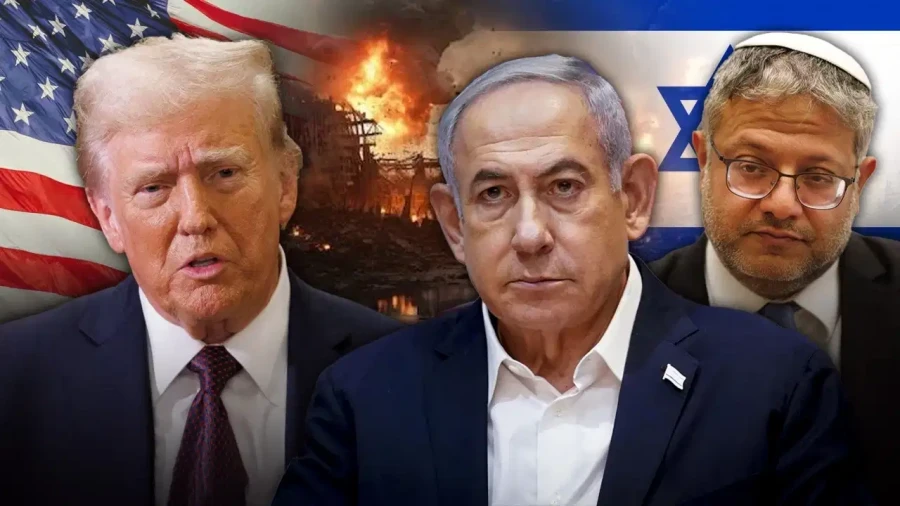
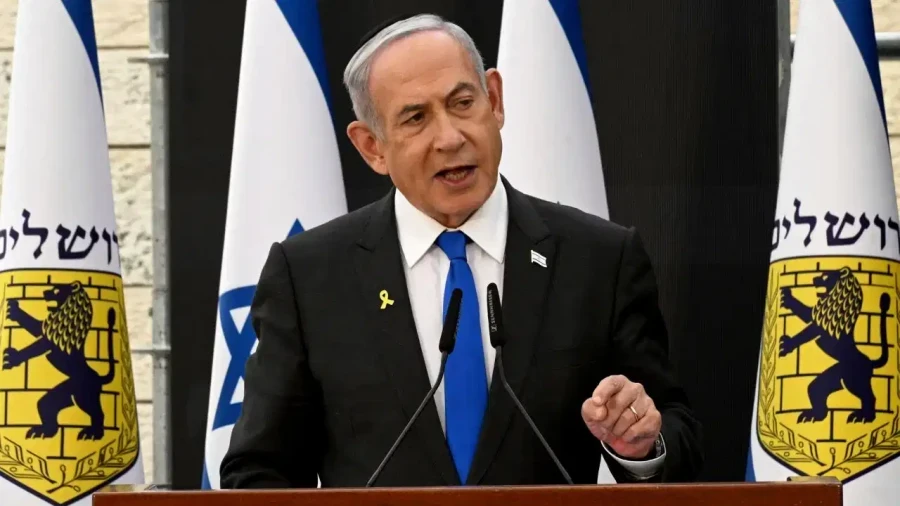
Israel is preparing for a pivotal moment in its political history as general elections have been officially scheduled for October 27. This upcoming national vote carries immense significance as it marks the first time the country will head to the polls since the devastating Hamas attacks on October 7, 2023, and the subsequent multi-front conflicts involving Gaza, Lebanon, and Iran. The election is widely viewed as a critical referendum on the political future of Prime Minister Benjamin Netanyahu, whose leadership has been under intense scrutiny throughout the duration of these conflicts.
The Road to the Election Date
For several months, there was considerable uncertainty regarding when the elections would take place. The Israeli Parliament, known as the Knesset, had dissolved itself in May, leading to widespread speculation about an early election. However, the timeline was recently clarified by Ofir Katz, the head of the government coalition. Speaking before a parliamentary committee, Katz confirmed that according to the law, the voting must proceed on October 27. This announcement has set the stage for a high-stakes political campaign in a nation still grappling with the aftermath of war and internal divisions.
Netanyahu's Political Survival and Ambitions
At 76 years old, Benjamin Netanyahu stands as Israel's longest-serving Prime Minister, but his path to another term appears increasingly challenging. Despite the pressure, Netanyahu has remained defiant, clearly stating his intention to contest the elections and form a new government. He has expressed a firm desire to win this election at all costs. In a bid to stabilize his current coalition before the vote, his government is working rapidly to pass several new laws. Netanyahu has articulated a vision for a broad national government that doesn't rely on the support of Arab parties, aiming to make national unity and state security the cornerstones of his campaign strategy.
Declining Poll Numbers and Public Sentiment
Recent surveys suggest a difficult road ahead for Netanyahu's coalition of nationalist and religious parties. Data from the Hebrew University of Jerusalem indicates a significant shift in public opinion. 4 percent. On top of that, the public's perception of the regional conflict is grim, with over 92 percent of Israelis believing that Iran's position has strengthened during the recent wars. Many citizens remain angry over the security lapses that occurred during the October 7, 2023, attacks. On top of that, there is significant dissatisfaction regarding the ceasefire and the Tehran-Washington agreements following the strikes on Iran, which many Israelis view as detrimental to their national interests.
Key Issues Shaping the Election
The October 27 election will be fought on several contentious fronts. One of the most explosive issues is the military recruitment of Ultra-Orthodox Jews. While Netanyahu's coalition partners are pushing for continued exemptions for their community, the military and the general public argue that the ongoing wars necessitate a larger pool of soldiers, while other major issues include the controversial judicial reforms, the ongoing corruption cases against Netanyahu, and the long-term plan for Gaza after the war. On the opposition side, former army chief Gadi Eisenkot has emerged as a formidable challenger to Netanyahu's leadership. As the campaign unfolds, the central question remains whether Netanyahu can navigate these challenges to return to power or if Israel will see the dawn of a new leadership era.