
- India,
- 03-Jul-2026 08:19 AM IST



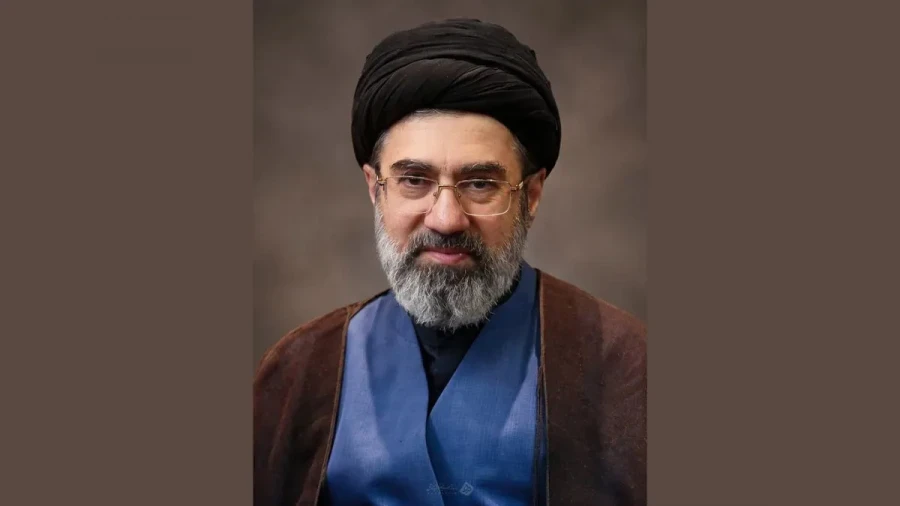
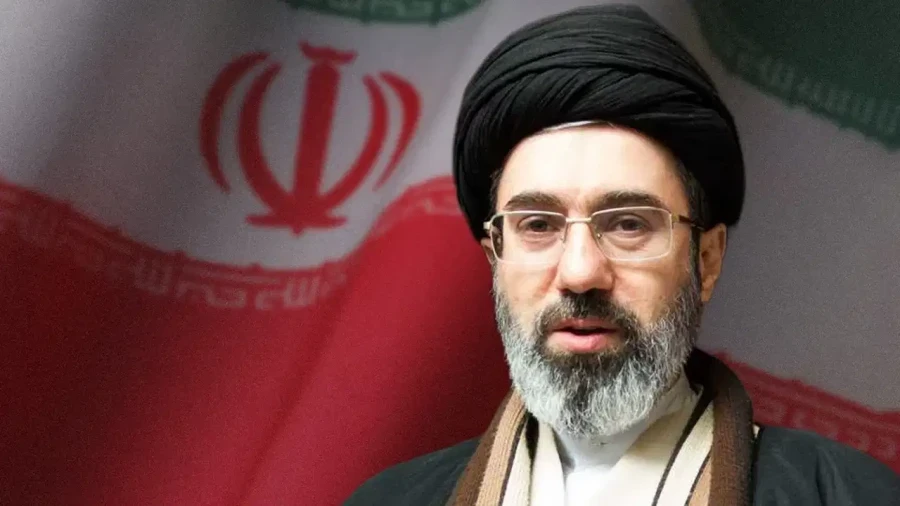
In a significant development reflecting the heightened tensions in the Middle East, Iran's current Supreme Leader, Mojtaba Khamenei, has decided not to attend the funeral ceremonies of his father and former Supreme Leader, Ali Khamenei. This decision is rooted deeply in severe security concerns and direct threats to his life. The information regarding this absence was confirmed by Ayatollah Hakim Elahi, the representative of Iran's Supreme Leader in India. According to Elahi, the decision was made after evaluating the risks posed by Israeli surveillance and the explicit threats issued by the Israeli leadership, making Mojtaba Khamenei's public appearance at the funeral unsafe during this volatile period.
Israeli Assassination Threats and the Iranian Response
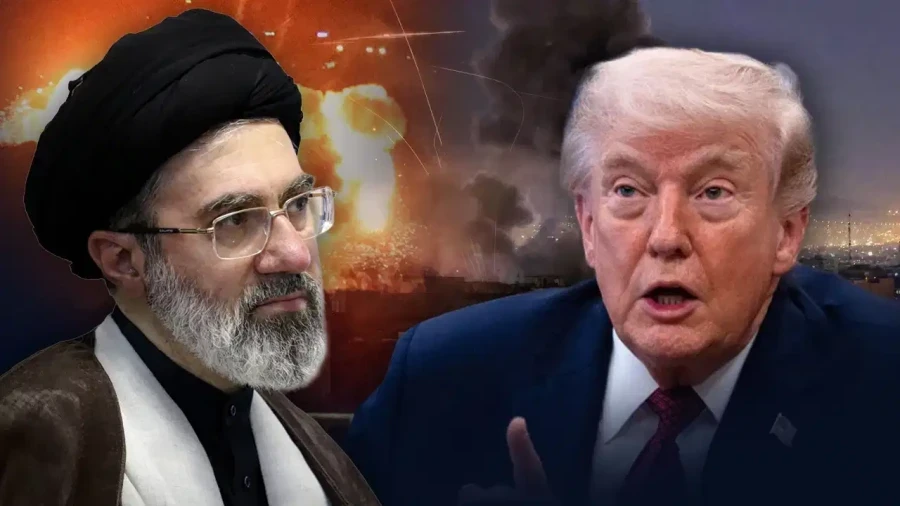
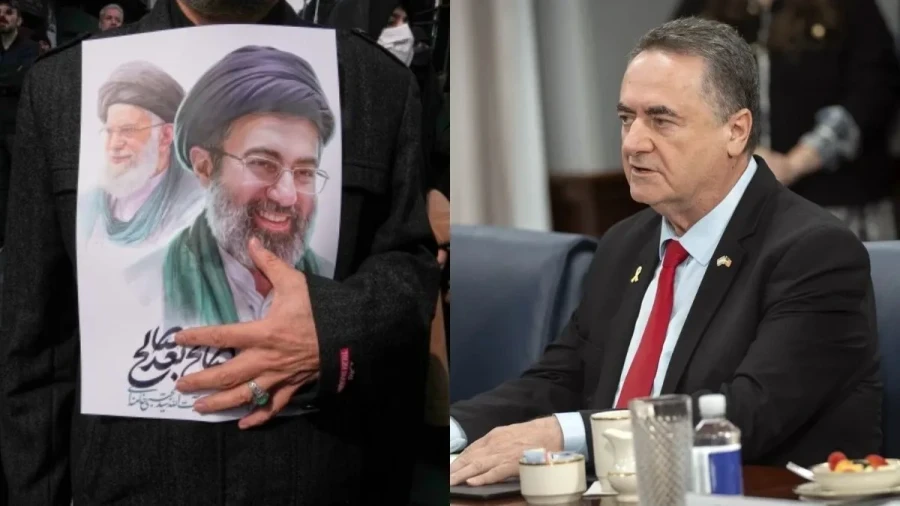
The security situation escalated following provocative statements from Israeli officials. Israeli Defense Minister Israel Katz reportedly stated on Monday that Mojtaba Khamenei is a direct target for assassination. Katz described the Iranian leadership as "good merchants" who attempt to gain concessions during negotiations but reiterated that Israel wouldn't allow Iran to develop nuclear weapons. He suggested that while a diplomatic agreement would be preferable, the military option remains on the table, specifically naming Mojtaba Khamenei as being on the "death target" list. This public declaration has forced the Iranian security apparatus to take unprecedented measures to protect their leader.
In response to these provocations, Iranian Foreign Minister Sayyid Abbas Araghchi issued a stern warning to the United States on Wednesday. S. President Donald Trump via the social media platform X, Araghchi urged the American administration to exercise control over its ally, Israel. Araghchi emphasized that the terms of the Islamabad Memorandum of Understanding (MoU) are clear and public. S. " Araghchi made it clear that any threat against the Iranian people or their leadership would meet an immediate and severe response from the Iranian military forces.
Diplomatic Efforts and the Islamabad MoU Progress
The backdrop of this tension includes ongoing diplomatic efforts aimed at de-escalation. On July 1, representatives from Qatar and Pakistan held separate meetings in Doha with officials from the United States and Iran. These discussions reportedly showed positive progress regarding the 14 point MoU. Majid Al Ansari, the advisor to the Prime Minister of Qatar and the official spokesperson for the Ministry of Foreign Affairs, shared on X that all parties have agreed to continue the dialogue. He noted that the schedule for the next meeting would be finalized once the funeral proceedings for the former Iranian Supreme Leader are completed, indicating that diplomatic channels remain open despite the threats.
Funeral Schedule and Context of Ali Khamenei's Death
The funeral ceremonies for Ali Khamenei are scheduled to take place from July 4 to July 9. These events will be held across various locations in both Iran and Iraq, allowing for widespread mourning among the followers. According to Iranian officials, Ali Khamenei passed away on February 28. His death occurred during an airstrike on the first day of the conflict involving the United States, Israel, and Iran. The decision for Mojtaba Khamenei to remain in a secure location during these five days of ceremonies highlights the extreme volatility of the current geopolitical climate and the perceived direct threat from Israeli intelligence and military operations. The Iranian government has prioritized the safety of the current Supreme Leader over his participation in the public mourning of his father.