

- India,
- 29-May-2026 10:15 AM IST


The Reserve Bank of India (RBI) is actively considering the introduction of plastic, specifically polymer-based, banknotes in the country. This significant shift in currency management was a key topic of discussion during the central bank's recent board meetings held in Patna and Mumbai. The move comes as a response to several pressing challenges faced by the current paper-based currency system, including the surging demand for physical cash, the escalating costs associated with printing paper notes, and the relatively short lifespan of traditional banknotes which tend to get soiled or damaged quickly. To test the feasibility of this transition, the RBI is expected to launch a pilot project for plastic notes for the general public in the near future.
Rising Costs of Printing Paper Currency
One of the primary drivers behind this potential shift is the massive expenditure involved in maintaining the nation's paper currency. 8 crore rupees. 4 crore rupees spent in the previous financial year. Sources familiar with the matter indicate that this rise in costs is largely attributed to the growing demand for banknotes across the country, while experts suggest that while the initial setup might be different, printing plastic notes is more cost-effective in the long run due to their extended durability. Also, India's banking infrastructure has evolved Notably; modern ATMs are now advanced enough to recognize and dispense polymer notes without requiring major hardware overhauls.
Addressing the Problem of Soiled and Damaged Notes
The issue of soiled, torn, and mutilated notes has long been a logistical hurdle for the RBI. Managing and destroying these unusable notes is a massive task. 8 billion soiled notes from circulation. 24 billion notes removed in the preceding year. Among the withdrawn currency, the 500 rupee denomination was the most prominent, followed by 100 rupee notes. Despite the rapid growth of digital payments in India, the preference for cash remains high. 5% year-on-year growth. Since plastic notes last Notably longer than paper ones, their introduction would drastically reduce the pressure on the RBI to frequently print and replace damaged currency.
Focus on Small Denominations and Historical Context
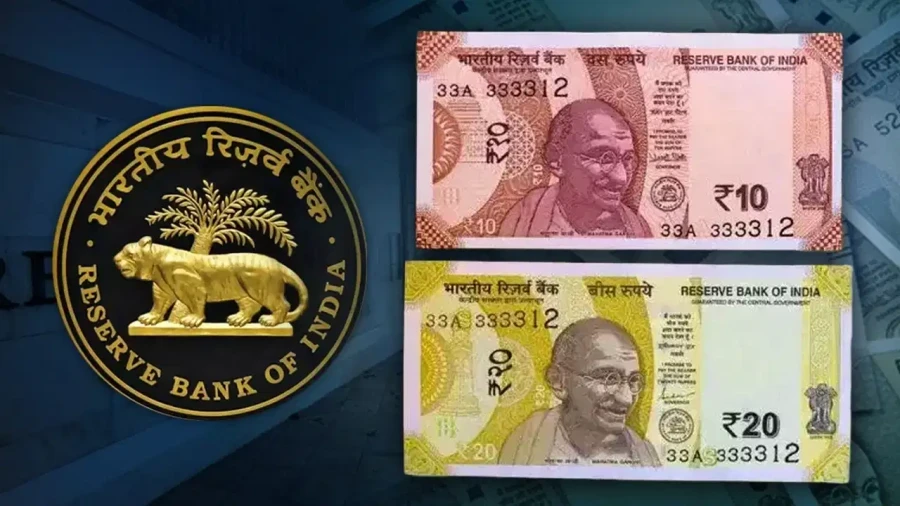
The RBI is also focusing on the high demand for smaller denominations like 10 and 20 rupee notes. Although these smaller notes account for less than 1% of the total value of currency in circulation, they're used extensively in daily transactions. Previous attempts to increase the usage of coins to replace these small notes didn't yield the desired results. Interestingly, this isn't the first time India has explored plastic currency. In 2012, the then-government initiated a field trial of 1 billion plastic notes of 10 rupee denomination across five cities. The goal was to enhance the lifespan of the notes, but the project faced technical hurdles at the time. However, a decade later, technological advancements have addressed those previous barriers, making the current environment more conducive for a successful rollout.
Global Adoption of Polymer Banknotes
The concept of plastic currency is well-established globally, with approximately 60 countries currently utilizing polymer banknotes. Australia pioneered this movement in 1988 by issuing a 10 dollar polymer note. Since then, several nations including Singapore, Indonesia, Thailand, and Malaysia have adopted the technology. In Europe, Romania became the first to introduce plastic notes in 1998, while Canada integrated them into its financial system in 2011. It's worth noting that while the United States dollar is highly durable, it isn't entirely plastic; instead, it's made from a unique blend of cotton and linen. The RBI's move would align India with these global standards, ensuring a more solid and cleaner currency system.
