
- India,
- 21-Aug-2026 08:52 AM IST



The Reserve Bank of India (RBI) has signaled a potential shift in its monetary policy stance, suggesting that loan EMIs could see an upward trajectory in the coming months. According to the minutes of the Monetary Policy Committee (MPC) meeting held in August, policymakers are closely monitoring the risks associated with rising food and fuel prices. If these inflationary pressures become broad-based, the central bank may consider raising the policy repo rate during the third quarter of the current fiscal year. This development comes at a time when the global economic environment remains volatile, and domestic factors such as an erratic monsoon and geopolitical tensions in West Asia continue to pose significant challenges to price stability.
Inflation Risks and Policy Response
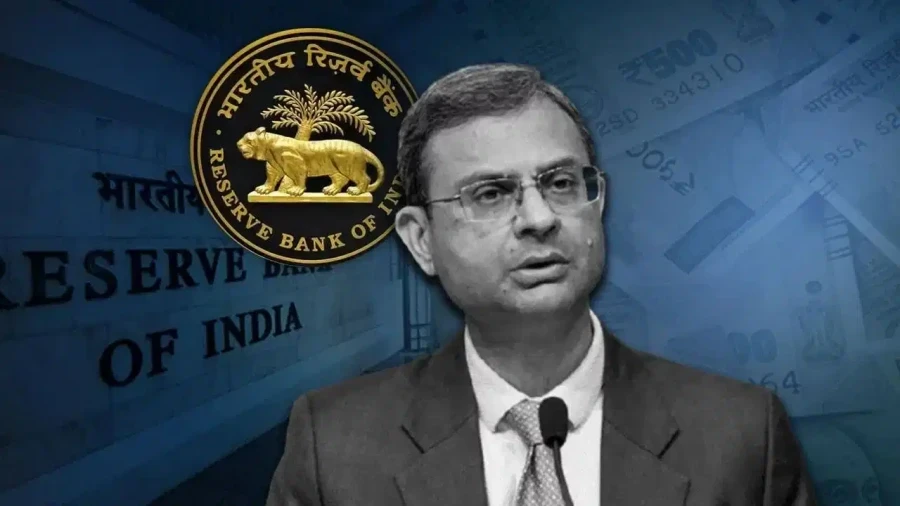
During the meeting conducted between August 3 and August 5, RBI Governor Sanjay Malhotra emphasized the need for heightened vigilance. He pointed out that the increasing costs of food, fuel, and other essential inputs could lead to a spillover effect, causing inflation to become unanchored. 25 percent during this specific meeting, the Governor made it clear that any evidence of these risks materializing would necessitate a tightening of monetary policy. This implies that the era of stable interest rates might be nearing an end if inflationary trends don't subside. The Governor noted that while there was no immediate evidence of overheating as of June, the potential for a sudden spike remains a concern due to supply-side shocks.
Projections and Economic Indicators
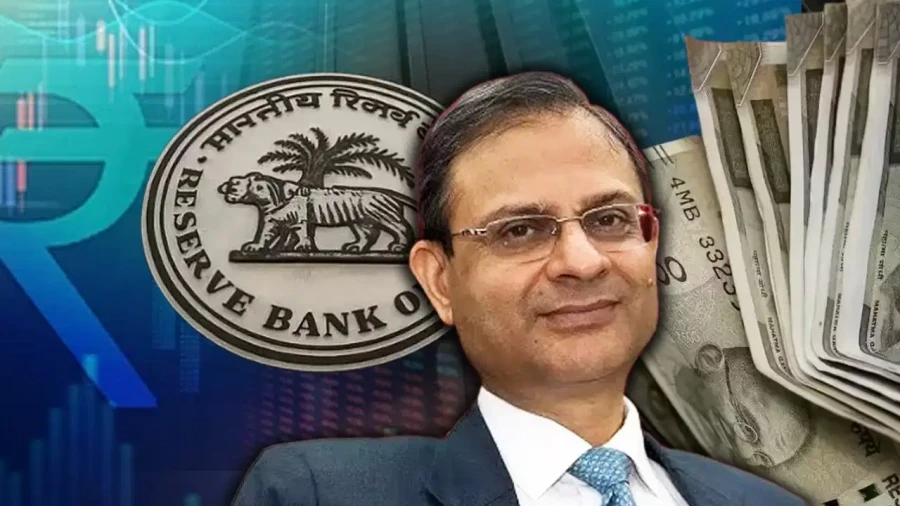
Deputy Governor Poonam Gupta shared similar concerns regarding the inflation trajectory. 9 percent in the third quarter of 2026-27. Given this high projection, she suggested that rate hikes might be necessary during the year to keep price rise within check. The headline inflation, measured by the Consumer Price Index (CPI), is estimated at 5 percent for the financial year 2027.5 percent. 3 percent for the financial year 2027.
Rising Inflation Trends
Governor Malhotra further explained that monetary policy intervention becomes necessary in the event of supply-side shocks if there are signs of inflation becoming broad-based or if inflation expectations become unanchored, while 5 percent in July. 25 percent, the average inflation was only 2 percent. 93 percent. 3 percent in 2026-27, the central bank sees a clear signal for a potential change in the policy rate.
Factors Driving Inflation
The MPC decided to maintain a neutral stance to allow flexibility for either increasing or decreasing the policy rate as per the situation. External member Saugata Bhattacharya pointed out that persistently high fuel prices could lead to 'second-round' inflation, as increased input costs eventually impact consumer prices, while this creates a significant risk of inflation spreading across various sectors. On top of that, high inflation expectations among households continue to exert pressure on the economy. The central bank also observed that the volatile global economic environment, including conflicts in West Asia, fluctuations in oil prices, and weak fiscal positions in major economies, poses risks to the domestic outlook, while external member Nagesh Kumar specifically mentioned that concerns regarding the West Asia conflict and the potential blockade of the Strait of Hormuz have not yet subsided, adding to the overall economic uncertainty.