
- India,
- 21-May-2026 01:51 PM IST



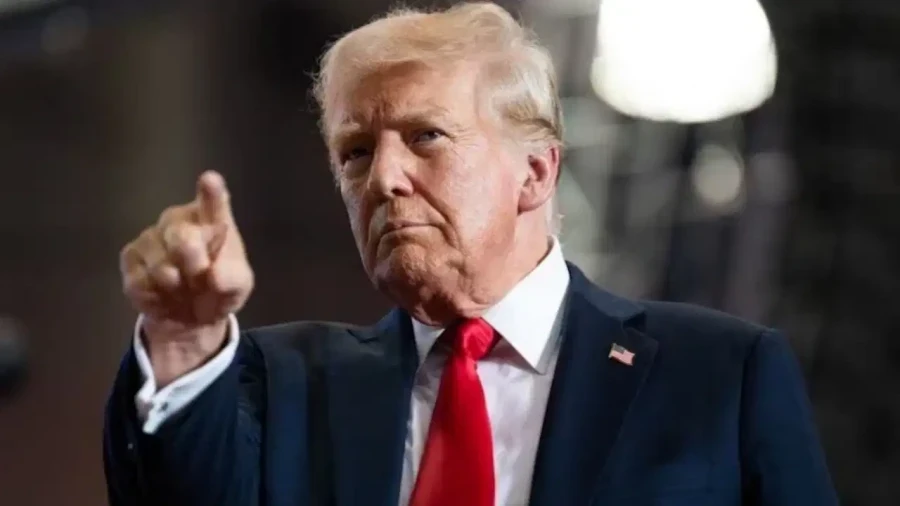
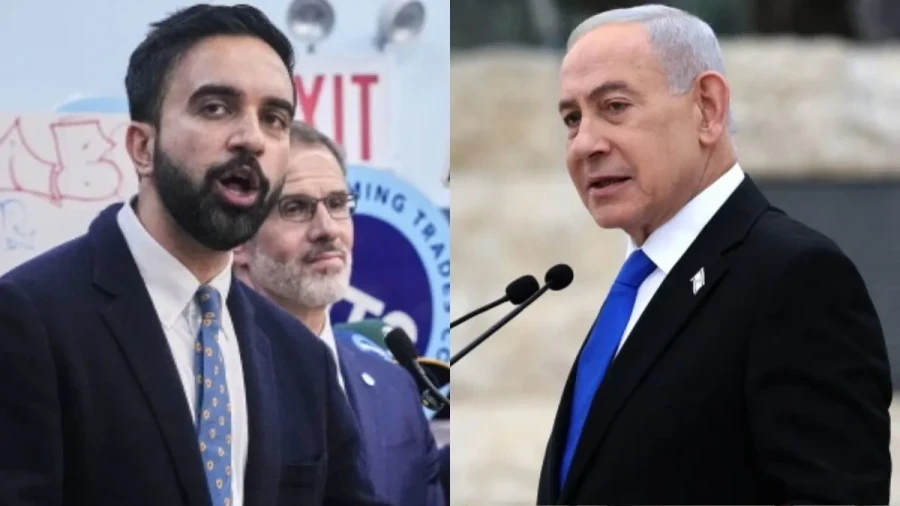
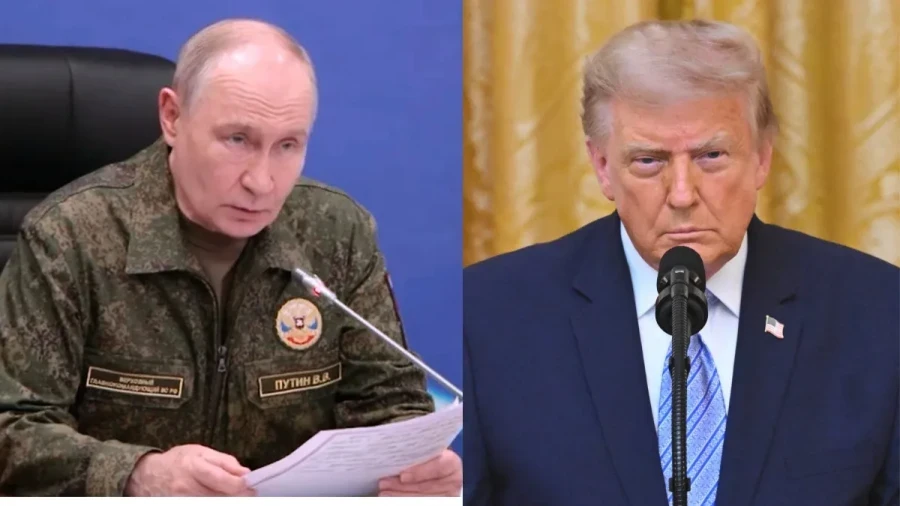
In a significant diplomatic friction, a heated exchange has been reported between Israeli Prime Minister Benjamin Netanyahu and United States President Donald Trump. The confrontation occurred during a phone conversation on Tuesday, May 19, where the two leaders reportedly expressed strong disagreements over the strategy regarding Iran. The dialogue, which lasted for more than 30 minutes, saw both leaders speaking bluntly to each other as they navigated the complex geopolitical landscape of the Middle East.
The Core of the Conflict
The tension ignited when President Donald Trump informed Prime Minister Netanyahu that mediators, including Qatar and other nations, are currently drafting a proposal aimed at bringing peace to the Middle East. Trump emphasized that the United States is prioritizing a diplomatic route to resolve the ongoing tensions. However, this approach was met with immediate and fierce opposition from Netanyahu. The Israeli Prime Minister reportedly lost his temper, arguing that negotiations with Iran are destined to fail and that military action is the only viable solution to the threat posed by Tehran.
According to reports from Axios, Netanyahu expressed deep skepticism regarding Iran's intentions. He told Trump that Iran can't be trusted and is deliberately wasting time through diplomatic channels to regroup and prepare for further conflict, while netanyahu's stance was firm: "Wars don't happen repeatedly," he reportedly told the American President, suggesting that the current window for action must not be missed.
Trump's Broader Perspective
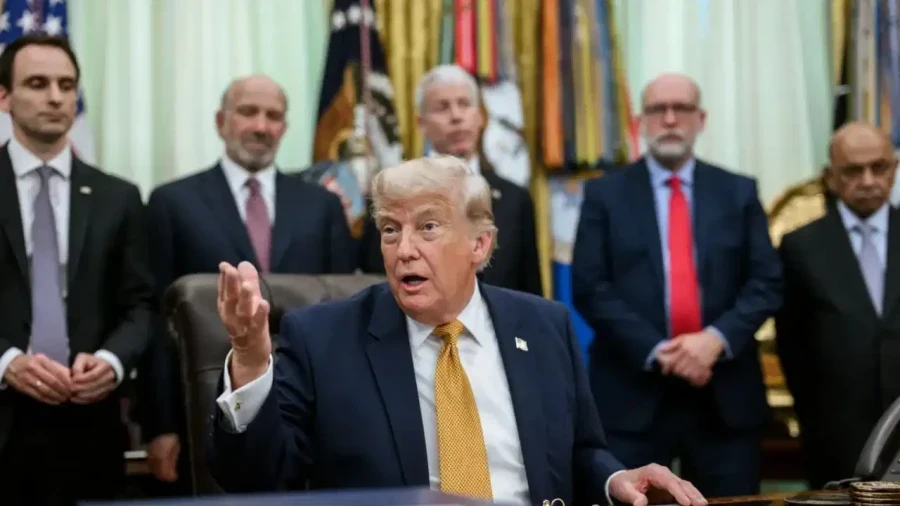
President Trump, however, maintained a broader view of the regional situation. He countered Netanyahu's arguments by stating that Israel isn't the sole priority for the United States in the Middle East. Trump revealed that he has been in contact with other neighboring countries in the region, all of whom have expressed a desire for a peaceful resolution through dialogue. "There is also a world of diplomacy, and it takes time," Trump reportedly told Netanyahu, reinforcing his commitment to the negotiation process.
White House sources cited by Axios indicated that Trump informed Netanyahu about a specific document being prepared by Qatar and other intermediaries. This document is intended to be signed by both the United States and Iran to formally end the hostilities. The prospect of such an agreement reportedly left the Israeli Prime Minister in a state of significant anger following the conclusion of the call.
Why Netanyahu is Pushing for War
The source text highlights three primary reasons behind Netanyahu's aggressive stance. Firstly, there is a perception that the terms being discussed between the US and Iran might favor Tehran. In the context of the Middle East, a strengthened Islamic Republic is seen as a direct threat to the security of Tel Aviv, causing significant concern within the Israeli leadership.
Secondly, Netanyahu is facing intense pressure within Israel's domestic political arena. Opposition leaders have united against him, with figures like Naftali Bennett consistently criticizing his handling of the conflict. By initiating a decisive military action against Iran, Netanyahu may be seeking to consolidate his power and regain popularity among the Israeli public.
Thirdly, the Israeli leadership believes that the current moment presents a unique opportunity that may not arise again. With reports suggesting that Iran's top leadership is either incapacitated or disconnected from the populace, and its military facing internal struggles, Netanyahu views this as a critical time to strike. He appears determined to turn this perceived crisis into a strategic opportunity for Israel's long-term security.