
- India,
- 17-May-2026 09:57 PM IST



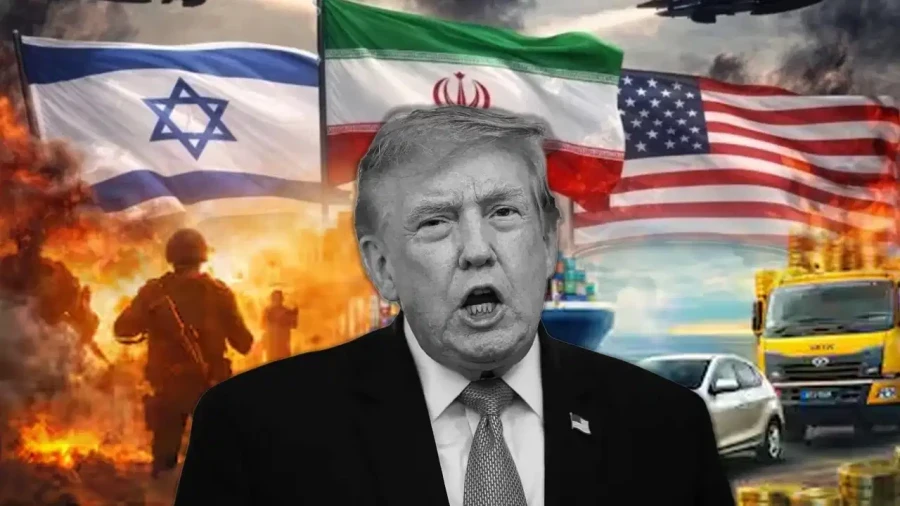
President Donald Trump has found himself in a complex geopolitical situation regarding Iran, leading him to adopt a strategy reminiscent of former President Richard Nixon. Just as Nixon turned to China while the United States was embroiled in the Vietnam War, Trump has looked toward Beijing to help manage the escalating tensions with Iran. However, the historical parallels face a starkly different reality today. During Nixon's era, China faced significant internal and external pressures, including disputes with neighbors like India, the Soviet Union, Japan, and South Korea. At that time, China desperately needed technology and capital investment, which led Supreme Leader Mao Zedong to prioritize relations with Washington, even suggesting that China could set aside the Taiwan issue for 100 years. Today, China stands in a position of strength, with no such compulsions to yield to American demands.
The Shadow of the Vietnam War and Nixon's Legacy
The comparison between the current Iran crisis and the Vietnam War highlights the desperation in modern American diplomacy. Trump's attempt to use China as a lever against Iran comes at a time when Tehran refuses to back down, insisting on its own terms for any potential agreement. While Nixon successfully navigated the complexities of the 1970s because China was isolated and economically fragile, Trump faces a global superpower. The strategic landscape has shifted entirely; China is no longer the junior partner seeking recognition but a formidable rival capable of standing firm against US pressure, while this shift was palpable during Trump's recent high-stakes visit to Beijing, where the power dynamics were on full display.
A Silent Encounter at the Temple of Heaven
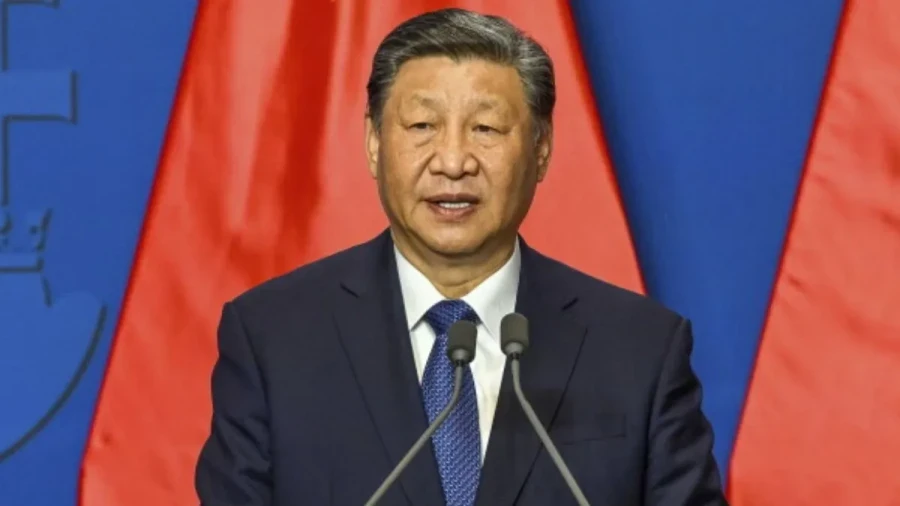
On the second day of his visit, President Trump was taken by President Xi Jinping to the historic Dongcheng District of old Beijing. They visited the Temple of Heaven, a 600 year old architectural marvel built during the Ming and Qing dynasties. Historically, Chinese emperors visited this site to pray for the sovereignty and prosperity of their empire. As Trump stood before the temple for photographs, he was confronted by the most sensitive issue in US-China relations: Taiwan, while when a journalist asked a question regarding Taiwan, a topic China considers a direct threat to its sovereignty, Trump chose to remain silent. This silence was uncharacteristic for a leader known for his vocal responses, highlighting the immense pressure and the delicate nature of the discussions happening behind closed doors.
High-Stakes Negotiations at the Great Hall of the People
Following the visit to the temple, the leaders moved to the Great Hall of the People for a formal meeting that lasted 2 hours 15 minutes. During this session, the Taiwan issue was addressed directly. President Xi Jinping adopted a stern tone, warning Trump that any mishandling of sensitive issues could lead to dangerous consequences, while this sentiment was echoed during a state dinner, where Xi reminded Trump that both nations must act with wisdom on regional and global issues to avoid significant disruptions. The underlying message was clear: China wouldn't compromise on its core interests, regardless of the broader diplomatic agenda involving Iran.
The 11 billion 100 million Dollar Arms Deal and Military Drills
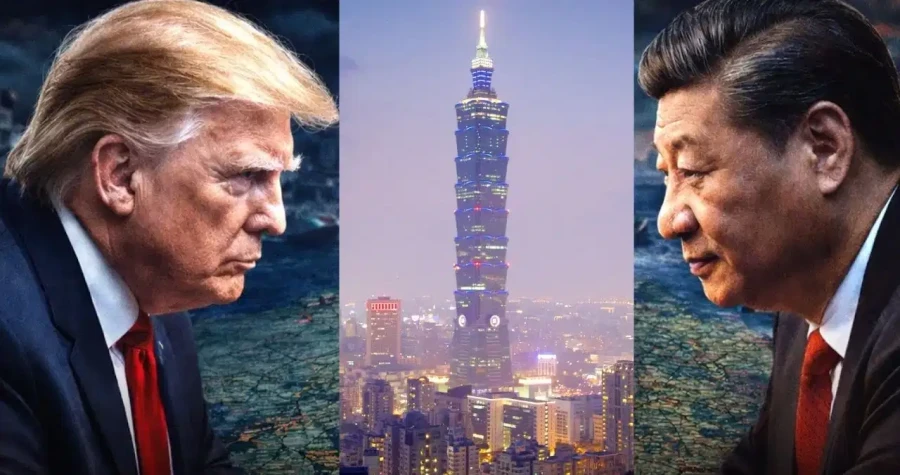
The tension surrounding Taiwan was fueled by a significant decision made on December 18 2025. On that day, President Trump approved a massive 11 billion 100 million dollar arms sale to Taiwan, a move that delighted the US defense industry but infuriated Beijing. Chinese Foreign Ministry spokesperson Guo Jiakun warned that the US was playing with fire, while within 12 days of the announcement, China's Eastern Theater Command launched live-fire drills in the Taiwan Strait. While the military exercises were focused on Taiwan, the strategic message was aimed squarely at Washington, demonstrating China's capability to counter American-made weaponry.
The Future of US-China Relations
As the visit concluded, the divide between the two nations remained sharp, while china's Taiwan Affairs spokesperson, Zhang Han, issued a blunt warning, stating that China would crush any separatist movements and reiterating the "One China" policy. The message to Trump was an ultimatum: the US must choose between its relationship with Taiwan and its strategic partnership with China. In response, US Secretary of State Marco Rubio maintained a firm stance, indicating that the American position wouldn't change. This standoff suggests a future of continued friction, as Trump's attempt to replicate Nixon's success is met with a China that's no longer willing to wait 100 years to assert its dominance.