
- India,
- 21-May-2026 07:00 PM IST



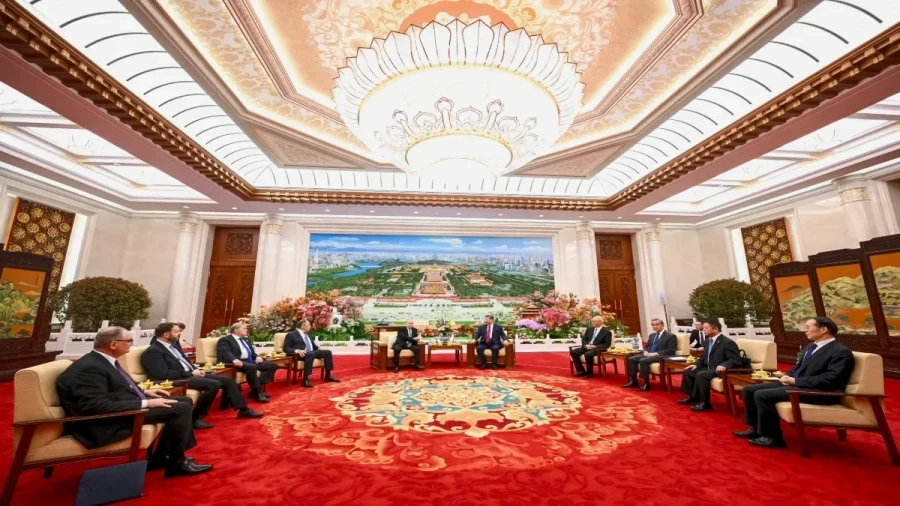
China has established a unique and powerful identity on the global stage, making it a central hub for international diplomacy. This growing influence was recently highlighted when US President Donald Trump traveled to Beijing with a high-level delegation to meet with President Xi Jinping. Shortly after Trump's departure, Russian President Vladimir Putin also arrived in the Chinese capital. The back-to-back visits of these two world leaders to meet Xi Jinping are significant in many ways, reflecting a shift in global power dynamics where China's influence is increasingly unavoidable.
Trump's Visit and the Taiwan Standoff
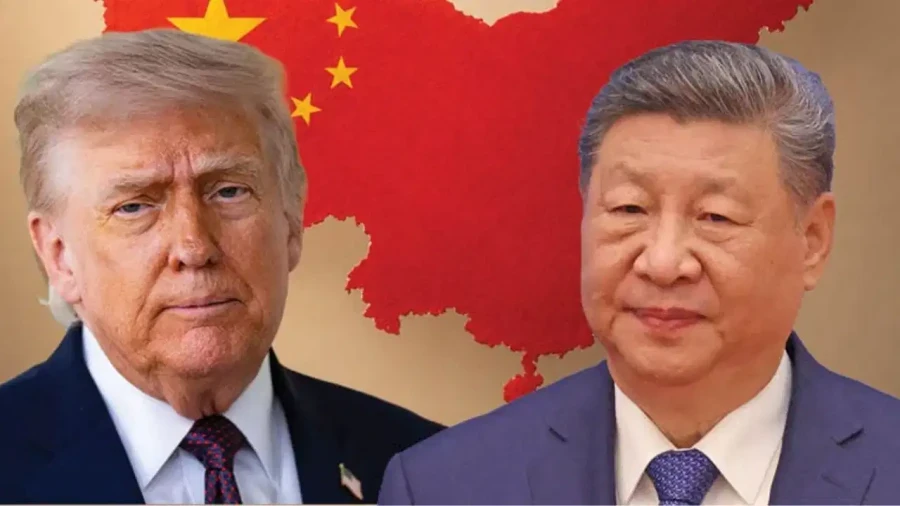
Donald Trump arrived in China with high expectations, accompanied by a team of his most trusted advisors, while upon his arrival, he was greeted by the Vice President of China and received a formal red-carpet welcome. The meeting between Trump and Xi Jinping was closely watched by the international community, as the US President hoped to secure several key concessions. However, China took a firm stand that reportedly dampened American ambitions. Specifically, China made it clear beforehand that it was unwilling to discuss the issue of Taiwan, a stance that served as a significant setback for Trump's diplomatic agenda.
Trade Relations and Economic Leverage
The economic relationship between the US and China remains the largest and most complex in the world. During the visit, the issue of tariffs was raised, but China remained unfazed by Trump's threats. The US relies heavily on China for billions of dollars worth of consumer products, electronics, machinery, and industrial components. Plus, China holds a dominant position in the mining and processing of rare earth minerals. These minerals are essential for the production of smartphones, electric vehicles, and advanced defense equipment. This strategic control over vital resources ensures that China remains resilient against various US-imposed restrictions and sanctions.
Geopolitical Challenges and the Strait of Hormuz
The discussions also touched upon Middle Eastern tensions. Having initiated actions against Iran, the United States is now seeking a way to exit the conflict, while in this context, Trump reportedly requested China's assistance in persuading Iran to keep the Strait of Hormuz open. While China expressed a level of agreement, the strait remains a point of contention. Interestingly, while the route remains restricted for American interests, Chinese vessels continue to navigate through the Strait of Hormuz, showcasing China's unique diplomatic use in the region.
The Strategic Partnership with Russia
Following Trump's visit, Russian President Vladimir Putin arrived in Beijing, further cementing the deep-rooted friendship between Russia and China. While Putin was also accorded a red-carpet welcome, Xi Jinping sent a specially designated close associate to receive him, highlighting the personal nature of their bond. The two leaders engage in such meetings almost annually, and this visit resulted in several key agreements. A major highlight was the Siberia-2 project, a massive proposed natural gas pipeline designed to redirect Russian gas from European markets to China and other Asian markets. Although the deal is yet to be finalized, it represents a significant strategic shift.
China's Path to Superpower Status
The camaraderie between Putin and Xi Jinping was evident when Putin recited a poem dedicated to their friendship during their meeting. In a subsequent joint press conference, the tone was one of defiance against Western dominance. Without naming the United States directly, Xi Jinping criticized the concept of global hegemony, effectively challenging the traditional American-led world order. By positioning himself as a leader who is sought after by both the US and Russia, Xi Jinping has demonstrated that China is no longer just a participant in global affairs but is actively carving out a path to becoming the next global superpower.