
- India,
- 03-Jul-2026 08:28 AM IST



The German government is currently working on a comprehensive plan to implement significant changes to workplace regulations and economic policies. Under these proposed reforms, employees in Germany will be required to present a medical certificate from the very first day of their illness if they wish to take sick leave, while this marks a departure from previous practices and is part of a broader effort to streamline labor laws and improve productivity across the nation. In addition to this, the government is considering the introduction of fixed-term contracts for new hires that could last up to 4 years, a provision intended to remain in place until the year 2030. Plus, for high-income earners, the government is looking into providing compensation and arrangement facilities in the event of a layoff, ensuring a structured transition for those in higher salary brackets.
Stricter Rules for Sick Leave and Workplace Efficiency
If you're working in Germany and suddenly fall ill, simply informing your employer via a call or message might no longer be sufficient to secure leave without documentation. The German government is moving towards stricter reforms in workplace attendance and leave policies. The requirement to show a medical certificate from day one is a strategic decision aimed at addressing the competitive disadvantages caused by long-term absences from work. By ensuring that every instance of sick leave is medically verified from the start, the government hopes to maintain a more consistent and productive workforce, thereby strengthening the overall economic output of the country.
The 34-Point Economic Recovery Package
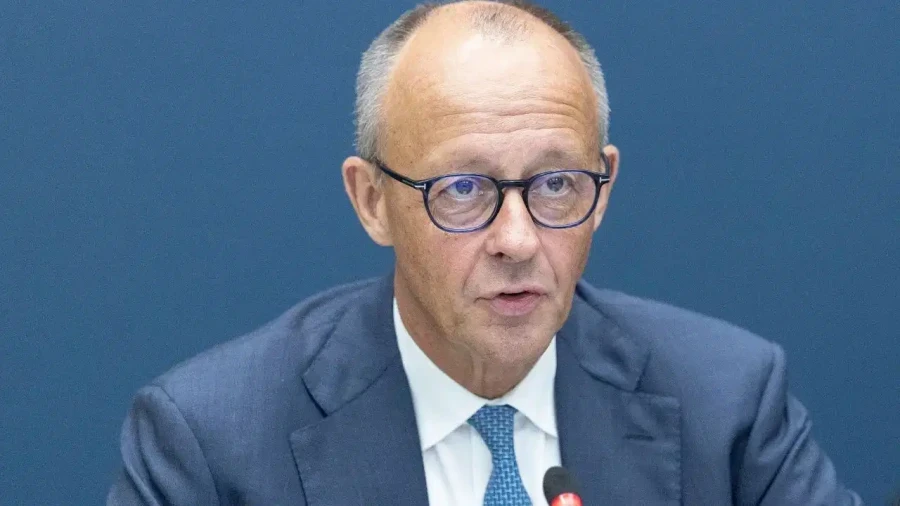
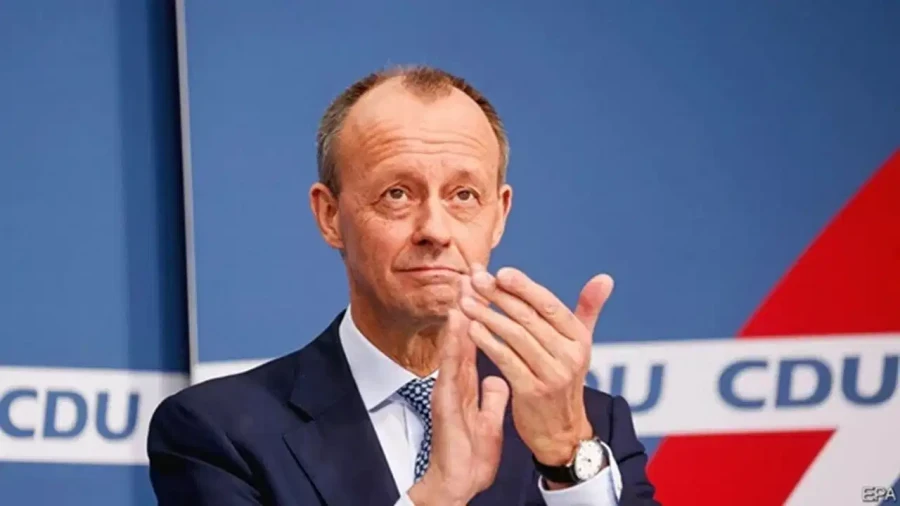
German Chancellor Friedrich Merz has introduced a 34-point package designed to safeguard and revitalize the national economy. This extensive package encompasses reforms in labor, taxation, and the pension system. Chancellor Merz emphasized that the primary goal is to protect the welfare state while reducing the financial burden on both employees and companies through targeted tax cuts. The ruling coalition has reached an agreement on these economic reforms, which are seen as essential for rebuilding the country's struggling economy. The government aims to have the core elements of this 34-point package passed by Parliament by the end of the current year, signaling a sense of urgency in addressing economic stagnation.
Taxation and Pension Adjustments
According to reports from AFP, Chancellor Friedrich Merz stated that the government is focused on increasing business flexibility. 4 billion dollars) cut in income tax. To finance this significant reduction, the government plans to impose higher taxes on individuals who earn more than 250,000 Euro per year. This shift ensures that the financial weight of the reforms is distributed more heavily toward the highest earners, allowing for broader relief for the middle and lower-income segments. Also, the pension system is set for a major overhaul, with the retirement age expected to be increased beyond the current 67 years to ensure the long-term sustainability of the social security framework.
Political Support for Economic Realignment
Lars Klingbeil, Germany's current Finance Minister and Vice Chancellor, has expressed support for these new measures. He noted that the highest earners in the country will bear a larger share of the tax burden under this plan, which he considers a fair approach to national recovery. Klingbeil believes that such steps are necessary for the country to move forward and for the economy to return to a stable growth trajectory. By balancing tax relief for the majority with increased contributions from the wealthy, the government seeks to create a more resilient and competitive economic environment for the future, ensuring that Germany remains a leading global economic power.