
- India,
- 01-Jun-2026 05:03 PM IST



The arrival of the monsoon in India is currently facing a delay, causing concern across the country. Although the India Meteorological Department (IMD) had initially predicted that the monsoon would reach the coast of Kerala by May 26, it has yet to make its official entry. The primary reason cited for this delay is the extremely low speed of westerly winds over the Arabian Sea. This lack of momentum in the wind patterns is preventing the formal start of the monsoon season in the Indian subcontinent.
The Reality Behind Recent Rains
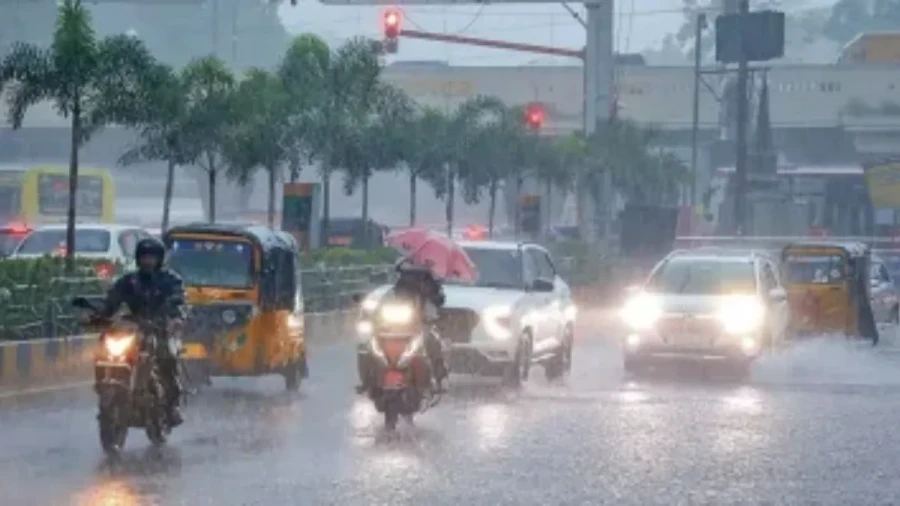
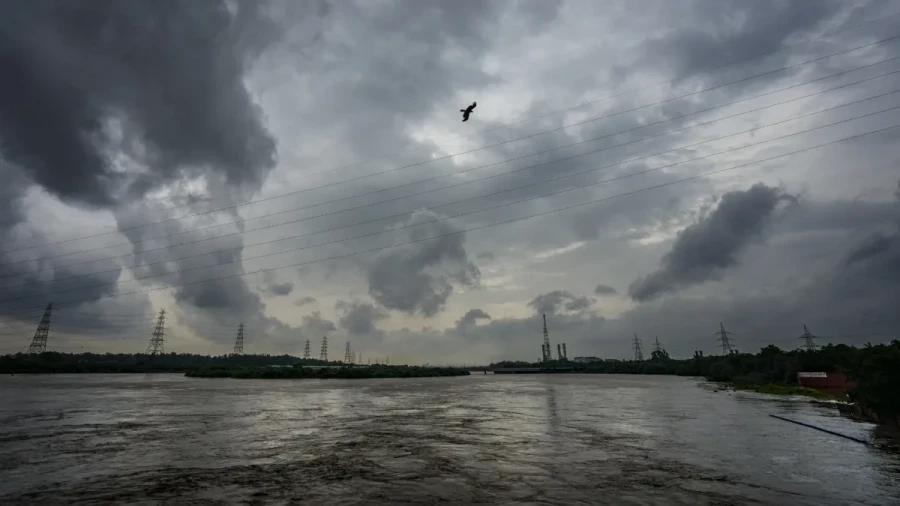
In the last three days, several parts of the country, including the capital city of Delhi, have experienced rainfall. This led to widespread speculation that the monsoon had already begun its journey across India. However, the reality is quite different. This year, the monsoon is running behind its usual schedule and has not yet touched the Kerala coast, while the intense heat experienced across the country during the month of May led to the formation of a heat dome over North India. This phenomenon caused water from the earth's surface to evaporate rapidly and rise, forming clouds that are now resulting in localized showers. While these rains have provided much-needed relief from the scorching heat, they aren't classified as monsoon rains.
Understanding the Monsoon Phenomenon
The monsoon is defined as the period when westerly winds carry moisture from the Arabian Sea to the landmass of India, resulting in widespread rainfall across the nation. This cycle typically lasts for about four months, while the journey of the monsoon traditionally begins in Kerala. Usually, within one month of reaching Kerala, the monsoon spreads across the entire country, bringing heavy rains to every region, while however, the current atmospheric conditions have stalled this progression.
How IMD Declares the Onset of Monsoon
The IMD follows a strict set of three conditions that must be met simultaneously before officially announcing the arrival of the monsoon. Currently, while Kerala is experiencing some rain and there is sufficient cloud cover, the speed of the westerly winds remains very slow. Due to this missing factor, the weather department has not yet made an official declaration regarding the monsoon's arrival.
Timeline of Changing Dates
The weather department has revised the expected arrival date of the monsoon three times. In the first update, the IMD stated that the monsoon would reach Kerala by May 26. This was later pushed to May 28, and subsequently to June 1. Now, the IMD suggests there is no possibility of the monsoon arriving before June 3. Many experts believe there could be further delays, while however, if the monsoon reaches Kerala by June 8, it isn't technically considered late. Following the Kerala onset, the sequence of continuous rain begins in other parts of the country, usually covering the entire nation by the first week of July.
Impact of the Bay of Bengal Cyclone
A cyclone formed in the Bay of Bengal has caused rainfall in the eastern parts of the country and triggered strong winds in states like Uttar Pradesh and Rajasthan, while paradoxically, this cyclone is contributing to the weakening of the westerly winds required for the monsoon. As the monsoon faces delays, the threat of El Nino is also becoming more prominent. The IMD had previously estimated 92 percent rainfall this year, which is 8 percent below normal. However, the department has now revised this estimate, stating that there are chances of only 90 percent rainfall. There is hope that westerly winds will gain strength from June 1, which could lead to the monsoon reaching Kerala in the following two to three days.
The Growing Threat of El Nino
Meteorologists and agencies from the United States to India have claimed a high probability of El Nino forming this year. The effects of El Nino are expected to be visible between September 2026 and February 2027. El Nino is a condition where the water in the Pacific Ocean becomes warmer than usual, which typically leads to reduced rainfall in India. This specifically impacts rainfall in August, September, and November. It also affects winter rains, known as Mavtha, which may not occur. Since a large portion of the Indian population is involved in agriculture and over 50 percent of farmers depend on monsoon rains, the combination of a delayed monsoon and strengthening El Nino conditions is a major cause for concern.