
- India,
- 01-Jul-2026 11:46 AM IST



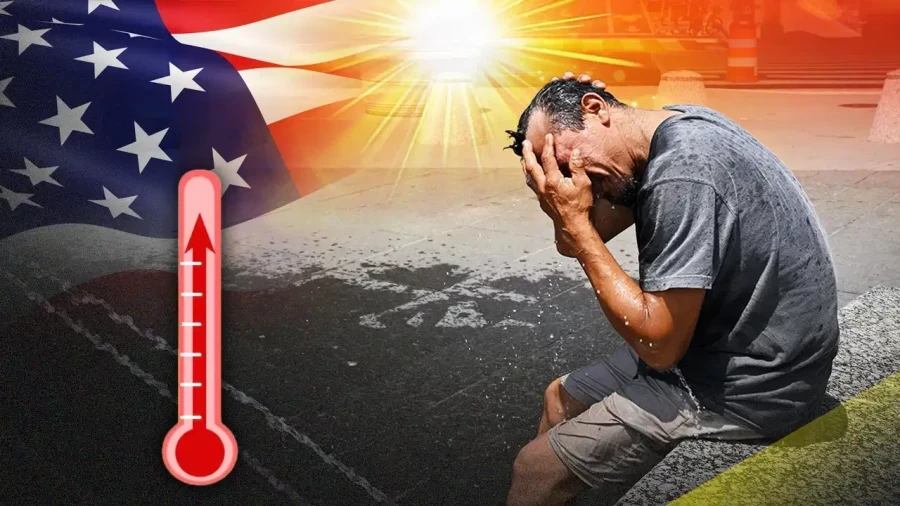
The United States is bracing for a dangerous and potentially life-threatening heatwave this week, which is expected to cast a shadow over the upcoming July 4th celebrations. As the nation prepares to commemorate its Independence Day, the National Weather Service (NWS) has issued stern warnings regarding a massive heat dome that will settle over a significant portion of the country. 6 degrees Celsius in several regions. The timing of this heatwave is particularly concerning as it coincides with the national holiday, a time when millions of Americans typically engage in outdoor festivities, parades, and gatherings to celebrate the country's independence from Britain in 1776.
National Weather Service Issues Critical Alerts
The National Weather Service (NWS) has highlighted that a large part of the United States will experience an intense heatwave characterized by high temperatures and oppressive humidity. According to the NWS, the combination of heat and moisture will make the air feel Importantly hotter than the actual thermometer reading. One of the most dangerous aspects of this weather pattern is the lack of relief at night. The NWS noted that nighttime temperatures will remain high, making it difficult for people to breathe and for their bodies to cool down after the daytime heat. This persistent warmth throughout the 24-hour cycle increases the risk of heat-related illnesses, especially for those without access to adequate cooling systems.
Geographical Spread and Temperature Projections
The heatwave is expected to cover a vast area, stretching from the East Coast to the central parts of the country. In Canada, the heat has already begun to intensify, with parts of Ontario expected to see temperatures rising to 37 degrees Celsius. Within the United States, the peak of the heat is anticipated to hit the Midwest and the Mississippi Valley by Thursday, while as the holiday weekend progresses, the heat will move further into the Ohio Valley and along the East Coast. 6 degrees Celsius. When factoring in the high humidity levels, the heat index—which measures how hot it actually feels—could soar to between 100 and 115 degrees Fahrenheit, or approximately 38 to 46 degrees Celsius. Such levels are considered extremely dangerous for outdoor activities.
Emergency Measures in Major Cities
In response to the looming crisis, major urban centers are taking proactive steps to protect their residents. In New York City, Mayor Zohran Mamdani has already initiated an emergency plan to combat the heat. This plan includes the opening of hundreds of cooling centers across the city's five boroughs to provide a safe haven for those who don't have air conditioning at home, while similarly, in Detroit, where temperatures are expected to hit 38 degrees Celsius, local authorities have opened several entertainment centers equipped with air conditioning to help the public stay cool. Officials are urging citizens to stay hydrated, avoid direct sunlight during peak hours, and check on vulnerable neighbors and family members.
The Global Context: Devastation in Europe
The current situation in the United States follows a period of catastrophic heat in Europe, where records were shattered across multiple countries. Even nations typically known for cooler climates saw the mercury rise to between 40 and 42 degrees Celsius. This extreme weather has had a devastating human cost, with more than 1300 deaths reported across the continent. France has been hit the hardest, accounting for 1000 of those fatalities. The majority of the victims have been elderly individuals aged 65 and older, who are more susceptible to the physical strain caused by extreme heat. Scientists have pointed to climate change and the influence of El Niño as the primary drivers behind these increasingly frequent and severe heatwaves, which continue to disrupt lives and ecosystems globally.