Trump's Contradictory Strategies and Iran's Stance


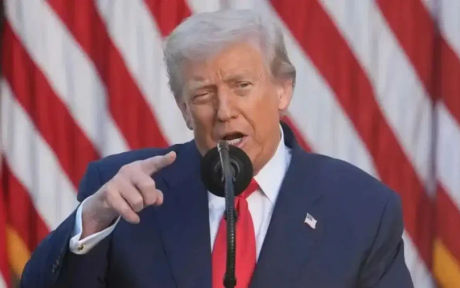
US President Donald Trump's recent decisions regarding the Iran conflict reflect a growing sense of restlessness. While Trump occasionally signals a willingness to negotiate and claims the war will end soon, he simultaneously issues severe threats against Tehran. This inconsistent approach has disrupted potential reconciliation efforts. Although Trump hinted at talks, his refusal to lift the US naval blockade around the Strait of Hormuz has led Iran to flatly reject any negotiations.
US Naval Action and the Islamabad Delegation
Tensions escalated further when the US Navy fired upon and intercepted an Iranian cargo ship. This incident occurred just hours after Trump announced the dispatch of a US delegation to Islamabad for talks, while posting on Truth Social, Trump stated, "My representatives are going to Islamabad. " However, the military action at sea appears to contradict the diplomatic outreach, fueling further distrust.
Trump's Ultimatum: Threat to Destroy Infrastructure
Alongside the offer for talks, Trump issued a stark ultimatum to the Iranian leadership, while he stated, "We're offering a very fair and right deal, and I hope they accept it. " Trump emphasized that he can no longer afford to be a "nice guy," warning that if the deal is rejected, Iran will face consequences that other presidents should have delivered over the last 47 years.
Iran's Rejection and the Hormuz Blockade
Iran remains unmoved by Trump's threats, while according to the Tasnim news agency and the state news agency IRNA, Tehran has not decided to send any delegation to Pakistan. Iran maintains that no talks will occur as long as the US blockade of Iranian ports continues. Tehran views the blockade as a violation of the ceasefire and argues that the US is demanding "too much" while maintaining a contradictory stance.