

- India,
- 22-Mar-2026 12:05 PM IST


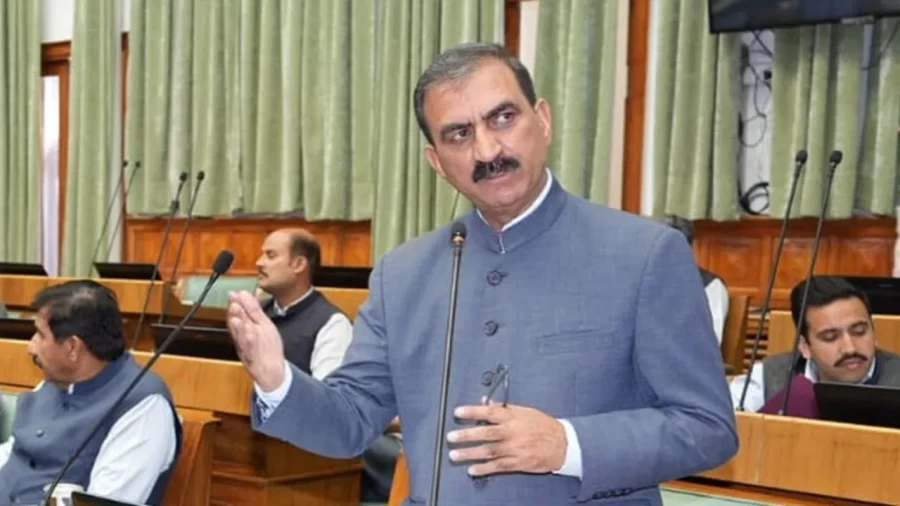
Himachal Pradesh is currently grappling with a significant fiscal challenge, prompting the state government to implement stringent measures to manage its finances, while chief Minister Sukhvinder Singh Sukhu announced a temporary deferment of salaries for the political executive and senior bureaucracy during the presentation of the state budget for the fiscal year 2026-27. The Chief Minister attributed this decision to the cessation of the Revenue Deficit Grant, which has historically been a crucial source of funding for the hill state. This move is intended to alleviate the immediate pressure on the state exchequer while ensuring essential services remain operational.
Specific Deferments for Political Executives
Under the new directive, the Chief Minister has voluntarily opted for a 50% deferment of his salary for the next six months. The Deputy Chief Minister and members of the Cabinet will see a 30% reduction in their monthly payouts during this period. On top of that, all Members of the Legislative Assembly (MLAs) will have 20% of their salaries withheld. The Chief Minister emphasized that these measures are temporary and aimed at ensuring the state can meet its essential financial obligations. The deferment also applies to politically appointed individuals, including chairpersons and vice-chairpersons of boards and corporations, who will face a 20% cut.
Impact on State Bureaucracy and Top Officials
The salary deferment extends beyond the political executive to include high-ranking officials within the state administration. According to the government directive, the Chief Secretary, Additional Chief Secretaries, Principal Secretaries, Director General of Police (DGP), and Additional DGPs will face a 30% salary delay. Other senior officers, including Secretaries, Heads of Departments, and officers of IG, DIG, and SSP ranks, will see a 20% deferment. On top of that, Group A and Group B officers will have 3% of their salaries deferred for the next six months as part of the state's austerity measures.
Exemptions for Lower-Tier Employees
In a move to protect the economically vulnerable sections of the workforce, the state government has exempted Group C and Group D employees from these salary deferments. Chief Minister Sukhu stated that these employees will continue to receive their full salaries without any delays. The government maintains that the burden of the fiscal adjustment should primarily be borne by those in higher income brackets and political positions. This ensures that the day-to-day livelihoods of the majority of the government workforce remain unaffected by the current financial constraints.
Relief Measures and Salary Hikes in Healthcare
Despite the fiscal strain, the state budget includes several relief measures for specific sectors. For medical officers whose services have not yet been regularized, the monthly salary has been increased from ₹33,600 to ₹40,000. The government has also standardized the salaries of staff nurses, lab technicians, pharmacists, and operation theater technicians at ₹25,000. These adjustments are intended to support the healthcare infrastructure and ensure that frontline medical staff are adequately compensated despite the broader economic challenges facing the state.
Support for Daily Wagers and Grassroots Workers
The state government has also announced an increase in the daily wage for laborers by ₹25. On top of that, monthly honorariums for Anganwadi workers, helpers, and ASHAs will see an increase of ₹1,000. Other grassroots workers, including mid-day meal workers, water guards, multi-purpose workers, panchayat chowkidars, and school management teachers, will receive an additional ₹500 per month. The Chief Minister noted that while the state is facing a revenue deficit, it remains committed to supporting those at the grassroots level who provide essential community services.
